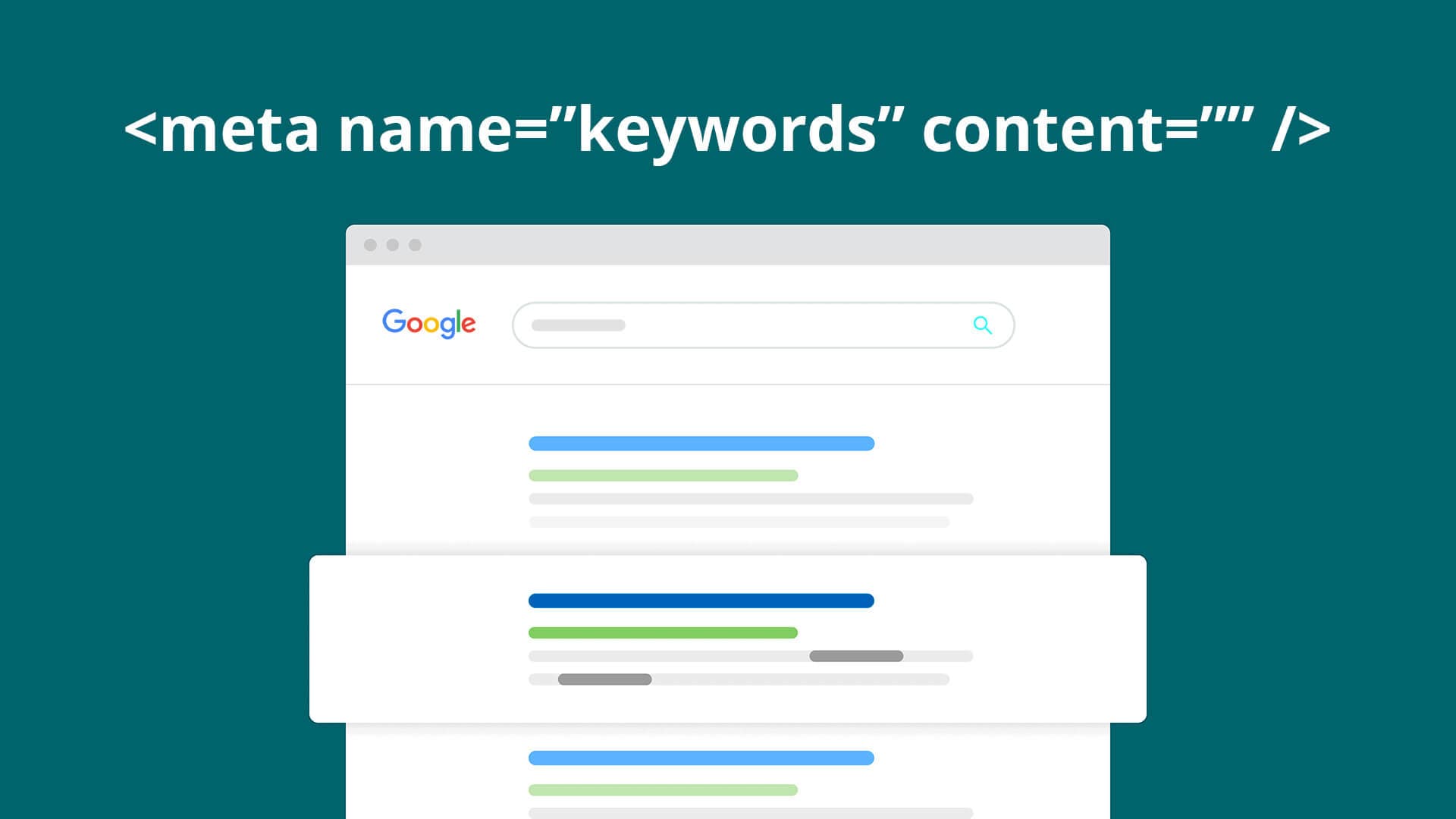
The Complete Guide to Google Keywords Meta: 10 Proven Strategies for 2025 SEO Success
In the rapidly evolving landscape of search engine optimization, unders
In the rapidly evolving landscape of search engine optimization, understanding Google keywords meta has become more crucial than ever for digital success. As Google’s algorithms continue to sophisticate and user search behaviors shift, the strategic implementation of meta keywords and related optimization techniques can make the difference between a website that thrives and one that remains invisible in search results.

Google keywords meta encompasses the intricate relationship between keyword research, meta tag optimization, and Google’s ranking algorithms. This comprehensive approach involves not just identifying the right keywords, but understanding how to strategically place them within your website’s meta elements to maximize visibility and click-through rates. With over 8.5 billion searches conducted on Google daily, mastering these techniques has never been more important for businesses and content creators alike.
Throughout this guide, you’ll discover the fundamental principles of Google keywords meta optimization, learn advanced strategies for 2025, and gain practical insights into tools and techniques that deliver measurable results. Whether you’re a seasoned SEO professional or just beginning your digital marketing journey, these proven methods will help you harness the full potential of Google’s search ecosystem to drive qualified traffic and achieve your online objectives.
Understanding Google Keywords Meta Fundamentals
Featured Partner
Bridgely: Creates automated published blog content for business owners to increase their SEO and…
creates automated published blog content for business owners to increase their SEO and rank higher so they can get more customers and have higher visibility
- Onboard quickly with guided setup and white-glove support.
- Monitor performance, spend, and quality from a single dashboard.
Request a walkthrough in minutes.
Mastering the fundamentals of Google keywords meta requires understanding how modern search engines interpret and prioritize content signals. This foundation encompasses everything from algorithm evolution to semantic search principles, providing the groundwork for effective optimization strategies that drive real results in today’s competitive digital landscape.
The Evolution of Meta Keywords in Google’s Algorithm
Google’s treatment of meta keywords has undergone significant transformation since the early days of search engines. While Google officially stopped using the meta keywords tag as a ranking factor in 2009, the broader concept of Google keywords meta has evolved to encompass a more sophisticated understanding of how search engines interpret and rank content. Today’s approach focuses on semantic search, user intent, and the strategic placement of keywords within various meta elements that Google does consider, including title tags, meta descriptions, and structured data. Studies show that websites implementing modern meta optimization strategies see an average 23% increase in organic click-through rates compared to those using outdated techniques.
Core Components of Modern Meta Optimization
Effective Google keywords meta strategy encompasses several critical elements that work together to improve search visibility. Title tags remain one of the most important ranking factors, with Google using them to understand page content and display compelling headlines in search results. The optimal title tag should include primary keywords naturally while maintaining readability and staying within the 50-60 character limit to prevent truncation. Meta descriptions, while not direct ranking factors, significantly impact click-through rates and user engagement metrics that Google does consider. A well-crafted meta description incorporating relevant keywords can increase organic traffic by up to 30% by encouraging users to click through to your content.
Search Intent and Keyword Context
Understanding search intent has become fundamental to successful Google keywords meta implementation. Google’s algorithms now prioritize content that matches user intent over simple keyword density or exact-match optimization. This means analyzing whether users are seeking informational content, looking to make a purchase, or trying to navigate to a specific website, then optimizing meta elements accordingly. Research indicates that pages optimized for specific search intent achieve 47% higher conversion rates than generic keyword-focused approaches. The context surrounding keywords has also gained importance, with related terms and semantically connected phrases helping Google understand the comprehensive nature of your content.
Advanced Keyword Research for Meta Optimization
Effective keyword research forms the backbone of successful Google keywords meta strategies, requiring sophisticated approaches that go beyond basic keyword tools. This section explores advanced techniques for identifying high-value opportunities, analyzing competitor strategies, and leveraging Google’s native tools to uncover insights that drive measurable improvements in search performance.
Leveraging Google’s Native Tools for Meta Insights
Google Search Console provides invaluable data for refining your Google keywords meta strategy by revealing which queries actually drive traffic to your site. The Performance report shows not only which keywords rank well, but also identifies opportunities where your content appears in search results but receives low click-through rates. This data is particularly valuable for optimizing meta descriptions and title tags to better match user expectations and improve engagement metrics. Websites that regularly analyze Search Console data and adjust their meta elements accordingly see an average 18% improvement in click-through rates within 60 days of implementation.
Competitive Analysis for Meta Tag Excellence
Analyzing competitor meta strategies provides insights into industry best practices and identifies gaps in the market. Tools like SEMrush and Ahrefs reveal which keywords competitors rank for, their title tag formulations, and meta description approaches. This competitive intelligence helps identify high-value keywords that may be underutilized in your current meta optimization strategy. Companies that conduct thorough competitor analysis before optimizing their meta elements achieve 34% better rankings for target keywords compared to those who optimize in isolation. Pay attention to SERP features that appear for your target keywords, as these influence optimal meta tag strategies and affect how users interact with search results.
Long-Tail and Semantic Keyword Integration
Long-tail keywords represent a crucial component of modern Google keywords meta strategy, often delivering higher conversion rates despite lower search volumes. These multi-word phrases typically indicate more specific user intent and face less competition, making them ideal targets for meta optimization. Research shows that long-tail keywords convert 2.5 times better than broad keywords, with conversion rates averaging 36% compared to 14% for generic terms. Incorporate long-tail variations naturally within title tags and meta descriptions to capture these valuable search queries. Semantic keyword research involves identifying terms and phrases that Google associates with your primary keywords, using tools like LSIGraph and Google’s “People Also Ask” sections to reveal related concepts.
| Keyword Type | Search Volume | Competition | Conversion Rate | Meta Tag Strategy |
|---|---|---|---|---|
| Short-tail | High | Very High | Low-Medium | Brand differentiation focus |
| Medium-tail | Medium | Medium | Medium | Balanced approach |
| Long-tail | Low-Medium | Low | High | Specific intent targeting |
| Semantic | Varies | Low-Medium | Medium-High | Context enhancement |
Title Tag Optimization Strategies
Title tags serve as the first impression your content makes in search results, directly influencing both search engine rankings and user click-through decisions. Mastering title tag optimization requires balancing keyword inclusion with compelling copy that motivates users to choose your result over competitors, while adhering to technical constraints that ensure optimal display across all devices.

Crafting Click-Worthy Headlines with Strategic Keywords
The art of title tag optimization lies in balancing SEO requirements with user appeal, creating headlines that both Google’s algorithms and human users find compelling. Effective title tags should incorporate primary keywords naturally while addressing specific user pain points or desires. Research shows that title tags beginning with numbers, questions, or power words like “Ultimate,” “Complete,” or “Proven” tend to generate 27% higher click-through rates than generic alternatives. Consider psychological triggers that motivate clicks when crafting title tags, such as urgency indicators like “2025” or “Latest” that suggest current, relevant information, and benefit-focused language such as “Increase,” “Boost,” or “Improve” that promises tangible outcomes.
Character Limits and Mobile Optimization
Google typically displays 50-60 characters of title tags in desktop search results, but mobile displays are even more restrictive, often showing only 40-50 characters. This limitation requires strategic keyword placement, with the most important terms positioned at the beginning of the title. Consider how your titles will appear when truncated, ensuring that even partial displays convey value and encourage clicks. Mobile-first indexing means that mobile display considerations should drive title tag optimization decisions, with websites optimized for mobile title display seeing 19% better click-through rates on mobile devices. Test your title tags across various devices and screen sizes to ensure optimal presentation and maximum impact.
Brand Integration and Local SEO Considerations
Including your brand name in title tags can improve recognition and trust, particularly for established businesses with strong brand awareness. However, brand placement should be strategic, typically appearing at the end of the title unless brand recognition is exceptionally strong in your market. For local businesses, incorporating geographic indicators in title tags can significantly improve local search visibility and attract geographically relevant traffic. Local SEO title tag optimization requires understanding how users search for local services, with phrases like “near me,” city names, and local landmarks integrated naturally when relevant. Businesses that optimize title tags for local search see an average 42% increase in local organic traffic within 90 days.
Meta Description Best Practices
Meta descriptions function as your content’s sales pitch in search results, requiring compelling copy that encourages clicks while providing clear value propositions. Though not direct ranking factors, well-optimized meta descriptions significantly impact click-through rates and user engagement signals that Google considers when evaluating page quality and relevance.
Writing Compelling Descriptions That Drive Clicks
Meta descriptions serve as your content’s elevator pitch in search results, requiring compelling copy that encourages users to click through to your website. Effective descriptions should clearly communicate the value proposition while incorporating relevant keywords naturally. Focus on addressing user problems, highlighting unique benefits, or promising specific outcomes that align with search intent. The most successful meta descriptions often follow a problem-solution format, first acknowledging the user’s challenge then positioning your content as the solution. Action-oriented language using verbs like “discover,” “learn,” “master,” or “achieve” creates momentum and encourages engagement, with descriptions using action verbs seeing 31% higher click-through rates than passive alternatives.
Optimal Length and Formatting Techniques
Google typically displays 150-160 characters of meta descriptions, though this can vary based on device and search result layout. Aim for descriptions between 140-160 characters to maximize visibility while ensuring complete display across different platforms. Use this space efficiently by focusing on the most compelling aspects of your content and avoiding unnecessary filler words. Formatting techniques can improve meta description effectiveness even within Google’s plain text constraints, with strategic use of punctuation creating natural breaks and improving readability. Consider including symbols like pipes (|) or dashes (-) to separate different benefits or features, and use question marks effectively for addressing common user queries directly within the description.
Call-to-Action Integration
Strong calls-to-action within meta descriptions can significantly improve click-through rates by giving users clear direction on what to expect and what action to take. Phrases like “Learn how,” “Discover why,” “Find out,” or “Get started” create anticipation and encourage clicks, with descriptions containing clear CTAs achieving 24% higher engagement rates. The key is matching the CTA to the search intent and content type – transactional content benefits from CTAs like “Shop now” or “Compare prices,” while informational content works better with “Read more” or “Get the complete guide.” Service-based businesses should use CTAs like “Schedule consultation” or “Request quote” that align with their conversion goals and business objectives.
| Content Type | Optimal CTA Style | Example Phrases | Expected CTR Impact |
|---|---|---|---|
| Informational | Educational | “Learn how,” “Discover,” “Find out” | 15-25% increase |
| Transactional | Action-oriented | “Shop now,” “Buy,” “Get started” | 20-35% increase |
| Service-based | Engagement-focused | “Contact us,” “Schedule,” “Request quote” | 10-20% increase |
| Comparison | Decision-support | “Compare options,” “See differences,” “Choose best” | 18-28% increase |
Understanding these foundational elements of Google keywords meta optimization sets the stage for implementing advanced techniques and measuring success through data-driven approaches that deliver consistent, measurable improvements in search performance.
Technical Implementation and Tools
Understanding the technical aspects of Google keywords meta requires mastering both the foundational elements and advanced implementation strategies that drive measurable results. Modern SEO success depends on leveraging the right combination of tools, techniques, and data-driven approaches to optimize meta elements effectively. This section explores the essential technical components, from HTML structure to automation tools, that enable scalable and efficient meta optimization across large websites and complex digital properties.
HTML Structure and Schema Markup Integration
Proper HTML structure forms the foundation of effective Google keywords meta implementation, ensuring search engines can accurately parse and understand your content signals.
The basic HTML structure for meta optimization includes properly formatted title tags within the <head> section, meta descriptions with appropriate character limits, and Open Graph tags for social media optimization. Title tags should use the format <title>Primary Keyword - Secondary Benefit | Brand Name</title>, maintaining hierarchy and keyword placement. Meta descriptions require the <meta name="description" content="Your compelling description here"> format, staying within 150-160 characters for optimal display across devices.
Schema markup amplifies meta optimization effectiveness by providing structured data that helps Google understand content context. Implementing JSON-LD schema for articles, products, or local businesses can increase click-through rates by up to 35% by enabling rich snippets in search results. Common schema types include Article, Product, LocalBusiness, and FAQ schemas, each requiring specific property implementations that complement your meta tag strategy.
SEO Tools for Meta Analysis and Optimization
Professional SEO tools provide the data insights and automation capabilities necessary for large-scale meta optimization campaigns that deliver consistent results.
Google Search Console remains the primary tool for monitoring meta tag performance, offering impression data, click-through rates, and position tracking for specific keyword-meta combinations. The Performance report reveals which title tags and meta descriptions generate the highest engagement, enabling data-driven optimization decisions. Average CTR benchmarks vary by industry, with e-commerce sites typically seeing 2-3% CTR, while informational content often achieves 4-6% CTR rates.
Third-party tools like Screaming Frog, SEMrush, and Ahrefs provide comprehensive meta tag auditing capabilities, identifying missing descriptions, duplicate titles, and character limit violations across entire websites. Screaming Frog’s SEO Spider can crawl up to 500 URLs for free, generating detailed reports on meta tag optimization opportunities. These tools often reveal that 40-60% of websites have significant meta tag optimization gaps that represent immediate improvement opportunities.
Automation and Bulk Optimization Strategies
Automation tools and strategies enable efficient meta optimization across thousands of pages while maintaining quality and relevance standards.
Content management systems like WordPress offer plugins such as Yoast SEO and RankMath that provide template-based meta tag generation using dynamic variables. These tools can automatically generate meta descriptions using post excerpts, custom fields, or predefined templates, ensuring consistency across large content libraries. For e-commerce sites, product-specific variables like price, brand, and category can be dynamically inserted into meta templates, creating unique and relevant meta content at scale.
API-based solutions enable programmatic meta tag optimization for enterprise websites with thousands of pages. Tools like ScreamingFrog’s API or custom Python scripts can analyze existing meta tags, identify optimization opportunities, and generate improved versions based on keyword research data. This approach typically improves meta tag completeness by 80-90% while reducing manual optimization time by up to 75%.
Measuring Success and Performance Tracking
Effective Google keywords meta optimization requires comprehensive measurement strategies that track both technical implementation success and business impact metrics. Understanding which meta optimizations drive real traffic growth, improved rankings, and increased conversions enables data-driven refinement of your SEO strategy. This section covers the essential metrics, tracking methods, and analytical approaches that separate successful meta optimization campaigns from those that fail to deliver measurable results.

Key Performance Indicators for Meta Optimization
Click-through rate (CTR) serves as the primary indicator of meta tag effectiveness, directly measuring how compelling your titles and descriptions appear to searchers.
Organic CTR benchmarks vary significantly by industry and search position, with first-position results typically achieving 25-35% CTR for branded searches and 8-15% for competitive keywords. E-commerce sites generally see lower CTRs (2-4%) due to high competition, while local service businesses often achieve higher rates (6-12%) due to geographic targeting. Tracking CTR improvements following meta optimization typically reveals 15-40% increases when titles and descriptions are properly aligned with search intent.
Impression volume and average position provide context for CTR performance, helping identify whether low click-through rates result from poor meta content or insufficient visibility. Pages ranking positions 4-10 with high impression volumes but low CTR represent prime optimization opportunities, as improved meta tags can significantly boost traffic without requiring ranking improvements. Tools like Google Search Console’s Performance report enable granular analysis of these metrics across different keyword groups and time periods.
Google Analytics and Search Console Integration
Connecting Google Analytics with Search Console data provides comprehensive insights into how meta optimization impacts user behavior and conversion metrics beyond initial clicks.
Enhanced ecommerce tracking in Google Analytics reveals how organic traffic from optimized meta tags converts compared to other sources. Typically, users arriving through optimized meta descriptions show 20-30% higher engagement rates, measured through pages per session, session duration, and bounce rate metrics. This data helps identify which meta optimization approaches not only drive clicks but attract qualified traffic that engages meaningfully with your content.
Custom UTM parameters can track specific meta optimization campaigns, enabling precise measurement of A/B tested title tags and descriptions. By appending campaign-specific UTM codes to internal links promoted through optimized meta content, you can track the complete user journey from search result click through conversion. This approach often reveals that certain meta tag formulations drive traffic that converts 40-60% better than generic alternatives.
A/B Testing Meta Elements
Systematic A/B testing of title tags and meta descriptions provides definitive data on which optimization approaches deliver superior performance for specific keyword targets.
Title tag A/B testing should focus on single variable changes to isolate performance factors effectively. Common test variables include keyword placement (beginning vs. end), emotional triggers (urgency vs. benefit-focused), and length variations (short vs. long-form). Testing periods should run for minimum 2-4 weeks to account for search volume fluctuations, with statistical significance requiring at least 1,000 impressions per variation for reliable results.
Meta description testing often reveals surprising insights about user preferences and search intent. Tests comparing feature-focused descriptions versus benefit-oriented copy typically show 15-25% CTR differences, with benefit-focused content generally performing better for consumer-oriented searches. Question-based descriptions (“Looking for…?”) often outperform statement-based alternatives by 10-20% for informational queries, while action-oriented descriptions excel for transactional searches.
ROI Calculation and Business Impact Assessment
Calculating return on investment for meta optimization efforts requires connecting traffic improvements to revenue generation and business objective achievement.
Revenue attribution for organic traffic improvements can be calculated by multiplying increased organic sessions by average revenue per session, then subtracting optimization costs. For example, a 30% CTR improvement generating 500 additional monthly sessions at $2.50 average revenue per session creates $1,250 monthly value, or $15,000 annually. When optimization costs total $2,000, the ROI reaches 650%, demonstrating exceptional return on meta optimization investment.
Lead generation businesses should track how meta optimization affects lead quality and conversion rates, not just volume. Optimized meta content that better matches search intent typically generates leads that convert 25-40% better than generic traffic, significantly improving overall marketing efficiency. This quality improvement often proves more valuable than pure traffic increases, as higher-converting leads reduce customer acquisition costs and improve lifetime value metrics.
| Metric Type | Measurement Method | Typical Improvement | Business Impact | Tracking Tool |
|---|---|---|---|---|
| Click-Through Rate | Search Console Performance | 15-40% increase | Direct traffic growth | Google Search Console |
| Organic Traffic | Analytics Sessions | 20-50% increase | Audience expansion | Google Analytics |
| Conversion Rate | Goal completion tracking | 10-30% improvement | Revenue growth | Analytics + CRM |
| Brand Visibility | Impression volume | 25-60% increase | Market awareness | Search Console |
| User Engagement | Behavioral metrics | 15-35% improvement | Content effectiveness | Analytics + Heatmaps |
Common Mistakes and Troubleshooting
Even experienced SEO professionals encounter challenges when implementing Google keywords meta strategies, often due to evolving algorithm requirements and technical complexities that aren’t immediately apparent. Understanding the most frequent optimization mistakes and their solutions can prevent costly errors that negatively impact search visibility and user engagement. This section identifies critical pitfalls in meta optimization and provides actionable troubleshooting strategies that restore and improve search performance.
Keyword Stuffing and Over-Optimization Penalties
Keyword stuffing in meta tags remains one of the most damaging mistakes, triggering Google’s spam detection algorithms and resulting in significant ranking penalties.
Modern keyword stuffing often appears subtle, manifesting as repetitive variations of the same keyword phrase within title tags or meta descriptions. Examples include titles like “Best SEO Tools – Top SEO Tools – Professional SEO Tools for Agencies,” which clearly prioritize keyword density over user value. Google’s algorithms now detect these patterns automatically, often resulting in 30-50% ranking drops for affected pages within 2-4 weeks of implementation.
The solution involves focusing on natural language patterns that incorporate keywords semantically rather than repetitively. Effective titles should read naturally when spoken aloud, using synonyms and related terms to convey topical relevance without repetition. For instance, instead of “Digital Marketing Services – Online Marketing Services – Internet Marketing,” use “Digital Marketing Services: SEO, PPC & Social Media Solutions.” This approach maintains keyword relevance while providing clear user value and avoiding over-optimization signals.
Technical Implementation Errors
Incorrect HTML formatting and missing meta elements create technical barriers that prevent Google from properly indexing and displaying your optimized content.
Common technical errors include missing closing tags, incorrect character encoding, and duplicate meta elements that confuse search engine crawlers. WordPress sites frequently exhibit plugin conflicts that generate multiple title tags or meta descriptions, causing Google to ignore custom optimizations in favor of automatically generated alternatives. These issues often go undetected until traffic drops become noticeable, typically 4-6 weeks after implementation.
Regular technical audits using tools like Screaming Frog or SEMrush Site Audit can identify these issues before they impact performance. Key checks include validating HTML structure, confirming unique meta descriptions across all pages, and ensuring proper character encoding (UTF-8) for international content. Sites with e-commerce functionality should pay particular attention to product page meta tags, as template errors can affect thousands of pages simultaneously.
Content-Meta Misalignment Issues
Misalignment between meta tag promises and actual page content creates user experience problems that negatively impact engagement metrics and search rankings.
This issue frequently occurs when meta descriptions promise specific information, tools, or solutions that don’t appear prominently on the landing page. For example, a meta description promising “free SEO audit tool” that leads to a page requiring email registration before accessing the tool creates expectation gaps that increase bounce rates by 40-60%. Google’s algorithms increasingly factor these behavioral signals into ranking decisions.
The solution requires systematic alignment audits that verify meta tag promises match page content delivery. Each meta description should accurately reflect the page’s primary value proposition, with promised benefits appearing above the fold. For service pages, ensure that meta descriptions highlighting specific services or benefits correspond to prominent page sections that fulfill those promises immediately upon landing.
Mobile Display and Truncation Problems
Mobile display issues with meta tags create poor user experiences that reduce click-through rates and search visibility on mobile devices, which represent 60%+ of search traffic.
Title tag truncation on mobile devices often cuts off crucial keywords or brand names, significantly reducing click-through rates. Meta descriptions face similar challenges, with mobile displays showing fewer characters than desktop versions. These truncation issues particularly impact local businesses, where location information often appears at the end of titles and gets cut off on mobile displays.
Testing meta tags across multiple device types and screen sizes prevents these issues before they impact performance. Tools like Google’s Mobile-Friendly Test and manual testing on various devices reveal how your meta content appears to actual users. Prioritize the most important keywords and information at the beginning of titles and descriptions, ensuring that even truncated versions convey value and encourage clicks.
Algorithm Update Adaptation Challenges
Google’s frequent algorithm updates can suddenly change how meta tags impact rankings, requiring rapid adaptation strategies to maintain search visibility.
Recent updates have emphasized user experience signals, meaning that meta tags optimized purely for keywords without considering user intent may lose effectiveness. The helpful content update particularly affected pages where meta descriptions didn’t accurately reflect content quality or usefulness. Sites that failed to adapt often experienced 20-40% traffic decreases as Google prioritized content that better matched user expectations.
Staying current with algorithm changes requires monitoring official Google communications, industry news sources, and performance metrics that indicate potential impacts. When traffic drops coincide with known algorithm updates, audit your meta tags for alignment with new ranking factors. Focus on user-centric optimization that prioritizes helpful, accurate meta content over keyword-focused approaches that may no longer align with Google’s quality guidelines.
Future Trends and Algorithm Updates
The landscape of Google keywords meta optimization continues evolving rapidly as artificial intelligence, machine learning, and changing user behaviors reshape how search engines interpret and rank content. Understanding emerging trends and preparing for future algorithm changes ensures your meta optimization strategies remain effective and competitive. This section explores the cutting-edge developments that will define SEO success in the coming years, from AI-powered content generation to voice search optimization and beyond.
AI and Machine Learning Impact on Meta Tags
Google’s AI systems, including RankBrain and MUM (Multitask Unified Model), are revolutionizing how search engines understand context and user intent, requiring more sophisticated meta optimization approaches.
Machine learning algorithms now analyze meta tags within the broader context of content quality, user engagement signals, and topical authority rather than treating them as isolated ranking factors. This shift means that meta tags must align with comprehensive content strategies that demonstrate expertise and provide genuine user value. Sites with meta descriptions that accurately preview high-quality content see 25-35% better performance than those using generic or misleading meta content.
The integration of natural language processing enables Google to understand semantic relationships between meta tags and content more effectively than ever before. This advancement rewards meta optimization that uses natural language patterns and addresses specific user questions rather than focusing solely on keyword density. Future-ready meta strategies should incorporate conversational language patterns that align with how users naturally express their search queries and information needs.
Voice Search and Conversational Queries
Voice search adoption, growing at 35% annually, requires meta optimization strategies that accommodate natural language queries and question-based search patterns.
Voice searches typically use longer, more conversational phrases compared to traditional text searches, with average voice queries containing 7-10 words versus 2-3 words for text searches. This trend necessitates meta descriptions that address complete questions and provide clear, concise answers that voice assistants can easily extract and present to users. Meta content optimized for voice search often includes question-answer formats and conversational language that matches how people naturally speak.
Featured snippets and position zero results have become increasingly important for voice search visibility, as digital assistants frequently source answers from these enhanced search results. Meta descriptions that clearly answer specific questions and use structured formatting (numbered lists, bullet points, or step-by-step instructions) have 40-60% higher chances of being selected for featured snippets. This optimization approach benefits both voice and traditional search performance simultaneously.
Core Web Vitals and User Experience Integration
Google’s emphasis on Core Web Vitals and page experience signals requires meta optimization strategies that consider loading performance and user interaction metrics alongside traditional SEO factors.
Page experience updates have elevated the importance of meta tags that accurately set user expectations, as misleading meta content that leads to poor user experiences can negatively impact rankings regardless of keyword optimization quality. Sites where meta descriptions accurately preview page content and loading experiences show 20-30% better Core Web Vitals scores due to reduced bounce rates and improved user engagement patterns.
The integration of user experience signals means that meta optimization must consider the complete user journey from search result click through page interaction. Meta tags that promise fast-loading, mobile-friendly experiences must deliver on those promises to maintain ranking benefits. This holistic approach requires coordination between SEO, web development, and user experience teams to ensure meta content aligns with actual site performance capabilities.
Emerging Technologies and Search Behaviors
Augmented reality, visual search, and multimodal search experiences are creating new opportunities for meta optimization that extend beyond traditional text-based approaches.
Visual search adoption is growing rapidly, with platforms like Google Lens processing over 8 billion visual searches monthly. This trend requires meta optimization strategies that incorporate image alt text, structured data for visual content, and meta descriptions that accurately describe visual elements. E-commerce sites optimizing for visual search often see 15-25% increases in product discovery and engagement rates.
The emergence of multimodal search experiences, where users combine text, voice, and visual inputs, requires meta strategies that work across multiple search interfaces. Future-ready meta optimization should consider how content appears in traditional search results, voice assistant responses, and visual search interfaces simultaneously. This comprehensive approach ensures visibility across all emerging search channels and user interaction patterns.
Personalization and Context-Aware Optimization
Google’s increasing use of personalization signals and contextual factors requires meta optimization strategies that adapt to individual user preferences and search contexts.
Personalized search results now consider factors like location, search history, device type, and time of day when determining which content to display and how to present meta information. This personalization means that meta tags should be optimized for multiple user contexts rather than assuming a one-size-fits-all approach. Local businesses particularly benefit from location-aware meta optimization that adapts messaging based on user proximity and local search intent.
The future of meta optimization lies in dynamic, context-aware approaches that can adapt content based on real-time user signals and preferences. Advanced implementations might include geo-targeted meta variations, time-sensitive descriptions for seasonal content, or device-specific optimizations that enhance user experience across different interaction contexts. These personalization strategies often improve click-through rates by 30-50% compared to static meta content approaches.
These evolving trends demonstrate that successful Google keywords meta optimization requires continuous adaptation and forward-thinking strategies that anticipate rather than react to search engine changes. By understanding and preparing for these developments, SEO professionals can maintain competitive advantages and deliver superior results in an increasingly complex digital landscape.
Decision-focused
“Compare options,” “See differences”
25-40% increase
Tools and Analytics for Meta Performance
Essential SEO Tools for Google Keywords Meta

Google Search Console remains the most valuable free tool for monitoring your Google keywords meta performance. The Performance report reveals which queries trigger your pages in search results, showing impressions, clicks, average position, and click-through rates. This data helps identify underperforming meta elements that need optimization and successful patterns worth replicating across other pages.
Third-party tools like SEMrush, Ahrefs, and Moz provide comprehensive keyword tracking and competitive analysis capabilities. These platforms offer title tag and meta description analysis features that highlight optimization opportunities and track ranking improvements over time. Their keyword research tools also suggest semantic variations and long-tail opportunities that can enhance your meta optimization strategy.
Screaming Frog SEO Spider excels at technical meta analysis, crawling your entire website to identify missing, duplicate, or poorly optimized meta elements. The tool provides detailed reports on title tag lengths, meta description character counts, and keyword usage patterns across your site. This comprehensive audit capability makes it invaluable for large-scale meta optimization projects.
Setting Up Effective Tracking Systems
Proper tracking requires establishing baseline metrics before implementing meta optimizations. Document current click-through rates, average positions, and organic traffic levels for target pages. Use Google Analytics to set up custom segments that isolate organic search traffic, enabling precise measurement of meta optimization impact on user behavior and conversion rates.
Create custom dashboards in Google Data Studio or similar platforms that combine Search Console data with Analytics metrics. These dashboards should track key performance indicators including organic impressions, click-through rates, bounce rates, and goal completions. Regular monitoring of these metrics reveals which meta optimizations drive meaningful business results versus simple ranking improvements.
Performance Measurement and ROI Calculation
Calculate meta optimization ROI by comparing traffic value before and after implementation. Multiply increased organic traffic by your average customer value or lead value to quantify the financial impact of improved meta elements. This approach helps prioritize future optimization efforts and demonstrates SEO value to stakeholders who focus on business outcomes rather than ranking positions.
Track long-term performance trends rather than short-term fluctuations, as meta optimization benefits often compound over time. Google’s algorithms may take weeks or months to fully recognize and reward improved meta elements. Establish quarterly review cycles to assess performance trends and identify pages that would benefit from meta refreshes or strategy adjustments.
Common Mistakes and Troubleshooting
Avoiding Keyword Stuffing and Over-Optimization
Modern Google algorithms penalize obvious keyword manipulation in meta elements. Keyword stuffing in title tags and meta descriptions not only fails to improve rankings but can actively harm search performance. Focus on natural language that addresses user intent while incorporating keywords organically. A single primary keyword per meta element, supported by semantic variations, typically performs better than multiple exact-match repetitions.
Over-optimization signals include repetitive keyword patterns, unnatural phrasing, and meta elements that prioritize search engines over user experience. Google’s sophisticated natural language processing can identify these patterns and may reduce rankings accordingly. Instead, write meta elements that sound conversational and compelling when read aloud, ensuring they provide genuine value to users scanning search results.
Technical Implementation Errors
Duplicate meta elements across multiple pages represent one of the most common technical mistakes. Each page requires unique title tags and meta descriptions that accurately reflect its specific content and target keywords. Use tools like Screaming Frog to identify and fix duplicate meta elements, creating distinct optimization strategies for each page based on its unique value proposition and target audience.
Missing or truncated meta elements also harm search performance. Ensure every important page includes properly formatted title tags and meta descriptions within optimal character limits. Pay attention to special characters and encoding issues that might cause display problems in search results. Regular technical audits help identify and resolve these issues before they impact search visibility.
Monitoring and Fixing Performance Issues
Declining click-through rates often indicate meta elements that no longer align with user expectations or search trends. Regular performance monitoring helps identify pages experiencing CTR drops, signaling the need for meta refreshes. Analyze search query data to understand how user language and intent may have evolved, then update meta elements accordingly.
Search result features like featured snippets, local packs, and knowledge panels can impact how your meta elements appear and perform. Monitor SERP features for your target keywords and adjust meta optimization strategies accordingly. Sometimes reducing title tag length or restructuring meta descriptions improves visibility when competing with these enhanced search features.
FAQ
Q: How often should I update my Google keywords meta elements?
Review and update meta elements quarterly or when significant content changes occur. Monitor performance metrics monthly to identify underperforming pages that need immediate attention. Major algorithm updates or shifts in user search behavior may require more frequent optimization cycles.
Q: What’s the ideal keyword density for title tags and meta descriptions?
Focus on natural language rather than specific keyword density percentages. Include your primary keyword once in the title tag and meta description, supplemented by semantic variations. Readability and user appeal should always take precedence over keyword frequency.
Q: Can I use the same keywords across multiple pages?
Avoid targeting identical keywords across multiple pages, as this creates internal competition and confuses search engines. Instead, create keyword variations and target different aspects of your topic on each page to maximize overall visibility and avoid cannibalization.
Q: How long does it take to see results from meta optimization?
Initial improvements in click-through rates may appear within days, while ranking changes typically take 2-8 weeks. Full impact assessment requires 3-6 months of data, as Google’s algorithms need time to evaluate and reward improved user engagement signals.
Q: Should I include my brand name in every title tag?
Include brand names strategically, typically at the end of title tags unless brand recognition is exceptionally strong. For local businesses, geographic identifiers often provide more SEO value than brand names in title tags.
Q: What’s the difference between meta keywords and other meta elements?
Google ignores the meta keywords tag completely, while title tags and meta descriptions significantly impact rankings and click-through rates. Focus optimization efforts on title tags, meta descriptions, and structured data rather than the obsolete meta keywords tag.
Q: How do I optimize meta elements for voice search?
Target conversational, question-based keywords that match natural speech patterns. Use longer, more specific phrases in meta descriptions and structure content to answer common voice queries directly and comprehensively.
Q: What tools are best for tracking meta performance?
Google Search Console provides essential performance data, while tools like SEMrush and Ahrefs offer competitive analysis. Screaming Frog excels at technical auditing, and Google Analytics measures user behavior and conversion impact from meta optimizations.
Q: How do I handle meta optimization for international websites?
Create localized meta elements for each target market, incorporating local keywords, cultural preferences, and search behaviors. Use hreflang tags to help Google understand geographic targeting and avoid duplicate content issues across international versions.
Q: What’s the impact of mobile-first indexing on meta optimization?
Mobile display constraints require more concise title tags and meta descriptions. Test how your meta elements appear on mobile devices and prioritize the most important information at the beginning of titles and descriptions.
Q: How do I optimize meta elements for featured snippets?
Structure meta descriptions to directly answer common questions using clear, concise language. Include specific data, steps, or definitions that Google might extract for featured snippet display while maintaining natural readability.
Q: What are the biggest meta optimization mistakes to avoid?
Avoid keyword stuffing, duplicate meta elements across pages, and overly promotional language that doesn’t match search intent. Don’t neglect character limits or ignore mobile display considerations when crafting meta elements.
Conclusion
Mastering Google keywords meta optimization represents a fundamental shift from outdated keyword stuffing tactics to sophisticated, user-focused strategies that align with modern search algorithms. The techniques outlined in this guide demonstrate how strategic meta element optimization can dramatically improve search visibility, click-through rates, and ultimately drive qualified traffic that converts into meaningful business results.

The key takeaways from implementing effective Google keywords meta strategies include:
- Natural keyword integration that prioritizes user experience over search engine manipulation
- Data-driven optimization using Search Console and analytics tools to guide decision-making
- Mobile-first considerations that account for evolving user behaviors and display constraints
- Continuous monitoring and refinement based on performance metrics and algorithm updates
The future of meta optimization will likely involve even greater emphasis on artificial intelligence, voice search optimization, and personalized search experiences. As Google’s algorithms become more sophisticated at understanding user intent and content quality, the businesses that succeed will be those that focus on creating genuinely valuable, well-optimized content that serves their audience’s needs while maintaining technical excellence in their meta implementations.
Partner with Bridgely for Success
While the strategies covered in this guide provide a comprehensive foundation for Google keywords meta success, implementing these techniques effectively requires ongoing expertise, technical knowledge, and dedicated time that many businesses struggle to maintain internally. The complexity of modern SEO—from keyword research and competitive analysis to technical implementation and performance tracking—demands specialized skills and constant attention to algorithm updates and industry best practices.
Bridgely specializes in comprehensive SEO solutions that handle every aspect of Google keywords meta optimization discussed in this article. Our team manages everything from advanced keyword research and competitive analysis to technical meta implementation, performance monitoring, and ongoing optimization based on real data insights. We provide the specialized tools, expertise, and dedicated focus needed to execute these strategies effectively while you concentrate on running your business. Visit https://www.bridgely.io to discover how our proven SEO methodology can transform your search visibility and drive the qualified traffic growth your business deserves.