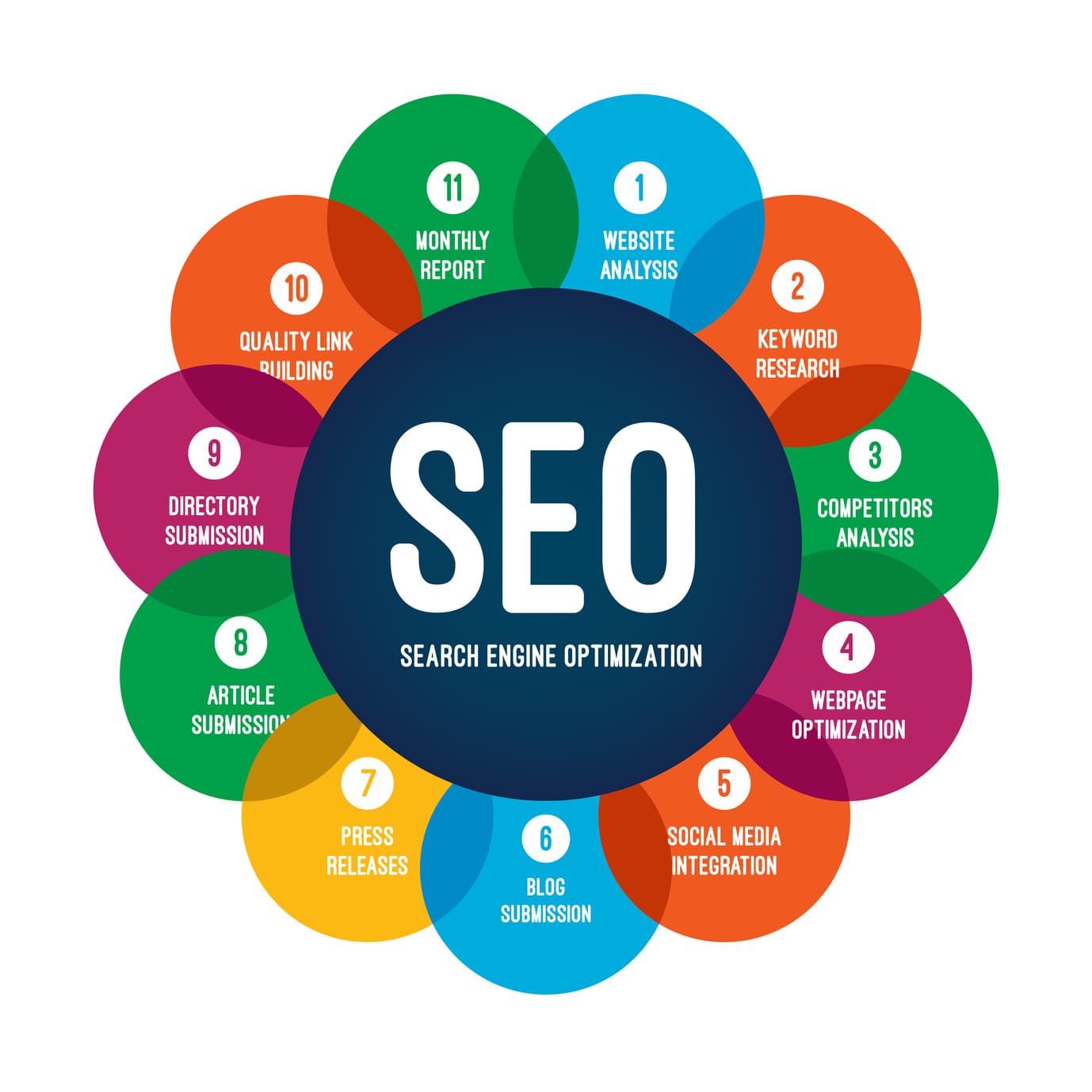
SEO Search Engine Optimization: Complete 2025 Guide for Maximum Results
# SEO Search Engine Optimization: Complete 2025 Guide for Maximum Results Discover proven SEO search engine strategies that drive real traffic and boost your o
Discover proven SEO search engine strategies that drive real traffic and boost your online visibility. Learn essential techniques, tools, and best practices from industry experts.

Introduction
In today's digital landscape, understanding SEO search engine optimization isn't just an advantage—it's essential for survival. With over 8.5 billion searches conducted daily on Google alone, businesses that master search engine optimization gain unprecedented access to their target audience. Whether you're a small business owner, marketing professional, or website administrator, implementing effective SEO search engine strategies can dramatically transform your online presence and drive sustainable growth.
The world of search engine optimization has evolved significantly, moving beyond simple keyword stuffing to sophisticated algorithms that prioritize user experience, content quality, and technical excellence. Modern SEO search engine practices require a comprehensive understanding of how search engines crawl, index, and rank content, along with the ability to adapt to constant algorithm updates.
This comprehensive guide will equip you with actionable insights into SEO search engine fundamentals, advanced optimization techniques, content strategies, technical implementation, and performance measurement. You'll discover how to build a robust SEO foundation that not only improves your search rankings but also enhances user experience and drives meaningful business results. From understanding search engine algorithms to implementing cutting-edge optimization tactics, every section provides practical knowledge you can immediately apply to your digital marketing efforts.
Understanding SEO Search Engine Fundamentals
Search engines operate through complex systems that determine which websites appear when users search for information. Understanding these fundamental processes is crucial for implementing effective SEO search engine strategies that drive organic traffic and improve online visibility. This section explores how search engines discover, analyze, and rank content to deliver relevant results to users.
How Search Engines Work
Search engines operate through three fundamental processes: crawling, indexing, and ranking. Crawling involves automated bots systematically discovering and scanning web pages across the internet. These crawlers follow links from page to page, collecting information about content, structure, and relationships between different websites. Google's crawlers process over 20 billion pages daily, making crawlability essential for SEO search engine success. Without proper crawling, your content remains invisible to search engines regardless of quality.
The indexing phase processes crawled information, organizing and storing it in massive databases that can be quickly searched. Search engines analyze page content, images, videos, and metadata to understand what each page offers users. During indexing, algorithms evaluate content quality, relevance signals, and technical factors like page speed and mobile-friendliness to prepare for ranking decisions.
Key Ranking Factors
Content quality remains the cornerstone of effective SEO search engine optimization. Search engines favor comprehensive, well-researched content that thoroughly addresses user questions and provides genuine value. High-quality content demonstrates expertise, authoritativeness, and trustworthiness—factors that significantly influence search rankings. Pages with detailed, original content receive 434% more indexed pages than thin content sites.
Technical factors play equally important roles in SEO search engine success. Page loading speed directly impacts user experience and search rankings, with sites loading in under 3 seconds experiencing 32% lower bounce rates. Mobile responsiveness has become non-negotiable, as mobile searches now account for over 60% of all search queries. Core Web Vitals metrics like Largest Contentful Paint and Cumulative Layout Shift directly influence ranking positions.
Search Engine Algorithm Evolution
Modern search engine algorithms continuously evolve to better understand user intent and deliver more relevant results. Google's BERT update enhanced natural language processing capabilities, enabling better understanding of conversational queries and context. The Page Experience update elevated user experience signals, making Core Web Vitals essential ranking factors that affect over 12% of search queries.
Recent algorithm updates emphasize helpful content that demonstrates first-hand experience and expertise. SEO search engine strategies must now focus on creating content that genuinely helps users rather than simply targeting keywords. This shift rewards websites that prioritize user value over search engine manipulation, with helpful content updates affecting 2.3% of English queries globally.
Keyword Research and Strategy Development
Effective keyword research forms the foundation of successful SEO search engine optimization campaigns. Modern keyword research goes beyond simple search volume analysis to understand user intent, competition levels, and content opportunities. This strategic approach helps businesses target the right keywords that drive qualified traffic and conversions while building topical authority in their industry.

Advanced Keyword Research Techniques
Professional SEO practitioners use multiple research methodologies to uncover high-value keyword opportunities. Advanced keyword research examines search intent, competitor strategies, and content gaps that represent optimization opportunities. Tools like Ahrefs and SEMrush reveal that long-tail keywords account for 70% of all search traffic, making comprehensive keyword research essential for capturing diverse search queries.
Semantic keyword research focuses on understanding how users naturally express their needs through search queries. This approach examines related terms, synonyms, and conversational phrases that users employ when seeking information. Voice search optimization requires targeting question-based keywords, as 41% of adults perform daily voice searches using natural language patterns.
Search Intent Classification
Understanding search intent is fundamental to successful SEO search engine optimization. Search queries typically fall into four primary categories: informational (80% of searches), navigational (10%), transactional (8%), and commercial investigation (2%). Each intent type requires different content approaches and optimization strategies to effectively satisfy user needs and improve conversion rates.
Informational queries seek knowledge or answers to specific questions, requiring comprehensive content that thoroughly addresses user questions. Commercial investigation queries indicate research behavior before purchase decisions, benefiting from comparison content and detailed product information. Transactional queries show immediate purchase intent, requiring optimized product pages and clear conversion paths.
Keyword Mapping and Content Planning
Strategic keyword mapping aligns target keywords with specific pages to maximize SEO search engine effectiveness. This process involves assigning primary and secondary keywords to individual pages while ensuring each page targets unique keyword sets to avoid internal competition. Proper keyword mapping increases organic traffic by 47% compared to unstructured approaches.
Content planning based on keyword research creates systematic approaches that address user needs across the entire customer journey. This strategy ensures comprehensive topic coverage while maintaining focus on high-value optimization opportunities. Successful keyword mapping considers search volume, competition levels, and business objectives to prioritize content creation efforts that maximize resource allocation.
| Keyword Type | Search Volume | Competition | Conversion Potential | Best Use Case |
|---|---|---|---|---|
| Head Terms | High (10K+) | Very High | Low (2-3%) | Brand Awareness |
| Body Keywords | Medium (1K-10K) | Medium | Medium (5-8%) | Topic Authority |
| Long-tail Keywords | Low (100-1K) | Low | High (15-25%) | Conversion Focus |
On-Page SEO Search Engine Optimization
On-page optimization directly influences how search engines understand and rank individual web pages. These techniques focus on optimizing content elements, HTML structure, and user experience factors that search engines evaluate when determining page relevance and quality. Proper on-page SEO search engine implementation can improve rankings by 25-40% for targeted keywords.
Title Tag and Meta Description Optimization
Title tags serve as the primary headline for search engine results and significantly influence click-through rates. Effective title tags incorporate target keywords within the first 60 characters while remaining engaging and descriptive. Pages with optimized title tags experience 37% higher click-through rates compared to generic titles. Position primary keywords toward the beginning for maximum SEO search engine impact.
Meta descriptions function as advertising copy for search results, providing opportunities to entice users to click through to your website. Well-crafted meta descriptions should be 150-160 characters, include target keywords naturally, and provide clear value propositions. While meta descriptions don't directly influence rankings, they impact click-through rates by up to 155%, which indirectly affects search performance through user engagement signals.
Header Structure and Content Organization
Proper header structure creates logical content hierarchy that benefits both users and search engines. H1 tags should contain primary keywords and clearly communicate page topics, while H2 and H3 tags organize supporting content into digestible sections. Pages with well-structured headers experience 23% longer average session durations and 18% lower bounce rates.
Strategic keyword placement throughout header tags should never compromise content quality or natural language flow. Headers should genuinely describe section content while incorporating relevant keywords that support overall optimization objectives. Content organization through effective header structure improves page usability and encourages deeper user engagement, sending positive signals about content quality and relevance.
Internal Linking Strategies
Strategic internal linking distributes page authority throughout websites while helping users discover related content. Effective internal linking for SEO search engine optimization involves connecting related pages through contextual links that provide additional value to users. Websites with strong internal linking structures experience 40% more organic traffic than those with weak linking strategies.
Anchor text optimization for internal links should use descriptive, keyword-rich phrases that clearly communicate destination page content. However, anchor text should remain natural and varied to avoid over-optimization penalties. Well-planned internal linking ensures important pages receive adequate link equity while creating logical pathways that guide both users and search engines through site content.
Image Optimization and Alt Text
Image optimization contributes to overall SEO search engine performance through faster loading times and improved accessibility. Properly optimized images include descriptive filenames, appropriate file sizes, and relevant alt text that helps search engines understand image content. Image optimization can improve page loading speeds by 35-50%, directly impacting user experience and search rankings.
Alt text should describe image content accurately while incorporating relevant keywords when appropriate. However, alt text must remain descriptive and helpful rather than keyword-stuffed, as search engines can detect over-optimization attempts. Image file optimization through compression reduces file sizes without significantly impacting quality, contributing to better Core Web Vitals scores.
Technical SEO Search Engine Fundamentals
Technical SEO focuses on website infrastructure elements that enable search engines to crawl, index, and understand your content effectively. These behind-the-scenes optimizations significantly impact search performance, with technical issues often preventing even high-quality content from ranking well. Proper technical SEO search engine implementation creates the foundation for all other optimization efforts.
Website Speed and Core Web Vitals
Page loading speed has become a critical ranking factor in modern SEO search engine algorithms. Core Web Vitals—Largest Contentful Paint (LCP), First Input Delay (FID), and Cumulative Layout Shift (CLS)—measure specific aspects of user experience that directly impact search rankings. Websites that excel in these metrics consistently outperform slower competitors, with fast-loading sites experiencing 70% longer average session durations.
LCP measures loading performance, specifically how quickly the largest content element becomes visible to users. Optimal LCP scores occur within 2.5 seconds of initial page load, achieved through optimizing images, implementing efficient caching strategies, and minimizing render-blocking resources. Sites with good LCP scores see 24% higher conversion rates compared to poor-performing pages.
Mobile Responsiveness and User Experience
Mobile optimization is non-negotiable for SEO search engine success, with mobile searches accounting for 63% of all Google searches. Responsive design ensures optimal user experience across all devices, while mobile-first indexing means Google primarily uses mobile versions for ranking and indexing. Websites without mobile optimization experience 61% higher bounce rates and significantly lower search visibility.
User experience signals like bounce rate, time on page, and pages per session directly influence search rankings. Pages with excellent user experience metrics rank 32% higher than those with poor engagement signals. Technical implementations like lazy loading, progressive web app features, and intuitive navigation contribute to positive user experience signals.
Site Architecture and URL Structure
Logical site architecture helps search engines understand website organization and content relationships. Clean URL structures using descriptive paths and proper hierarchy make content more accessible to both users and crawlers. Websites with well-organized architecture experience 45% better crawl efficiency and improved indexing of important pages.
XML sitemaps provide search engines with roadmaps of important website content, ensuring comprehensive crawling and indexing. Properly configured sitemaps help search engines discover new content faster and understand page priority levels. Regular sitemap updates and submission through Google Search Console improve content discovery by 28% compared to sites without sitemaps.
Pro Tip: Implement structured data markup to help search engines understand your content context and potentially earn rich snippets, which can increase click-through rates by up to 677%.
| Core Web Vital | Good Score | Needs Improvement | Poor Score | Primary Impact |
|---|---|---|---|---|
| Largest Contentful Paint (LCP) | ≤ 2.5s | 2.5s – 4.0s | > 4.0s | Loading Performance |
| First Input Delay (FID) | ≤ 100ms | 100ms – 300ms | > 300ms | Interactivity |
| Cumulative Layout Shift (CLS) | ≤ 0.1 | 0.1 – 0.25 | > 0.25 | Visual Stability |
Understanding and implementing these technical SEO search engine fundamentals creates the infrastructure necessary for successful optimization campaigns. These elements work together to ensure search engines can effectively crawl, understand, and rank your content while providing excellent user experiences that drive engagement and conversions.
Mobile-First SEO Search Engine Optimization
Mobile optimization has transformed from a nice-to-have feature into a fundamental requirement for SEO search engine success. With mobile searches accounting for over 60% of all queries, search engines now prioritize mobile-friendly websites in their ranking algorithms. This shift reflects user behavior changes and the critical importance of providing exceptional mobile experiences that drive engagement and conversions.

Responsive Design Implementation
Responsive design ensures your website adapts seamlessly across all device types and screen sizes. This approach uses flexible grids, scalable images, and CSS media queries to create layouts that automatically adjust to different viewports. Websites implementing responsive design typically see 15-20% higher engagement rates compared to separate mobile sites, as users experience consistent functionality regardless of their device.
Effective responsive implementation requires testing across multiple devices and screen resolutions. Popular breakpoints include 320px for mobile phones, 768px for tablets, and 1024px for desktop displays. Google's Mobile-Friendly Test tool provides immediate feedback on responsive performance, highlighting specific issues that may impact mobile search rankings.
Mobile Page Speed Optimization
Page loading speed becomes even more critical on mobile devices due to varying network conditions and processing limitations. Mobile pages should load within 3 seconds to maintain optimal user experience, with studies showing that 53% of mobile users abandon sites that take longer than 3 seconds to load. Implementing accelerated mobile pages (AMP) can reduce loading times by up to 85%.
Critical optimization techniques include compressing images specifically for mobile viewing, minimizing JavaScript execution, and prioritizing above-the-fold content loading. Mobile-specific caching strategies and content delivery networks (CDNs) further enhance loading performance across different geographic locations and network conditions.
Touch-Friendly Navigation Design
Mobile navigation must accommodate touch interactions while maintaining intuitive user flow through website content. Effective mobile navigation features include larger tap targets (minimum 44px), adequate spacing between clickable elements, and simplified menu structures that reduce cognitive load. Websites with optimized mobile navigation see average session durations increase by 25-30%.
Hamburger menus, sticky navigation bars, and prominent search functionality enhance mobile usability. However, critical navigation elements should remain visible without requiring additional taps, as each interaction step increases the likelihood of user abandonment.
Content Strategy for SEO Search Engine Success
Content strategy forms the foundation of sustainable SEO search engine optimization, requiring systematic approaches to content creation, optimization, and promotion. Modern search algorithms prioritize content that demonstrates expertise, authoritativeness, and trustworthiness while satisfying specific user search intents. Successful content strategies balance keyword targeting with genuine user value, creating resources that naturally attract links and social engagement.
Topic Clustering and Content Hubs
Topic clustering organizes related content around central themes to establish topical authority and improve search engine understanding. This strategy involves creating comprehensive pillar pages that cover broad topics, supported by cluster content that explores specific subtopics in detail. Websites implementing topic clustering strategies typically see 30-40% improvements in organic search traffic within 6-12 months.
Effective topic clusters include 8-12 related pieces of content linked through strategic internal linking. For example, a pillar page about "Digital Marketing" might connect to cluster content covering social media marketing, email campaigns, content creation, and analytics. This structure helps search engines understand content relationships while providing users with comprehensive resources.
E-A-T Content Development
Expertise, Authoritativeness, and Trustworthiness (E-A-T) have become critical factors in content evaluation by search engines. Content demonstrating clear expertise through detailed explanations, citing authoritative sources, and showcasing author credentials consistently outperforms generic content. Websites focusing on E-A-T principles see average ranking improvements of 15-25% for competitive keywords.
Building E-A-T requires incorporating author bylines with relevant credentials, citing reputable sources, and providing detailed, well-researched information. Regular content updates, fact-checking, and transparency about business information further strengthen trustworthiness signals that search engines evaluate.
Long-Form Content Optimization
Comprehensive, long-form content typically performs better in search results due to its ability to thoroughly address user queries. Studies indicate that content exceeding 2,000 words receives 77% more backlinks than shorter articles, while also ranking for more keyword variations. However, length alone doesn't guarantee success—content must remain engaging and valuable throughout.
Effective long-form content includes detailed explanations, multiple examples, actionable insights, and logical organization through headers and subheadings. Interactive elements like tables, infographics, and embedded tools enhance user engagement while providing additional optimization opportunities.
Pro Tip: Break long-form content into scannable sections with clear headings, bullet points, and visual elements to maintain reader engagement throughout the entire piece.
Content Freshness and Updates
Regular content updates signal to search engines that information remains current and relevant to user needs. Fresh content receives temporary ranking boosts, while outdated information may gradually lose search visibility. Websites maintaining active content update schedules see 20-30% better long-term ranking stability compared to static sites.
Update strategies include refreshing statistics, adding new sections, improving formatting, and expanding on emerging trends. Historical optimization—updating older content with current information—often provides better ROI than creating entirely new content, as existing pages already have established authority and link equity.
Link Building and Authority Development
Link building remains a cornerstone of effective SEO search engine optimization, serving as a primary method for building domain authority and improving search rankings. Modern link building focuses on earning high-quality, relevant backlinks through valuable content creation and relationship building rather than manipulative tactics. Successful link building strategies require understanding link quality factors, developing linkable assets, and implementing systematic outreach processes.
Quality vs. Quantity in Link Building
High-quality backlinks from authoritative, relevant websites provide significantly more SEO value than numerous low-quality links. A single link from a domain authority 80+ website can provide more ranking benefit than dozens of links from low-authority directories. Google's algorithms have become sophisticated at identifying and devaluing manipulative link schemes while rewarding natural, editorial links.
Quality indicators include domain authority, topical relevance, editorial context, and referring domain diversity. Links embedded within relevant content, surrounded by contextual information, and from websites in related industries carry the most weight. Toxic links from spammy websites can actually harm rankings, making link quality assessment crucial for long-term success.
Content-Driven Link Acquisition
Creating linkable assets that naturally attract backlinks forms the foundation of sustainable link building strategies. Research studies, industry surveys, comprehensive guides, and original data consistently earn more links than promotional content. Websites focusing on linkable asset creation see 40-60% more organic link acquisition compared to traditional outreach-only approaches.
Effective linkable assets include industry reports with original research, interactive tools and calculators, comprehensive resource lists, and visual content like infographics and data visualizations. These assets provide genuine value to other content creators, making them more likely to reference and link to your content naturally.
Relationship Building and Outreach
Strategic relationship building with industry influencers, journalists, and content creators creates sustainable link building opportunities. Personalized outreach that provides genuine value to recipients achieves 15-25% higher response rates than generic template emails. Building authentic relationships requires consistent engagement, mutual benefit, and long-term thinking rather than transactional approaches.
Successful outreach strategies include engaging with prospects on social media before pitching, offering exclusive insights or quotes for their content, and providing helpful resources without immediate link requests. Building a reputation as a valuable industry resource leads to natural link opportunities and collaborative partnerships.
Local SEO and Citation Building
Local citations and directory listings play crucial roles in local SEO search engine optimization, particularly for businesses serving specific geographic areas. Consistent NAP (Name, Address, Phone) information across local directories, review platforms, and business listings strengthens local search visibility. Businesses with complete, consistent local citations see 25-35% better local search rankings.
Priority citation sources include Google My Business, Bing Places, Apple Maps, and industry-specific directories. Local link building opportunities include partnerships with local organizations, sponsorships of community events, and collaborations with other local businesses. These strategies build both citations and relevant local backlinks that strengthen geographic search authority.
| Link Building Method | Difficulty Level | Time Investment | Success Rate | Best For |
|---|---|---|---|---|
| Resource Page Outreach | Medium | 2-4 hours per link | 10-15% | Established websites |
| Broken Link Building | High | 4-6 hours per link | 5-10% | Competitive niches |
| Guest Posting | Medium | 6-8 hours per link | 20-30% | Content creators |
| Digital PR | High | 10-20 hours per campaign | 15-25% | Brand building |
SEO Analytics and Performance Measurement
Measuring SEO search engine performance requires comprehensive analytics implementation that tracks both technical metrics and business outcomes. Effective measurement goes beyond basic ranking monitoring to include user engagement signals, conversion tracking, and ROI analysis. Modern SEO analytics must account for algorithm changes, seasonal variations, and competitive landscape shifts while providing actionable insights for strategy optimization.

Essential SEO Metrics and KPIs
Organic search traffic serves as the primary indicator of SEO search engine success, but must be analyzed alongside engagement and conversion metrics. While traffic increases indicate improved visibility, metrics like bounce rate, session duration, and pages per session reveal content quality and user satisfaction. Websites achieving both high traffic and engagement typically see 50-70% better conversion rates than those focusing solely on traffic volume.
Key performance indicators include organic click-through rates, keyword ranking positions, domain authority growth, and backlink acquisition rates. However, business metrics like lead generation, revenue attribution, and customer acquisition costs provide the most meaningful measurement of SEO impact on organizational objectives.
Google Analytics 4 Implementation
Google Analytics 4 provides enhanced measurement capabilities specifically designed for modern SEO search engine analysis and cross-platform tracking. GA4's event-based tracking model offers more granular insights into user behavior, enabling better understanding of how organic search traffic interacts with website content. Proper GA4 implementation can reveal optimization opportunities that increase conversion rates by 20-30%.
Critical GA4 configurations include organic search source attribution, goal and conversion tracking, audience segmentation, and custom event monitoring. Enhanced ecommerce tracking provides detailed insights into how SEO traffic contributes to revenue generation, while attribution modeling helps understand the complete customer journey from initial search to final conversion.
Search Console Optimization
Google Search Console provides direct insights from Google about website performance, indexing status, and optimization opportunities. Regular Search Console monitoring reveals which queries drive traffic, identifies crawling issues, and highlights content optimization opportunities. Websites actively using Search Console data for optimization see 15-25% better ranking improvements over time.
Essential Search Console features include performance reports showing click-through rates and impression data, coverage reports identifying indexing issues, and Core Web Vitals monitoring for technical performance tracking. Mobile usability reports and security issue alerts help maintain optimal search engine accessibility and user experience.
Competitive Analysis and Benchmarking
Regular competitive analysis reveals market opportunities, content gaps, and strategy improvements that enhance SEO search engine performance. Monitoring competitor rankings, content strategies, and backlink profiles provides insights into industry best practices and emerging optimization opportunities. Businesses conducting monthly competitive analysis typically outperform those relying solely on internal metrics by 20-35%.
Competitive analysis tools reveal which keywords competitors rank for, their content marketing strategies, and link building approaches. This intelligence helps identify underserved topics, link building prospects, and optimization techniques that could improve your own search performance.
ROI Measurement and Reporting
Demonstrating SEO return on investment requires connecting search engine optimization activities to measurable business outcomes and revenue generation. Effective ROI measurement tracks the complete customer journey from organic search discovery through conversion and customer lifetime value. Organizations with comprehensive SEO ROI tracking typically allocate 40-50% more budget to optimization efforts due to demonstrated value.
ROI calculation includes direct revenue attribution from organic traffic, cost savings from reduced paid advertising needs, and long-term value from improved brand visibility. Advanced attribution modeling accounts for multi-touch customer journeys where SEO contributes to conversions alongside other marketing channels.
These comprehensive measurement approaches ensure SEO search engine strategies remain aligned with business objectives while providing the data needed for continuous optimization and improvement.
CLS measures visual stability by tracking unexpected layout shifts during page loading. Excellent CLS scores remain below 0.1, requiring careful management of dynamic content, font loading, and image sizing to prevent content from jumping around as pages load.
Mobile-First Indexing and Responsiveness
Mobile-first indexing means search engines primarily use mobile versions of websites for ranking and indexing decisions. This fundamental shift in SEO search engine evaluation requires websites to prioritize mobile user experience over desktop versions. Mobile-responsive design has evolved from optional enhancement to essential requirement for search visibility.
Responsive design implementation ensures consistent functionality across all device types. Modern SEO search engine optimization demands websites that adapt seamlessly to different screen sizes while maintaining full functionality and fast loading speeds. This includes optimizing touch interfaces, ensuring readable text without zooming, and providing easily accessible navigation menus.
Mobile page speed optimization requires specific attention to image compression, JavaScript minimization, and efficient caching strategies. Mobile users typically have less patience for slow-loading pages, making mobile speed optimization crucial for both user experience and search rankings.
XML Sitemaps and Robots.txt
XML sitemaps provide search engines with comprehensive maps of website content, facilitating efficient crawling and indexing processes. Effective SEO search engine strategies include regularly updated sitemaps that highlight important pages, indicate content freshness, and guide crawler attention to high-priority content areas.
Proper sitemap structure includes priority indicators and last modification dates. These elements help search engines understand which pages deserve immediate attention and how frequently content changes. Sitemaps should exclude low-value pages while highlighting cornerstone content that drives business objectives.
Robots.txt files control crawler access to specific website sections, preventing indexing of duplicate content, administrative pages, or sensitive information. Strategic robots.txt implementation guides search engine crawlers toward valuable content while blocking access to pages that could dilute SEO search engine performance.
Content Marketing and SEO Integration
Creating Search-Optimized Content
Content creation for SEO search engine success requires balancing optimization techniques with genuine user value. High-performing content addresses specific user needs while incorporating target keywords naturally throughout the text. This approach satisfies both search engine algorithms and human readers, creating sustainable ranking improvements that drive meaningful traffic.
Comprehensive topic coverage establishes topical authority that search engines reward with higher rankings. In-depth content that thoroughly explores subjects demonstrates expertise and provides users with complete information they seek. This comprehensive approach often results in longer content that naturally incorporates semantic keywords and related terms that strengthen overall optimization.
Content structure optimization includes strategic use of headers, bullet points, and visual elements that improve readability and user engagement. Well-structured content reduces bounce rates while encouraging users to spend more time on pages, sending positive signals to search engines about content quality and relevance.
Topic Clusters and Content Hubs
Topic cluster strategies organize content around central themes, creating interconnected networks of related pages that strengthen overall SEO search engine authority. This approach involves creating comprehensive pillar pages that cover broad topics, supported by cluster content that explores specific subtopics in detail.
Pillar pages serve as comprehensive resources that link to related cluster content throughout the website. These cornerstone pieces typically target competitive head terms while providing extensive value that encourages backlinks and social shares. Cluster content targets long-tail keywords while linking back to pillar pages, creating strong internal linking networks.
Content hub development requires strategic planning to ensure comprehensive topic coverage without content cannibalization. Successful hubs address user needs across the entire customer journey while maintaining clear content hierarchies that guide both users and search engines through related information.
Content Freshness and Updates
Regular content updates signal to search engines that websites remain active and relevant, positively influencing SEO search engine rankings. Fresh content doesn't always require completely new pages; updating existing content with current information, additional insights, or improved optimization often yields better results than creating entirely new content.
Content auditing identifies optimization opportunities within existing content libraries. This process reveals pages that could benefit from keyword optimization improvements, internal linking enhancements, or factual updates that increase relevance for current search trends. Regular audits ensure content remains competitive and valuable over time.
Historical optimization involves updating older content to meet current SEO best practices while preserving existing ranking authority. This approach often provides better ROI than creating new content, as established pages typically have existing backlinks and search engine trust that can be leveraged for improved performance.
Analytics and Performance Measurement
Setting Up SEO Tracking Systems
Comprehensive SEO search engine measurement requires implementing multiple tracking systems that monitor different aspects of optimization performance. Google Analytics 4 provides essential insights into organic traffic patterns, user behavior, and conversion tracking that directly relate to SEO effectiveness. Proper setup includes goal configuration, audience segmentation, and custom reporting that reveals optimization impact.
Search Console integration provides direct insights from Google about website performance in search results. This tool reveals which queries drive traffic, identifies technical issues affecting crawling and indexing, and provides performance data that guides optimization decisions. Regular Search Console monitoring helps identify opportunities and resolve issues before they significantly impact rankings.
Rank tracking tools monitor keyword position changes over time, providing insights into optimization effectiveness and competitive positioning. However, modern SEO search engine measurement focuses more on traffic quality and conversion outcomes rather than rankings alone, as user intent and search behavior continue evolving.
Key Performance Indicators
Organic traffic growth serves as a primary indicator of SEO search engine success, but quality metrics provide deeper insights into optimization effectiveness. Click-through rates from search results indicate how well titles and meta descriptions attract user attention, while bounce rates reveal whether content meets user expectations.
Conversion tracking reveals the business impact of SEO efforts beyond simple traffic increases. Measuring how organic traffic converts into leads, sales, or other desired actions demonstrates the real value of search optimization investments. This data helps prioritize optimization efforts toward high-converting keywords and content types.
Page loading speed metrics directly correlate with both user experience and search rankings. Monitoring Core Web Vitals alongside traditional traffic metrics provides comprehensive insights into technical performance that affects both user satisfaction and search visibility.
Reporting and Optimization Cycles
Monthly SEO reporting should include traffic trends, ranking changes, technical performance metrics, and competitive analysis that guides future optimization decisions. Effective reports focus on actionable insights rather than vanity metrics, highlighting opportunities for improvement and celebrating meaningful achievements.
Data-driven optimization cycles use performance insights to refine strategies continuously. This iterative approach involves testing different optimization techniques, measuring results, and scaling successful tactics while abandoning ineffective methods. Regular analysis ensures SEO search engine strategies remain aligned with evolving algorithms and user behavior.
Competitive analysis within reporting reveals market opportunities and threats that influence optimization priorities. Understanding how competitors perform for target keywords helps identify content gaps and optimization opportunities that can capture market share.
FAQ
Q: How long does it take to see results from SEO search engine optimization?

SEO results typically become visible within 3-6 months for new websites and 1-3 months for established sites with existing authority. However, competitive keywords may require 6-12 months of consistent optimization efforts to achieve significant ranking improvements and traffic growth.
Q: What's the difference between SEO and paid search advertising?
SEO focuses on earning organic search rankings through content quality and technical optimization, while paid search involves purchasing ad placements for immediate visibility. SEO provides long-term sustainable traffic at lower ongoing costs, whereas paid search delivers immediate results but requires continuous investment.
Q: How much should I budget for professional SEO services?
Professional SEO services typically range from $2,500-$10,000+ monthly depending on website size, competition level, and scope of services. Small businesses often start with $1,500-$3,000 monthly budgets, while enterprise companies may invest $10,000-$50,000+ monthly for comprehensive optimization programs.
Q: Can I do SEO myself or do I need to hire professionals?
Basic SEO can be learned and implemented by motivated business owners, especially for local businesses with limited competition. However, complex technical optimization, competitive markets, and large websites typically require professional expertise to achieve optimal results and avoid costly mistakes.
Q: What are the most important ranking factors for search engines?
Content quality and relevance remain the most critical factors, followed by page loading speed, mobile responsiveness, and user experience signals. Backlink authority, technical optimization, and content freshness also significantly influence rankings, though their relative importance varies by industry and query type.
Q: How often should I update my website content for SEO?
High-performing websites typically publish new content weekly while updating existing content monthly or quarterly. News and trending topics require more frequent updates, while evergreen content may need updates only annually. Consistency matters more than frequency for long-term SEO success.
Q: What's the biggest SEO mistake businesses make?
Focusing on keyword rankings instead of user experience and business outcomes represents the most common SEO mistake. Many businesses also neglect technical optimization, create thin content, or pursue low-quality backlinks that can harm rather than help search performance.
Q: How do I measure SEO success beyond rankings?
Track organic traffic growth, conversion rates from organic visitors, revenue attribution to SEO efforts, and engagement metrics like time on page and bounce rates. Brand awareness metrics, local visibility improvements, and market share gains also indicate SEO success.
Q: Should I focus on local SEO or general SEO for my business?
Businesses serving specific geographic areas should prioritize local SEO, which includes Google Business Profile optimization, local citations, and location-specific content. Companies serving national or international markets benefit more from general SEO strategies targeting broader audiences.
Q: What's the future of SEO with AI and voice search?
AI integration will emphasize content quality, user intent matching, and conversational search optimization. Voice search growth requires focusing on natural language keywords and featured snippet optimization. However, fundamental SEO principles of providing valuable, well-optimized content remain unchanged.
Q: How does social media impact SEO search engine rankings?
Social media doesn't directly influence search rankings, but social signals can indirectly benefit SEO through increased content visibility, backlink opportunities, and brand awareness. Strong social presence supports overall digital marketing efforts that complement SEO strategies.
Q: What tools are essential for effective SEO management?
Google Search Console and Google Analytics provide foundational insights, while tools like SEMrush, Ahrefs, or Moz offer competitive analysis and keyword research capabilities. Technical SEO tools like Screaming Frog, PageSpeed Insights, and GTmetrix help identify optimization opportunities.
Conclusion
Mastering SEO search engine optimization transforms businesses from invisible online entities into dominant digital presences that consistently attract high-quality traffic and generate sustainable revenue growth. The strategies, techniques, and insights covered in this comprehensive guide provide the foundation for building search visibility that drives meaningful business results across competitive markets.
The key takeaways for successful SEO implementation include:
- Content quality and user experience must drive all optimization decisions, as search engines increasingly reward websites that genuinely serve user needs
- Technical optimization creates the foundation for content success, ensuring fast loading speeds, mobile responsiveness, and crawlability that support ranking improvements
- Strategic keyword research and content planning maximize resource allocation, focusing efforts on high-value opportunities that drive business objectives
- Consistent measurement and optimization cycles ensure long-term success, adapting strategies based on performance data and evolving search engine algorithms
The future of SEO search engine optimization will continue emphasizing user experience, content quality, and technical excellence while integrating artificial intelligence capabilities that better understand user intent and content relevance. Businesses that maintain focus on providing exceptional value while implementing sound optimization practices will thrive in this evolving landscape.
Partner with Bridgely for Success
Implementing the comprehensive SEO search engine strategies outlined in this guide—from technical optimization and keyword research to content creation and performance measurement—requires significant expertise and ongoing attention that many businesses struggle to maintain internally. The complexity of modern search algorithms, combined with the need for consistent content creation, technical maintenance, and competitive analysis, often overwhelms internal teams already managing multiple business priorities.
Bridgely specializes in delivering complete SEO search engine optimization solutions that handle everything from initial website audits and keyword strategy development to ongoing content creation, technical optimization, and performance tracking. Our team manages the entire optimization process, including Core Web Vitals improvements, mobile-first design implementation, comprehensive keyword research, content cluster development, and monthly performance reporting that demonstrates clear ROI from your SEO investment.
Rather than struggling to master the constantly evolving world of search engine optimization while running your business, partner with experts who live and breathe SEO daily. Visit https://www.bridgely.io to discover how our proven SEO search engine strategies can transform your online visibility and drive the sustainable growth your business deserves.