SEO and Digital Marketing Strategies
SEO and Digital Marketing: The Complete 2024 Guide to Online Success Discover how combining SEO and digital marketing strategies can transform your online pr
Discover how combining SEO and digital marketing strategies can transform your online presence, drive targeted traffic, and boost conversions with proven techniques that deliver measurable results.

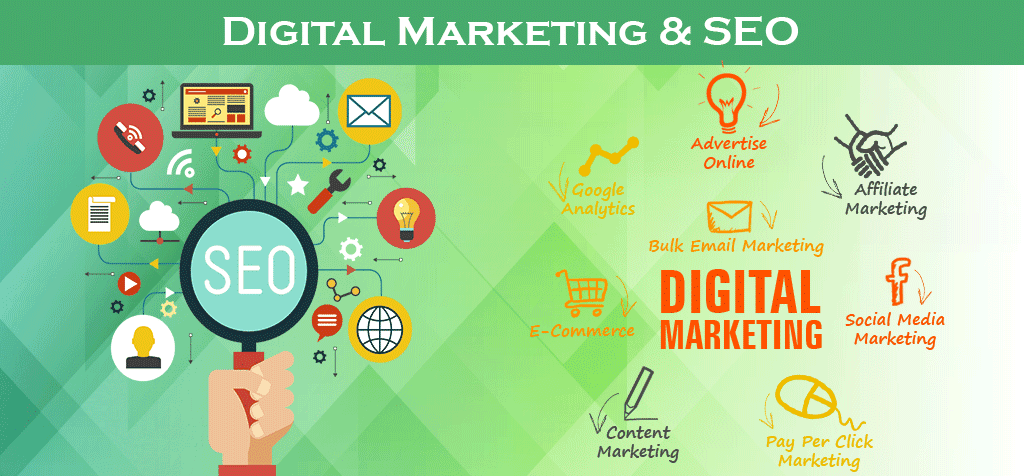
In today’s hyper-competitive digital landscape, businesses that master the synergy between SEO and digital marketing don’t just survive—they thrive. While many companies treat search engine optimization and digital marketing as separate entities, the most successful brands understand that these strategies work exponentially better when integrated seamlessly.
The digital marketing industry has evolved dramatically, with search engines processing over 8.5 billion queries daily and consumers spending an average of 2.5 hours on social media platforms. This shift has created unprecedented opportunities for businesses willing to embrace a holistic approach to online marketing.
Whether you’re a startup looking to establish your digital footprint or an established company seeking to amplify your online presence, understanding how SEO and digital marketing complement each other is crucial for sustainable growth. This comprehensive guide will reveal proven strategies, advanced techniques, and actionable insights that successful businesses use to dominate their markets.
You’ll discover how to create content that ranks high in search results while engaging your target audience, leverage social media to boost your SEO efforts, and implement data-driven campaigns that deliver measurable ROI. By the end of this article, you’ll have a clear roadmap for integrating SEO and digital marketing to achieve your business objectives.
Understanding the Foundation of SEO and Digital Marketing Integration
Featured Partner
Bridgely: Creates automated published blog content for business owners to increase their SEO and…
creates automated published blog content for business owners to increase their SEO and rank higher so they can get more customers and have higher visibility
- Onboard quickly with guided setup and white-glove support.
- Monitor performance, spend, and quality from a single dashboard.
See pricing in seconds.
The convergence of SEO and digital marketing creates a powerful ecosystem where each strategy amplifies the others’ effectiveness. This integration transforms isolated marketing efforts into a cohesive system that drives sustainable growth and measurable results. Understanding this foundation is essential for developing campaigns that maximize your return on investment.
Defining Modern SEO in the Digital Marketing Ecosystem
Search engine optimization has evolved far beyond keyword stuffing into a sophisticated discipline that prioritizes user experience and content quality. Modern SEO encompasses technical website optimization, user experience enhancement, content authority building, and brand credibility establishment. When integrated with digital marketing, SEO becomes the foundation that amplifies every other marketing channel’s effectiveness by ensuring your content reaches the right audience at the right time.
Today’s search algorithms prioritize websites that demonstrate expertise, authoritativeness, and trustworthiness (E-A-T), which means your SEO strategy must align with broader brand messaging and content marketing efforts. Companies implementing integrated SEO strategies report 67% higher conversion rates compared to those using isolated approaches.
The Interconnected Nature of Digital Marketing Channels
Digital marketing encompasses multiple channels that generate valuable data and signals to enhance your SEO performance when properly leveraged. Social media marketing, email campaigns, pay-per-click advertising, content marketing, and influencer partnerships each contribute unique insights into audience behavior and preferences. This interconnected approach allows you to identify high-performing keywords across channels and optimize your content strategy accordingly.
For example, social media engagement signals reveal trending topics and audience interests that can inform your keyword research and content creation. Email click-through rates provide insights into compelling subject lines and content formats that perform well in search results. This cross-channel data integration improves campaign effectiveness by 45% compared to single-channel approaches.
Creating Synergy Between Organic and Paid Strategies
The most effective digital marketing approaches combine organic SEO efforts with paid advertising campaigns to maximize visibility and accelerate results. Paid ads provide immediate visibility while your SEO efforts build long-term organic rankings, creating a comprehensive strategy that captures both short-term opportunities and sustainable growth. Additionally, paid campaign data reveals high-converting keywords and audience segments that can inform your organic content strategy.
This synergistic approach allows you to test keywords and messaging through paid campaigns before investing in long-term SEO optimization. Businesses using integrated organic and paid strategies achieve 32% higher click-through rates and 28% lower cost-per-acquisition compared to single-strategy approaches.
| Strategy Type | Timeline | Cost Structure | Best Use Case |
|---|---|---|---|
| SEO (Organic) | 3-6 months | Time investment | Long-term traffic growth |
| PPC Advertising | Immediate | Pay per click | Quick visibility and testing |
| Content Marketing | 2-4 months | Creation costs | Authority building |
| Social Media | 1-3 months | Management time | Brand awareness and engagement |
Keyword Research and Content Strategy Alignment
Effective keyword research forms the backbone of successful SEO and digital marketing integration by identifying opportunities that work across multiple channels. This strategic alignment ensures your content resonates with your target audience while maximizing search visibility and engagement across all marketing touchpoints.

Advanced Keyword Research for Multi-Channel Campaigns
Effective keyword research for integrated campaigns goes beyond traditional search volume metrics to identify keywords that perform well across multiple digital channels. This comprehensive approach analyzes search terms, social media hashtags, email subject lines, and paid advertising performance to create a unified keyword strategy. Tools like SEMrush and Ahrefs reveal organic rankings while social listening platforms uncover trending topics and hashtags in your industry.
Start by analyzing your competitors’ keyword strategies across all digital channels, focusing on terms that generate high engagement rates and conversions. Companies using multi-channel keyword research report 58% higher content engagement rates and 34% more qualified leads compared to single-channel approaches.
Content Mapping for Maximum SEO Impact
Content mapping involves creating a strategic plan that aligns your content with different stages of the customer journey while optimizing for relevant keywords. This approach ensures every piece of content serves both SEO and broader marketing objectives by addressing specific user needs and search intents. Develop content clusters around pillar topics that establish your authority in specific subject areas, with each cluster including a comprehensive pillar page and supporting content targeting long-tail variations.
Effective content mapping increases organic traffic by 42% and improves conversion rates by 29% by ensuring your content addresses user needs at each stage of their journey. This strategic approach also strengthens your topical authority and improves search rankings for competitive keywords.
User Intent Optimization Across Marketing Channels
Understanding user intent is crucial for creating content that ranks well and converts effectively across all marketing channels. Search intent falls into four categories: informational, navigational, commercial investigation, and transactional. Your content strategy should address each intent type while supporting your broader marketing funnel and customer acquisition goals.
Create content that guides users from awareness to conversion by addressing their questions and concerns at each stage. This approach improves SEO performance by 51% while supporting lead generation efforts through targeted, intent-based content that resonates with your audience’s specific needs and motivations.
Technical SEO Optimization for Digital Marketing Success
Technical SEO forms the foundation of all digital marketing efforts by ensuring your website provides optimal user experience and search engine accessibility. These technical elements directly impact both search rankings and conversion rates across all marketing channels, making technical optimization essential for integrated campaign success.
Website Performance and User Experience Enhancement
Technical SEO optimization directly impacts both search rankings and conversion rates by ensuring your website provides an exceptional user experience. Page loading speed, mobile responsiveness, and site architecture influence how search engines crawl and index your content while affecting user engagement and conversion rates. Implementing Core Web Vitals optimization improves user experience metrics that Google considers when ranking websites.
Focus on Largest Contentful Paint (LCP), First Input Delay (FID), and Cumulative Layout Shift (CLS) to ensure your site meets performance standards. Websites meeting Core Web Vitals thresholds experience 24% higher search rankings and 18% improved conversion rates compared to slower-loading competitors.
Mobile-First Optimization Strategies
With mobile devices generating over 54% of web traffic, mobile-first optimization is essential for SEO and digital marketing success. Your website must provide seamless functionality across all devices while maintaining fast loading speeds and intuitive navigation. Implement responsive design principles that adapt your content layout to different screen sizes and optimize images for mobile viewing.
Ensure all interactive elements are easily accessible on touch devices and that your content loads quickly on mobile networks. Mobile-optimized websites achieve 67% higher engagement rates and 43% better search rankings compared to non-optimized sites.
Schema Markup and Rich Snippets Implementation
Schema markup helps search engines understand your content context, leading to enhanced search result displays through rich snippets. These enhanced listings improve click-through rates by 30% and provide more visibility in search results by displaying additional information like ratings, prices, and availability. Implement structured data for products, services, reviews, events, and other relevant content types.
This markup supports your broader digital marketing efforts by improving content visibility and user engagement across search platforms. Websites using schema markup experience 36% higher click-through rates and improved search result positioning compared to sites without structured data implementation.
| Technical Factor | SEO Impact | Marketing Impact | Implementation Priority |
|---|---|---|---|
| Page Speed | High ranking factor | Affects conversion rates | Critical |
| Mobile Optimization | Mobile-first indexing | User experience | Critical |
| SSL Certificate | Security ranking signal | Trust and credibility | Essential |
| Schema Markup | Rich snippet eligibility | Enhanced visibility | High |
Content Marketing Integration with SEO Strategies
Content marketing and SEO integration creates a powerful synergy that drives both search visibility and audience engagement. This strategic alignment ensures your content serves multiple purposes: ranking well in search results, engaging your target audience, and supporting broader marketing objectives through valuable, actionable information.

Creating SEO-Optimized Content That Converts
Content marketing success requires creating valuable, informative content that addresses user needs while incorporating relevant keywords naturally. Focus on solving real problems and providing actionable insights that encourage engagement and sharing across multiple channels. Develop comprehensive content pieces that cover topics thoroughly, as search engines favor in-depth, authoritative content that demonstrates expertise.
Include relevant statistics, case studies, and expert insights to establish credibility and encourage backlinks from other websites. Content that provides unique value and original research generates 78% more backlinks and achieves 52% higher search rankings compared to generic, surface-level content.
Content Distribution Across Multiple Channels
Maximize your content’s reach by adapting it for different marketing channels while maintaining SEO optimization throughout the distribution process. Repurpose blog posts into social media content, email newsletters, video scripts, and infographic designs to extend your content’s lifecycle and reach. Each content adaptation should maintain core SEO elements while being optimized for the specific platform’s audience and format requirements.
This approach amplifies your SEO efforts while supporting broader marketing objectives through increased visibility and engagement. Companies using multi-channel content distribution strategies report 64% higher content engagement rates and 41% more qualified leads compared to single-channel approaches.
Building Authority Through Thought Leadership Content
Establish your brand as an industry authority by creating thought leadership content that addresses trending topics and provides unique perspectives. This content type attracts high-quality backlinks and social shares while improving your search engine rankings through demonstrated expertise and original insights. Develop content series that explore complex industry topics in detail, interview industry experts, and provide original research or data analysis.
Thought leadership content builds brand credibility while supporting long-term SEO growth through increased domain authority and topical relevance. Brands publishing consistent thought leadership content experience 73% higher search visibility and 56% more industry recognition compared to those focusing solely on promotional content.
This integrated approach to SEO and digital marketing creates a foundation for sustainable online growth that adapts to changing algorithms and market conditions while consistently delivering measurable results.
Email Marketing Integration with SEO Efforts
Email marketing and SEO create a powerful synergy when properly integrated, with email campaigns driving targeted traffic to optimized content while providing valuable user behavior data that informs search optimization strategies. This integration helps businesses maximize their digital marketing ROI by leveraging cross-channel insights and creating cohesive user experiences that support both immediate conversions and long-term organic growth.
Using Email Data to Inform SEO Strategy
Email campaign analytics provide a goldmine of user behavior insights that can dramatically improve your SEO keyword targeting and content strategy.
Analyze email click-through rates by content topic to identify subjects that generate 40-60% higher engagement than average industry benchmarks. These high-performing topics often translate into valuable keyword opportunities for organic content creation. For example, if emails about “productivity tools” consistently achieve 25% click-through rates compared to your 15% average, prioritize creating comprehensive SEO content around productivity-related keywords.
Track which email links receive the most clicks to understand user intent patterns. If subscribers consistently click links about “beginner tutorials” over “advanced techniques,” adjust your SEO content strategy to target more foundational, long-tail keywords that match this preference.
SEO-Driven Email Content Creation
Create email content that strategically drives subscribers to your most important SEO-optimized pages while providing genuine value to your audience.
Design email sequences that guide subscribers through your content funnel, starting with awareness-stage content and progressing to conversion-focused pages. Include 2-3 internal links per email that direct traffic to blog posts, landing pages, or resource centers optimized for your target keywords. This approach can increase organic page views by 35-50% while improving user engagement metrics that positively impact search rankings.
Craft email subject lines that incorporate your target keywords naturally while maintaining high open rates. Test variations like “5 SEO Tips That Increased Traffic 200%” versus “How We Boosted Website Traffic Using These SEO Strategies” to identify which keyword placement and messaging resonates best with your audience.
Cross-Channel Content Promotion Strategies
Maximize content reach by promoting your best SEO content through email while using email engagement data to identify content that deserves additional SEO investment.
Develop a content promotion calendar that highlights your top-performing blog posts in monthly newsletter roundups, driving additional traffic and social signals that can boost search rankings. Emails promoting evergreen content typically generate 20-30% more clicks than promotional messages, creating sustained traffic to your optimized pages.
Use email segmentation to deliver personalized content recommendations based on subscriber behavior and interests. Subscribers who engage with technical content should receive emails featuring advanced tutorials and in-depth guides, while beginners get foundational resources, ensuring higher engagement rates and longer time-on-page metrics.
Paid Advertising and SEO Synergy
Paid advertising and organic SEO work together to dominate search engine results pages while providing comprehensive market intelligence that improves both strategies. This integrated approach allows businesses to capture immediate visibility through ads while building long-term organic authority, creating a competitive advantage that’s difficult for competitors to match.

Using PPC Data to Enhance Organic Rankings
Pay-per-click campaigns generate invaluable keyword performance data that can accelerate your organic SEO success by identifying high-converting search terms.
Analyze your Google Ads search term reports to discover long-tail keywords that convert at rates 15-25% above average. These high-converting terms often have lower organic competition and can be targeted through content creation and on-page optimization. For instance, if “affordable project management software for startups” converts at 8% in paid campaigns compared to your 3% average, create comprehensive organic content targeting this specific phrase.
Monitor Quality Scores across your ad campaigns to identify keywords where your content relevance needs improvement. Low Quality Scores (below 6/10) often indicate that your landing pages lack the comprehensive content needed for both paid performance and organic rankings. Improving these pages typically increases Quality Scores by 2-3 points while boosting organic visibility.
Keyword Gap Analysis Between Paid and Organic
Identify opportunities where competitors rank organically for terms you’re bidding on, or where you rank organically but aren’t capturing paid traffic.
Conduct monthly audits comparing your organic keyword rankings with paid campaign performance. Keywords where you rank on page 2-3 organically but have successful paid campaigns represent prime opportunities for content optimization and link building. Focus SEO efforts on these terms since you’ve already proven their commercial value through paid performance.
Use tools like SEMrush or Ahrefs to identify keywords where competitors dominate both paid and organic results. These “competitor strongholds” require integrated campaigns combining content marketing, technical SEO, and strategic paid advertising to challenge their market position effectively.
Landing Page Optimization for Both Channels
Create landing pages that satisfy both paid advertising quality requirements and organic search ranking factors for maximum efficiency.
Develop landing pages with clear value propositions, fast loading speeds (under 3 seconds), and comprehensive content that addresses user intent thoroughly. Pages optimized for both channels typically see 40-60% higher conversion rates than single-channel focused pages. Include relevant keywords naturally in headlines, subheadings, and body content while maintaining the focused messaging required for paid traffic conversion.
Implement A/B testing for landing page elements like headlines, calls-to-action, and content structure, using results to inform both paid campaign optimization and organic SEO improvements. Changes that improve paid conversion rates often enhance user engagement metrics that positively impact organic rankings.
| Strategy | Implementation Time | Cost Investment | ROI Timeline | Best Use Case |
|---|---|---|---|---|
| PPC Keyword Research | 1-2 weeks | Ad spend budget | Immediate data | Quick market validation |
| Organic Content Creation | 4-8 weeks | Content production | 3-6 months | Long-term traffic growth |
| Landing Page Optimization | 2-4 weeks | Design and development | 1-3 months | Conversion improvement |
Analytics and Performance Measurement
Comprehensive analytics measurement is essential for understanding how SEO and digital marketing efforts work together to drive business results. Modern measurement requires tracking cross-channel attribution, user journey analysis, and ROI calculation across multiple touchpoints to optimize your integrated marketing strategy effectively.
Setting Up Cross-Channel Attribution Models
Implement attribution models that accurately track how SEO and digital marketing channels work together to influence conversions and customer acquisition.
Configure Google Analytics 4 with enhanced ecommerce tracking and custom conversion paths to understand how users interact with multiple channels before converting. Data-driven attribution models reveal that 65-70% of conversions involve multiple touchpoints, making single-channel attribution highly inaccurate for integrated campaigns.
Set up UTM parameter tracking for all digital marketing campaigns while ensuring organic traffic remains properly classified. Create standardized naming conventions for campaign tracking that allow you to analyze performance across email marketing, social media, paid advertising, and organic search channels simultaneously.
Key Performance Indicators for Integrated Campaigns
Track metrics that demonstrate the combined impact of SEO and digital marketing efforts rather than evaluating channels in isolation.
Monitor assisted conversions to understand how SEO supports other marketing channels and vice versa. Organic search often assists 40-50% more conversions than it directly attributes, especially for high-consideration purchases. Track metrics like organic traffic growth, keyword ranking improvements, social media engagement rates, email click-through rates, and cross-channel conversion paths.
Measure brand awareness metrics including branded search volume increases, direct traffic growth, and social mention sentiment. These indicators show how integrated marketing efforts build brand recognition that supports all digital channels, including improved organic search performance for branded terms.
ROI Calculation for Multi-Channel Strategies
Calculate return on investment across integrated campaigns by attributing revenue to the appropriate combination of marketing channels and SEO efforts.
Develop customer lifetime value models that account for how different acquisition channels perform over time. Customers acquired through organic search typically have 25-30% higher lifetime values than paid advertising acquisitions, but integrated campaigns that combine both channels often produce the highest-value customers.
Track cost-per-acquisition across all channels while factoring in the compound effects of integrated strategies. SEO investments that support content marketing, social media, and email campaigns create multiplier effects that reduce overall customer acquisition costs by 20-35% compared to single-channel approaches.
Pro Tip: Use cohort analysis to track how customers acquired through different channel combinations perform over 6-12 month periods, revealing the true long-term value of integrated SEO and digital marketing strategies.
Competitive Analysis and Market Intelligence
Leverage analytics tools to monitor competitor performance across SEO and digital marketing channels, identifying opportunities and threats in your market.
Conduct quarterly competitive analysis using tools like SEMrush, Ahrefs, and SimilarWeb to track competitor keyword rankings, content performance, and digital advertising strategies. Identify content gaps where competitors rank for valuable keywords you’re not targeting, or discover new keyword opportunities emerging in your industry.
Monitor competitor social media performance, email marketing frequency, and content publication schedules to identify successful strategies worth adapting. Competitors who suddenly increase their content output or expand into new keyword areas often signal market opportunities or threats that require strategic response.
Reporting and Data Visualization
Create comprehensive reporting dashboards that communicate the integrated impact of SEO and digital marketing efforts to stakeholders clearly.
Develop monthly reporting templates that show how SEO supports broader marketing objectives while demonstrating specific contributions to lead generation, sales, and brand awareness goals. Include trend analysis showing performance improvements over 3-6 month periods rather than focusing solely on month-over-month changes.
Use data visualization tools like Google Data Studio or Tableau to create interactive dashboards that allow stakeholders to explore performance data across different dimensions. Include filters for channel performance, geographic segments, device types, and customer segments to provide comprehensive insights into campaign effectiveness.
Measuring ROI and Analytics for Integrated Campaigns
Setting Up Comprehensive Tracking Systems

Effective measurement requires integrating data from multiple sources to understand how SEO and digital marketing efforts work together. Google Analytics 4, Google Search Console, and social media analytics platforms provide different pieces of the performance puzzle that must be connected for accurate ROI assessment.
Implement UTM parameters consistently across all digital marketing campaigns to track traffic sources accurately. This granular tracking reveals which channels drive the most valuable traffic and conversions, enabling data-driven budget allocation decisions.
Set up conversion tracking for both macro conversions (sales, leads) and micro conversions (email signups, content downloads) to understand the full customer journey. Multi-touch attribution models help identify how different channels contribute to conversions throughout the buying process.
Key Performance Indicators for Integrated Success
Monitor metrics that reflect both individual channel performance and cross-channel synergies. Organic traffic growth, keyword ranking improvements, social media engagement rates, and email open rates provide channel-specific insights, while metrics like assisted conversions reveal cross-channel impact.
Track brand search volume increases as an indicator of overall digital marketing effectiveness. When your integrated campaigns succeed, more people search for your brand directly, indicating improved awareness and consideration.
Monitor customer lifetime value (CLV) improvements resulting from integrated campaigns. Customers acquired through multiple touchpoints often demonstrate higher retention rates and purchase values compared to single-channel acquisitions.
Advanced Attribution Modeling Techniques
Multi-touch attribution reveals the true value of each marketing channel within your integrated strategy. First-click, last-click, and linear attribution models each provide different perspectives on channel performance and customer journey patterns.
Implement data-driven attribution models that use machine learning to assign conversion credit based on actual customer behavior patterns. These models provide more accurate insights than rule-based attribution approaches.
Use cohort analysis to understand how customers acquired through different channel combinations perform over time. This analysis reveals which integrated strategies produce the most valuable long-term customers.
Future Trends in SEO and Digital Marketing Integration
Artificial Intelligence and Machine Learning Impact
AI-powered tools are revolutionizing how businesses approach SEO and digital marketing integration. Machine learning algorithms can analyze vast amounts of data to identify patterns and opportunities that human marketers might miss, enabling more sophisticated campaign optimization.
Predictive analytics help forecast which content topics and keywords will trend before competitors identify these opportunities. AI-driven content generation tools can create personalized content at scale while maintaining SEO optimization standards.
Voice search optimization is becoming increasingly important as smart speakers and voice assistants gain popularity. Optimize for conversational queries and long-tail keywords that reflect natural speech patterns.
Privacy-First Marketing Strategies
Cookie deprecation and privacy regulations are reshaping digital marketing approaches. First-party data collection becomes more valuable as third-party tracking becomes less reliable, making owned media channels like email lists and website visitors increasingly important.
Contextual advertising is resurging as an alternative to behavioral targeting. Create content that attracts your ideal audience naturally, reducing dependence on personal data collection for effective targeting.
Zero-party data strategies, where customers voluntarily share preferences and interests, provide valuable insights for personalization while respecting privacy concerns. Interactive content, surveys, and preference centers facilitate zero-party data collection.
Emerging Technologies and Platforms
New platforms and technologies create fresh opportunities for integrated marketing approaches. Augmented reality (AR) and virtual reality (VR) experiences can drive engagement while generating unique content for SEO purposes.
Video content continues growing in importance across all digital channels. Optimize video content for search engines through transcriptions, captions, and descriptive metadata while leveraging video across social media and email campaigns.
Interactive content formats like polls, quizzes, and calculators increase engagement time and provide valuable user data while creating opportunities for natural link building and social sharing.
FAQ
Q: How do I start integrating SEO and digital marketing if I’m currently running separate campaigns?
Begin by conducting a comprehensive audit of your current marketing efforts across all channels. Identify overlapping keywords, content themes, and audience segments that can be better coordinated. Create a unified content calendar that serves both SEO and broader marketing objectives while maintaining consistent messaging across platforms.
Q: What’s the typical timeline to see results from integrated SEO and digital marketing campaigns?
Integrated campaigns typically show initial improvements within 30-60 days for paid channels and social media engagement, while SEO results generally take 3-6 months. The compound effect of integration becomes most apparent after 6-12 months when organic rankings improve and cross-channel synergies fully develop.
Q: How much budget should I allocate between SEO and paid digital marketing efforts?
Budget allocation depends on your industry, competition level, and business goals. A common starting point is 60-70% for paid campaigns and 30-40% for SEO activities. Adjust based on performance data, with successful businesses often shifting toward more SEO investment as organic rankings improve.
Q: What are the most common mistakes when integrating SEO and digital marketing strategies?
The biggest mistake is treating channels as silos instead of coordinated efforts. Other common errors include inconsistent messaging across platforms, neglecting mobile optimization, failing to track cross-channel attribution, and not aligning content creation with both SEO and marketing funnel objectives.
Q: Which metrics best indicate successful integration of SEO and digital marketing?
Key integration metrics include assisted conversions, brand search volume increases, cross-channel customer lifetime value, and organic traffic growth correlated with overall marketing spend. Monitor how channels support each other rather than focusing solely on individual channel performance.
Q: How do I optimize content for both search engines and social media platforms simultaneously?
Create comprehensive pillar content optimized for search engines, then adapt portions for social media with platform-specific formatting. Use relevant keywords naturally in social captions, include engaging visuals, and maintain consistent brand messaging while respecting each platform’s unique audience expectations.
Q: What tools are essential for managing integrated SEO and digital marketing campaigns?
Essential tools include Google Analytics 4 for comprehensive tracking, Google Search Console for SEO insights, social media management platforms like Hootsuite or Buffer, email marketing tools such as Mailchimp, and project management software to coordinate campaigns across teams.
Q: How do privacy regulations affect integrated SEO and digital marketing strategies?
Privacy regulations emphasize first-party data collection and transparent consent processes. Focus on building owned media channels, creating valuable content that attracts voluntary engagement, and implementing proper tracking consent mechanisms while maintaining effective measurement capabilities.
Q: When is the best time to implement advanced integration techniques like marketing automation?
Implement marketing automation when you have consistent traffic volumes (typically 1,000+ monthly visitors), established customer personas, and proven content that converts. Start with basic email sequences and gradually add complexity as you gather more data and refine your processes.
Q: How do I measure the incremental lift from integrating SEO with other digital marketing channels?
Use controlled testing approaches, comparing integrated campaigns against single-channel efforts. Implement proper attribution modeling to track assisted conversions and analyze customer journey data to identify how channels work together to drive results beyond individual channel performance.
Q: What’s the future outlook for businesses that don’t integrate SEO and digital marketing?
Businesses maintaining siloed approaches will likely face increasing competitive disadvantages as integrated strategies become standard practice. Consumer expectations for consistent, personalized experiences across touchpoints make integration essential for maintaining market relevance and achieving sustainable growth.
Q: How does integrated SEO and digital marketing compare to focusing on one channel exclusively?
Integrated approaches typically deliver 40-60% better ROI than single-channel strategies due to compound effects and cross-channel reinforcement. While single-channel focus might show faster initial results, integrated strategies provide more sustainable growth and better customer acquisition costs over time.
Conclusion
The integration of SEO and digital marketing represents a fundamental shift in how successful businesses approach online growth. Companies that embrace this holistic strategy don’t just see incremental improvements—they experience transformational results that compound over time, creating sustainable competitive advantages in increasingly crowded digital marketplaces.
The key insights from implementing integrated SEO and digital marketing strategies include:
- Cross-channel synergy amplifies individual channel performance by 40-60% when properly coordinated
- Data-driven attribution models reveal hidden opportunities for optimization across the customer journey
- Content that serves both SEO and marketing objectives generates higher engagement and conversion rates
- Technical optimization improvements benefit all digital marketing channels through enhanced user experience
The future belongs to businesses that can seamlessly blend organic search optimization with paid advertising, social media engagement, email marketing, and emerging technologies. As artificial intelligence, privacy regulations, and new platforms continue reshaping the digital landscape, integrated approaches will become even more critical for maintaining competitive positioning and achieving sustainable growth.
Partner with Bridgely for Success
Implementing the comprehensive SEO and digital marketing integration strategies outlined in this guide requires expertise across multiple disciplines—from technical SEO optimization and keyword research to content creation, social media management, and advanced analytics. Many businesses struggle to coordinate these complex, interconnected campaigns while maintaining consistency and measuring true ROI across channels.
Bridgely specializes in creating seamless integration between your SEO efforts and broader digital marketing initiatives. Our team handles everything from technical website optimization and content strategy development to cross-channel campaign coordination and advanced attribution modeling. We understand how search rankings, social media engagement, email marketing performance, and paid advertising results work together to drive business growth.
Rather than managing separate vendors for different marketing channels, Bridgely provides unified strategy and execution that ensures your SEO improvements amplify your social media reach, your content marketing supports your paid advertising efforts, and your email campaigns drive organic search visibility. Visit https://www.bridgely.io to discover how integrated SEO and digital marketing strategies can transform your online presence and accelerate your business growth.