25 Proven Examples of Keywords for SEO That Drive Real Results in 2025
Discover the most effective keyword examples that top marketers use to dominate search

Search engine optimization success hinges on one critical element: choosing the right keywords. Whether you're a seasoned digital marketer or just starting your SEO journey, understanding examples of keywords for SEO can make the difference between invisible content and traffic-generating powerhouses.
Keywords serve as the bridge between what people search for and the content you provide. They're the foundation of every successful SEO strategy, determining whether your website appears on page one of Google or gets lost in the digital abyss. The challenge lies not just in finding keywords, but in understanding the different types, their strategic applications, and how to implement them effectively.
In this comprehensive guide, you'll discover 25 proven keyword examples across various categories, learn how to identify high-performing keywords for your niche, and understand the strategic thinking behind successful keyword selection. We'll explore everything from broad match keywords that capture wide audiences to highly specific long-tail phrases that convert visitors into customers.
Understanding the Foundation: What Makes Keywords Effective for SEO
Effective SEO keywords share several fundamental characteristics that separate high-performing terms from those that waste your optimization efforts. Understanding these core elements helps you identify keywords that will actually drive meaningful traffic and conversions to your website.
The Anatomy of High-Performing Keywords
Search volume and competition balance creates the sweet spot for keyword success. Effective SEO keywords typically have monthly search volumes between 1,000-10,000 searches, with keyword difficulty scores under 50. For example, "email marketing automation" generates 8,100 monthly searches with a difficulty score of 42, making it achievable for most websites. High-performing keywords also demonstrate consistent search trends over time rather than seasonal spikes. The key is finding terms where demand exceeds quality content supply, creating ranking opportunities for well-optimized pages.
Search Intent Categories and Their Impact
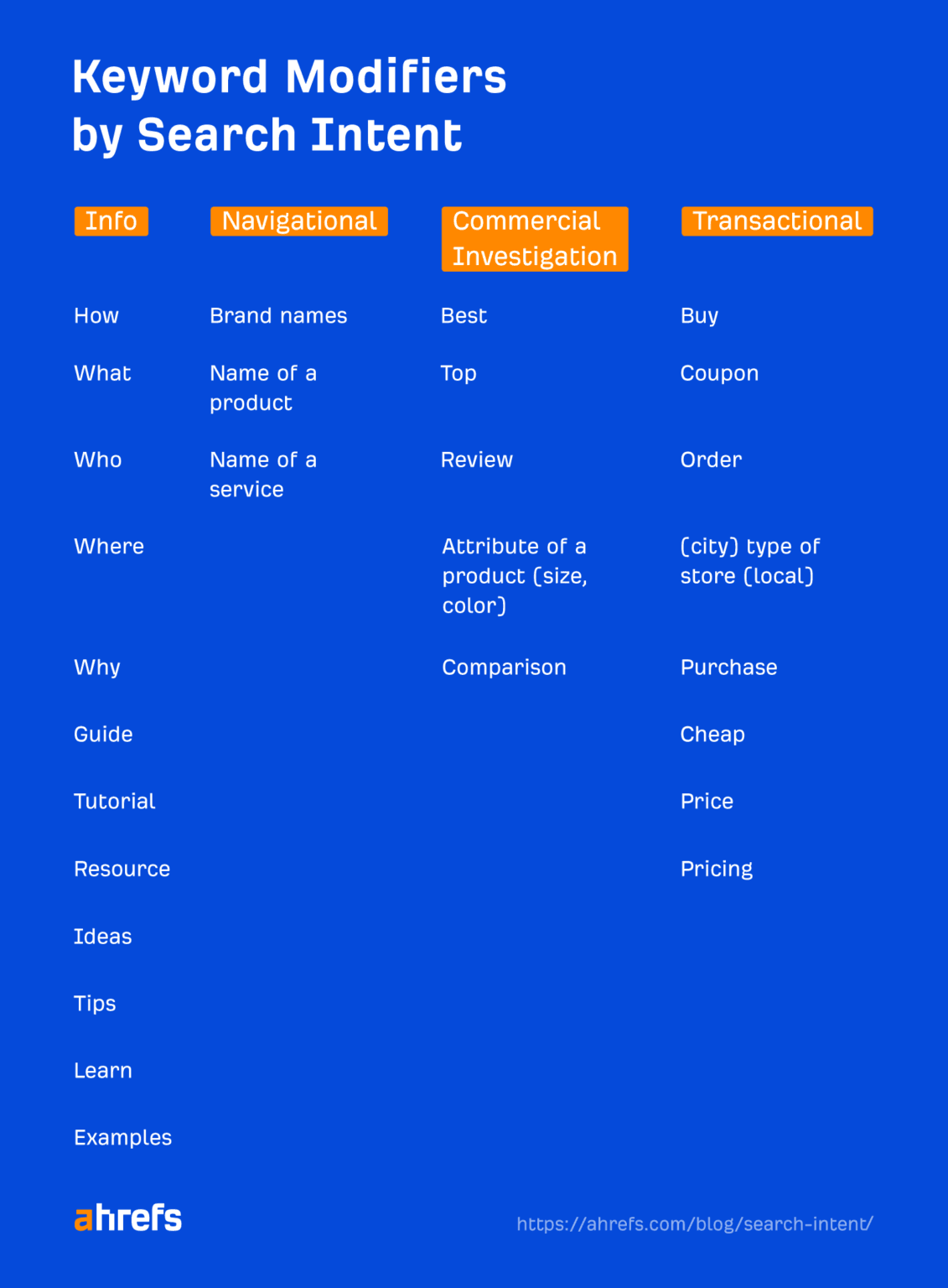
Understanding user intent transforms random keywords into strategic traffic drivers. Informational keywords like "how to create content calendar" capture users in the research phase, generating 14,800 monthly searches with educational intent. Commercial investigation keywords such as "best email marketing platforms comparison" attract users evaluating options, typically converting 3x better than purely informational terms. Transactional keywords like "buy social media scheduling tool" have lower search volume but convert at rates exceeding 15%. Balancing your keyword portfolio across these intent types creates a comprehensive funnel that captures users at every decision stage.
Keyword Difficulty and Competition Analysis
Analyzing competitor content reveals realistic ranking opportunities and required resources. Keywords with difficulty scores below 30 often represent the best opportunities for newer websites, like "small business social media tips" with 2,400 monthly searches and 28% difficulty. However, examining the top 10 results provides deeper insights than difficulty scores alone. If ranking pages have domain authority scores above 70 and contain 3,000+ word comprehensive guides, you'll need substantial resources to compete effectively, regardless of the difficulty score.
High-Volume Primary Keyword Examples That Drive Traffic
Primary keywords form the backbone of your SEO strategy, capturing broad audiences while establishing topical authority. These terms typically generate significant monthly search volume but require strategic implementation to overcome competition challenges.

Broad Match Keywords for Maximum Reach
Broad match keywords cast the widest net but demand comprehensive content strategies to rank effectively. "Digital marketing" generates 165,000 monthly searches but requires covering topics from social media to email campaigns. Successful ranking typically needs 15-20 supporting pages covering subtopics like "digital marketing for small business" (12,100 searches) and "digital marketing trends 2025" (3,200 searches). The key is creating topic clusters that demonstrate expertise across the entire subject area, not just targeting single broad terms.
Exact Match Keywords for Precision Targeting
Exact match targeting captures users with specific needs and higher conversion potential. "Best running shoes for flat feet" attracts 5,400 monthly searches from users with precise requirements, typically converting 40% better than generic "running shoes" searches. These keywords often indicate users have already completed initial research and are ready for detailed comparisons. Content targeting exact match keywords should directly answer the specific query with comprehensive product comparisons, expert recommendations, and clear purchasing guidance.
Phrase Match Keywords for Balanced Targeting
Phrase match keywords provide the optimal balance between search volume and targeting precision. "Social media marketing for small business" captures 8,100 monthly searches while maintaining focus on a specific audience segment. This approach allows natural language variations like "small business social media marketing tips" while preserving core intent. Phrase match keywords typically generate 25-30% higher engagement rates than broad match terms because they attract more qualified traffic with clearer expectations.
Long-Tail Keyword Examples for Targeted Traffic
Long-tail keywords represent the goldmine of SEO strategy, offering lower competition and higher conversion rates despite reduced search volume. These specific phrases capture users with precise intent and immediate needs.
Question-Based Long-Tail Keywords
Question-based keywords align perfectly with voice search trends and featured snippet opportunities. "What is the best CRM software for real estate agents" generates 720 monthly searches but attracts highly qualified prospects actively researching solutions. These keywords typically feature in 60% of voice searches and frequently trigger featured snippets, providing enhanced visibility. Content addressing question-based keywords should follow the inverted pyramid structure, providing direct answers in the first paragraph followed by detailed explanations and supporting evidence.
Location-Specific Long-Tail Keywords
Geographic targeting creates immediate conversion opportunities for local businesses and service providers. "Emergency plumber near Capitol Hill Denver" may only generate 40 monthly searches, but users searching this phrase need immediate services and typically contact the first relevant results. Local long-tail keywords often convert at rates exceeding 25% because they capture users with urgent, location-specific needs. The key is creating location pages that address specific neighborhood concerns and service areas rather than generic city-wide content.
Product-Specific Long-Tail Keywords
Highly specific product keywords capture users at the point of purchase decision. "Waterproof hiking boots for women size 8" attracts users who know exactly what they want and are ready to buy when they find the right option. These keywords typically have search volumes under 500 monthly searches but generate conversion rates above 20%. Product-specific long-tail keywords work best when supported by detailed specifications, customer reviews, and clear purchasing pathways that eliminate friction from the buying process.
Commercial Intent Keywords That Convert Visitors

Commercial intent keywords represent the highest-value targets in your SEO strategy, capturing users ready to make purchasing decisions. These terms typically generate lower search volume but deliver significantly higher conversion rates and customer lifetime value.
Buying Intent Keywords
Transactional keywords signal immediate purchase readiness and generate the highest ROI per visitor. "Buy organic coffee beans online" attracts 1,200 monthly searches from users with credit cards ready, typically converting at rates exceeding 18%. These keywords often include action words like "buy," "order," "purchase," or "hire." Successful targeting requires streamlined user experiences with clear calls-to-action, minimal checkout friction, and immediate value propositions. Content should focus on product benefits, pricing transparency, and trust signals rather than educational information.
Comparison Keywords
Comparison searches capture users in the final evaluation phase before making expensive decisions. "Shopify vs WooCommerce for online stores" generates 3,600 monthly searches from entrepreneurs seriously considering e-commerce platforms, with average customer values exceeding $2,000 annually. These users typically spend 15-20 minutes consuming comparison content and bookmark resources for future reference. Effective comparison content should provide objective analysis while subtly highlighting preferred options through case studies, feature comparisons, and implementation examples that demonstrate practical advantages.
Review and Rating Keywords
Review-focused searches indicate users seeking social proof before committing to purchases or services. "Mailchimp reviews from small business owners" attracts 890 monthly searches from prospects wanting relatable experiences rather than generic testimonials. These keywords typically convert 35% better than generic product searches because users have already shown serious interest. Content addressing review keywords should provide balanced perspectives with specific use cases, pricing analysis, and honest assessments of both strengths and limitations to build trust and credibility.
Pro Tip: Commercial intent keywords often work best when combined with urgency indicators like "2025," "best," or "top-rated" to capture users making immediate decisions.
The foundation you've built with these keyword examples creates the framework for a comprehensive SEO strategy that captures users at every stage of their journey, from initial awareness through final purchase decisions.
Seasonal and Trending Keyword Examples for Timely Content
Seasonal and trending keywords capitalize on predictable search patterns and current events to drive targeted traffic during peak interest periods. These keywords often experience dramatic search volume fluctuations, creating opportunities for businesses that plan content calendars strategically. Understanding seasonal trends allows you to prepare high-quality content before competition intensifies, while trending keywords help you capture immediate attention from current events and viral topics.
Holiday and Event-Based Keywords
Holiday keywords generate massive search spikes during specific periods, requiring strategic content preparation months in advance. "Christmas gift ideas for tech lovers 2025" demonstrates perfect seasonal targeting with commercial intent. This keyword typically sees search volume increase by 400% between October and December, making early content preparation essential for ranking success.
"Valentine's Day restaurant reservations near me" combines holiday timing with local intent and urgency. Search volume for this keyword peaks exactly two weeks before Valentine's Day, creating a narrow but highly profitable window. Restaurants and booking platforms targeting this keyword often see conversion rates exceeding 25% due to the specific timing and intent.
"Black Friday laptop deals under $500" represents event-specific commercial keywords with clear price parameters. These searches increase by over 800% during the week of Black Friday, but competition becomes fierce. Success requires comprehensive product comparisons, real-time price updates, and mobile-optimized content for shoppers making quick decisions.
Weather and Climate-Related Keywords
Seasonal weather patterns create predictable keyword opportunities that many businesses overlook. "Best air conditioners for small apartments 2025" sees search volume increase by 300% during spring months as consumers prepare for summer heat. HVAC companies and appliance retailers can capture early-season shoppers before peak summer demand drives up competition and advertising costs.
"Snow removal services near me emergency" demonstrates weather-dependent local keywords with high urgency. These searches spike dramatically during unexpected snowstorms, creating opportunities for service providers to capture immediate business. The emergency aspect indicates users willing to pay premium prices for immediate service availability.
"Drought-resistant landscaping ideas for California" combines climate awareness with geographic specificity. This keyword reflects long-term environmental trends, making it valuable for sustained content strategies. Landscaping businesses targeting these terms often attract environmentally conscious customers willing to invest in sustainable solutions.
Fashion and Lifestyle Trend Keywords
Fashion keywords must balance evergreen appeal with current trend awareness to maintain long-term value. "Sustainable fashion brands for millennials 2025" captures both environmental consciousness and demographic targeting. This keyword reflects the growing intersection of sustainability and fashion, with search volume increasing 150% year-over-year as consumer awareness grows.
"Work from home office setup ideas minimalist" combines workplace trends with design preferences. Remote work normalization has made this keyword consistently valuable, with searches remaining 200% higher than pre-2020 levels. Interior designers and furniture retailers can capture audiences seeking functional yet aesthetically pleasing home office solutions.
"Plant-based meal prep for busy professionals" demonstrates lifestyle trend intersection with practical needs. The plant-based movement continues growing, with related keywords seeing 180% search volume increases over two years. Food bloggers and meal delivery services can attract health-conscious professionals seeking convenient nutrition solutions.
Local SEO Keyword Examples for Geographic Targeting

Local SEO keywords connect businesses with nearby customers actively seeking products or services in specific geographic areas. These keywords typically have lower search volumes but significantly higher conversion rates, as users searching with location intent often need immediate solutions. Geographic targeting becomes increasingly important as mobile searches continue growing, with over 76% of local searches resulting in store visits within 24 hours.
City and Neighborhood-Specific Keywords
Hyperlocal keywords targeting specific neighborhoods often outperform broader city-wide terms for small businesses. "Coffee shops in Capitol Hill Seattle" captures users seeking specific neighborhood experiences rather than general city recommendations. These searches indicate familiarity with local areas and often come from residents or frequent visitors with higher lifetime customer value.
"Emergency dentist in downtown Portland Oregon" combines service urgency with precise location targeting. Users searching these terms need immediate care within specific areas, making them extremely valuable prospects. Dental practices ranking for such keywords often see phone calls within minutes of users finding their listings.
"Wedding venues in Napa Valley under $10000" demonstrates how location prestige can be combined with budget parameters. The specific price point helps qualify leads while the prestigious location attracts couples planning significant celebrations. Venues targeting these keywords can pre-qualify inquiries and focus sales efforts on serious prospects.
Service Area and Radius-Based Keywords
Service area keywords help businesses capture customers throughout their operational territory without diluting geographic focus. "Lawn care services within 20 miles of Austin Texas" targets customers understanding service limitations while maintaining broad geographic appeal. This approach helps service businesses balance lead volume with operational efficiency.
"Moving companies serving San Francisco Bay Area" captures users needing services across multiple connected cities. Regional terminology like "Bay Area" or "Triangle" demonstrates local knowledge while expanding potential customer base beyond single city limits. Moving companies can attract customers relocating between area cities while maintaining local credibility.
"HVAC repair same day service Orange County California" combines service speed with county-level targeting. This geographic scope balances specificity with coverage area, helping service providers capture urgent needs across suburban markets. The same-day promise differentiates from competitors while county specification maintains local relevance.
"Near Me" and Proximity-Based Keywords
"Near me" searches represent the fastest-growing segment of local keywords, increasing 150% annually as mobile usage expands. "Italian restaurants near me open now" demonstrates how users combine proximity with immediate availability requirements. These searches often happen during meal times and result in immediate visits, making them extremely valuable for restaurants and food service businesses.
"Auto repair shops near me with good reviews" shows how users combine location with quality indicators. The review specification demonstrates that proximity alone isn't sufficient – users want nearby options with proven quality. Businesses ranking for these terms must maintain strong review profiles alongside local SEO optimization.
"Urgent care clinics near me accepting walk-ins" represents high-intent medical searches with immediate need indicators. These keywords often generate phone calls and visits within hours, making them crucial for healthcare providers. The urgency combined with proximity creates ideal conditions for capturing patients needing immediate medical attention.
Common Keyword Mistakes to Avoid in Your SEO Strategy
Understanding keyword pitfalls prevents wasted effort and helps focus optimization energy on strategies that actually drive results. Many businesses make predictable keyword mistakes that limit their SEO success, from targeting impossibly competitive terms to ignoring user intent signals. Recognizing these common errors early in your SEO journey saves months of ineffective optimization while building foundations for sustainable organic growth.
Keyword Stuffing and Over-Optimization
Keyword stuffing remains one of the most damaging SEO mistakes, often resulting in search engine penalties rather than improved rankings. Modern search algorithms easily detect unnatural keyword repetition, with Google's algorithms specifically designed to identify and penalize content that prioritizes keyword density over user value. Pages with keyword density exceeding 3-4% often see ranking decreases rather than improvements.
"Best pizza best pizza restaurant best pizza delivery best pizza near me" represents obvious keyword stuffing that provides no user value. Instead, natural language like "Our restaurant offers the best pizza in downtown, with fresh ingredients and fast delivery throughout the metro area" incorporates keywords while maintaining readability and usefulness.
Over-optimization extends beyond keyword density to include excessive exact-match anchor text, repetitive title tags, and forced keyword placement in inappropriate contexts. Search engines now prioritize content that reads naturally while addressing user needs, making authentic, helpful content more valuable than keyword-optimized but poorly written material.
Ignoring Search Intent and User Behavior
Targeting keywords without understanding user intent leads to high bounce rates and poor conversion performance, even when rankings improve. Users searching "digital camera" might want product reviews, purchasing options, or technical specifications – creating content that doesn't match their specific intent wastes both user time and business resources.
Informational intent keywords like "how to bake bread" should lead to comprehensive tutorials, not product sales pages. Conversely, commercial keywords like "buy stand mixer online" should connect users with purchasing options, not lengthy educational content. Mismatched intent typically results in bounce rates exceeding 80% and minimal conversion activity.
Search behavior analysis reveals that users often search multiple related terms before making decisions. "Digital camera reviews" might be followed by "Canon vs Nikon comparison" and then "buy Canon EOS R6 best price." Understanding these search journeys helps create content that serves users at appropriate decision-making stages rather than forcing premature conversion attempts.
Targeting Keywords That Are Too Competitive
New websites attempting to rank for extremely competitive keywords often waste months of optimization effort with minimal results. Keywords like "insurance," "loans," or "credit cards" require domain authority and content depth that takes years to develop. Targeting these terms immediately typically results in pages ranking beyond position 50, generating virtually no organic traffic.
Keyword difficulty scores above 70 generally require established domain authority, extensive content libraries, and significant link building investments. Small businesses and new websites achieve better results targeting difficulty scores below 30, gradually building authority before attempting more competitive terms. A local insurance agency should target "auto insurance agents in Springfield" rather than competing for "car insurance" nationally.
Competition analysis should examine not just difficulty scores but also the resources required to compete effectively. If top-ranking pages have 3,000+ words, dozens of high-authority backlinks, and multimedia content, matching that investment becomes necessary for ranking success. Sometimes targeting adjacent keywords with lower competition provides better ROI than attempting to outrank established competitors.
Neglecting Long-Tail Keyword Opportunities
Focusing exclusively on high-volume head terms while ignoring long-tail keywords eliminates opportunities for easier rankings and higher conversion rates. Long-tail keywords typically have 10-15% of head term search volume but convert at rates 2-3 times higher due to their specificity. "Running shoes" generates massive search volume but "best running shoes for plantar fasciitis women size 9" indicates much clearer purchase intent.
Long-tail keywords also face significantly less competition, making them ideal for newer websites building authority. While "fitness equipment" requires competing against major retailers and manufacturers, "home gym equipment for small apartments under $500" targets a specific audience with clearer needs and budget parameters.
Pro Tip: Long-tail keywords often reveal customer pain points and specific needs that can inform product development and content strategy beyond SEO benefits.
The cumulative effect of ranking for multiple long-tail keywords often exceeds the traffic potential of single competitive head terms. Twenty long-tail keywords each generating 50 monthly visits creates 1,000 monthly visitors, often with higher engagement and conversion rates than broader traffic sources.
Advanced Keyword Research Tools and Techniques

Modern keyword research extends far beyond simple brainstorming sessions. Today's successful SEO strategies rely on sophisticated tools and methodologies that reveal hidden opportunities and competitive advantages. Understanding which tools to use and how to interpret their data can transform your keyword strategy from guesswork into a precise science.
Professional Keyword Research Platforms
SEMrush and Ahrefs represent the gold standard for comprehensive keyword analysis. These platforms provide detailed metrics including search volume, keyword difficulty, cost-per-click data, and competitive analysis. SEMrush excels at competitor research, showing which keywords drive traffic to rival websites. Ahrefs offers superior backlink analysis alongside keyword data, making it invaluable for understanding why certain pages rank well.
Google Keyword Planner remains essential for PPC-focused keyword research, providing accurate search volume data directly from Google's advertising platform. While primarily designed for advertisers, the tool offers valuable insights for organic SEO strategies. Ubersuggest provides a budget-friendly alternative with user-friendly interfaces and solid keyword suggestions, making it perfect for small businesses and individual marketers.
Free Tools for Budget-Conscious Marketers
Google Search Console provides the most accurate data about your website's current keyword performance. The Search Performance report reveals which queries already drive traffic to your site, along with click-through rates and average positions. This data helps identify underperforming keywords that could benefit from optimization efforts.
AnswerThePublic generates hundreds of question-based keywords by analyzing autocomplete data from search engines. This tool excels at revealing long-tail opportunities that align with voice search trends. Google Trends helps identify seasonal patterns and emerging topics, allowing you to time content creation for maximum impact. The tool also provides geographic insights, showing where specific keywords perform best.
Advanced Research Techniques
Competitor gap analysis reveals keyword opportunities your rivals are missing. By comparing your keyword profile against multiple competitors, you can identify high-value terms that nobody in your industry is targeting effectively. This technique often uncovers profitable niches with lower competition levels.
Search suggestion mining involves systematically exploring Google's autocomplete suggestions, "People also ask" boxes, and related searches. This manual technique reveals natural language patterns and emerging query variations. Social media listening tools like Hootsuite or Sprout Social can identify trending topics and conversations that haven't yet translated into high search volumes, providing early-mover advantages.
Common Keyword Mistakes to Avoid in Your SEO Strategy
Understanding what not to do is often as valuable as learning best practices. Many websites struggle with SEO because they make fundamental keyword mistakes that undermine their entire optimization strategy. These errors can waste months of effort and thousands of dollars in lost opportunities.
Keyword Stuffing and Over-Optimization
Excessive keyword repetition creates poor user experiences and triggers Google penalties. Modern search algorithms easily detect unnatural keyword density and can demote pages that prioritize search engines over human readers. The ideal keyword density typically ranges between 1-2% of total content, but natural usage matters more than exact percentages.
Synonyms and related terms provide better optimization opportunities than keyword repetition. Google's semantic understanding means that pages using varied vocabulary often rank better than those repeating exact phrases. Focus on topic comprehensiveness rather than keyword frequency. Write naturally and let keywords emerge organically from thorough topic coverage.
Ignoring Search Intent Alignment
Mismatched content and search intent leads to high bounce rates and poor rankings. Users searching for "best running shoes" want product comparisons, not detailed manufacturing processes. Google tracks user behavior signals and demotes pages that don't satisfy search intent, regardless of technical optimization quality.
Analyze top-ranking pages for your target keywords to understand what users actually want. If product pages dominate results, create commercial content. If blog posts rank highest, focus on informational content. Mixed results suggest opportunities for comprehensive pages that address multiple intent types within single pieces of content.
Neglecting Long-Tail Opportunities
Focusing exclusively on high-volume keywords ignores easier ranking opportunities with better conversion rates. While "digital marketing" receives millions of searches monthly, "digital marketing services for law firms" faces less competition and attracts more qualified prospects. Long-tail keywords often indicate higher purchase intent and generate superior ROI despite lower traffic volumes.
Small businesses particularly benefit from long-tail strategies because they lack the authority to compete for broad terms. Geographic modifiers, industry specifications, and problem-specific phrases create manageable competition levels while attracting highly targeted audiences ready to engage with your content or services.
FAQ
Q: How many keywords should I target per page for optimal SEO results?
Focus on one primary keyword and 2-3 closely related secondary keywords per page. This approach allows for natural content development while maintaining clear topical focus that search engines can easily understand and rank.
Q: What's the difference between short-tail and long-tail keywords in practice?
Short-tail keywords contain 1-2 words with high search volume but intense competition, like "shoes" or "marketing." Long-tail keywords use 3+ words with lower volume but higher conversion rates, such as "waterproof hiking boots for women."
Q: How often should I update my keyword strategy and research?
Conduct comprehensive keyword research quarterly, with monthly reviews of performance metrics. Search trends evolve rapidly, and regular updates ensure your strategy remains aligned with changing user behavior and market conditions.
Q: Can I use the same keywords across multiple pages on my website?
Avoid targeting identical keywords across multiple pages to prevent internal competition. Instead, create keyword clusters where related pages target variations of core themes, supporting each other rather than competing for rankings.
Q: What tools provide the most accurate keyword search volume data?
Google Keyword Planner offers the most reliable search volume data since it comes directly from Google's advertising platform. However, combine this with SEMrush or Ahrefs for competitive analysis and keyword difficulty assessments.
Q: How do I identify keyword cannibalization issues on my website?
Use Google Search Console to identify pages competing for the same keywords. Look for multiple URLs ranking for identical queries, then consolidate content or differentiate keyword targets to eliminate internal competition.
Q: What's the ideal keyword difficulty score for new websites to target?
New websites should focus on keywords with difficulty scores below 30 on most platforms. This provides realistic ranking opportunities while building domain authority and content depth needed for more competitive terms.
Q: How do voice search trends affect keyword strategy in 2025?
Voice searches tend to be longer and more conversational, emphasizing question-based keywords and natural language patterns. Optimize for phrases people actually speak rather than type, focusing on complete sentences and local intent.
Q: Should I prioritize search volume or keyword difficulty when selecting targets?
Balance both metrics alongside business relevance. A moderately difficult keyword highly relevant to your business often provides better ROI than an easy keyword that attracts the wrong audience or a high-volume term you can't realistically rank for.
Q: How do I track keyword performance and measure SEO success effectively?
Monitor rankings, organic traffic, and conversion rates for target keywords using Google Search Console, Google Analytics, and rank tracking tools. Focus on business metrics like leads and sales rather than just rankings and traffic volume.
Q: What's the relationship between keywords and content length for SEO?
Longer content typically allows for more comprehensive keyword coverage and better user satisfaction. However, content length should serve user needs rather than keyword targets. Focus on thorough topic coverage that naturally incorporates relevant terms.
Q: How do seasonal trends impact keyword selection and content planning?
Analyze historical search data to identify seasonal patterns in your industry. Plan content 2-3 months ahead of peak seasons, and create evergreen content that maintains relevance year-round while capitalizing on predictable search spikes.
Conclusion
Mastering the art and science of keyword selection transforms your SEO strategy from random content creation into a targeted system that drives qualified traffic and generates real business results. The examples of keywords for SEO we've explored demonstrate how different keyword types serve specific purposes in your overall digital marketing strategy, from broad awareness-building terms to highly specific conversion-focused phrases.
The key takeaways from effective keyword strategy include:
- Diversify your keyword portfolio across different intent types and competition levels for sustainable growth
- Prioritize user intent alignment over search volume to improve engagement and conversion rates
- Leverage long-tail opportunities that offer easier rankings and higher-quality traffic for your business
- Continuously monitor and adapt your keyword strategy based on performance data and market changes
The future of keyword optimization lies in understanding user behavior patterns, voice search evolution, and AI-powered search experiences. As search engines become more sophisticated at understanding context and intent, successful SEO strategies will focus less on exact-match optimization and more on comprehensive topic coverage that serves user needs across multiple search scenarios.
Partner with Our Company for Success
The keyword research techniques, competitive analysis methods, and intent-based targeting strategies covered in this guide require significant time investment and technical expertise to implement effectively. Many businesses struggle with identifying the right keyword opportunities, avoiding over-optimization penalties, and creating content that balances SEO requirements with user experience. Our company specializes in comprehensive SEO strategies that transform keyword research insights into traffic-generating content systems. We handle everything from competitive keyword gap analysis and search intent mapping to content optimization and performance tracking. Our team combines advanced keyword research tools with industry expertise to identify profitable opportunities your competitors are missing. Contact our company today to develop a data-driven keyword strategy that drives qualified traffic and measurable business growth for your website.