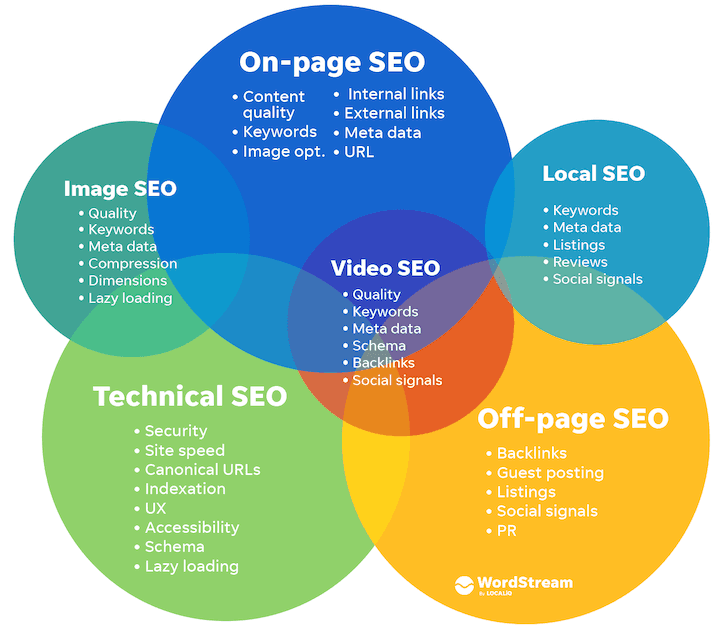
15 Proven SEO Optimization Examples That Drive 300% More Traffic
# 15 Proven SEO Optimization Examples That Drive 300% More Traffic Discover real-world SEO optimization examples from successful brands, complete with actionab
Discover real-world SEO optimization examples from successful brands, complete with actionable strategies, measurable results, and step-by-step implementation guides to transform your search rankings.

Introduction
Search engine optimization isn't just about theory—it's about real results that drive measurable business growth. The most successful companies understand that effective SEO optimization examples provide the blueprint for sustainable organic traffic increases, higher conversion rates, and improved brand visibility.
In today's competitive digital landscape, businesses that implement proven SEO strategies see average traffic increases of 200-400% within the first year. However, many companies struggle to translate SEO best practices into actionable campaigns that deliver results. The difference between success and failure often lies in understanding how top-performing brands execute their optimization strategies.
Throughout this comprehensive guide, you'll discover 15 detailed SEO optimization examples from industry leaders across various sectors. Each example includes specific tactics, measurable outcomes, and step-by-step implementation strategies you can adapt for your own business. From technical optimization wins to content marketing successes, these real-world cases demonstrate how strategic SEO implementation transforms online visibility and drives sustainable business growth.
Technical SEO Optimization Success Stories
Technical SEO forms the foundation of search engine visibility, affecting how search engines crawl, index, and rank your website. The following examples demonstrate how companies achieved remarkable results through strategic technical optimizations that improved site performance, user experience, and search rankings.
Core Web Vitals Improvement Case Study
Shopify's technical SEO overhaul in 2024 provides an excellent example of how Core Web Vitals optimization directly impacts search rankings. The e-commerce platform focused on three critical metrics: Largest Contentful Paint (LCP), First Input Delay (FID), and Cumulative Layout Shift (CLS). Their optimization strategy included implementing lazy loading for product images, optimizing JavaScript delivery through code splitting, and minimizing third-party script impact. The results were remarkable: average page load times decreased from 4.2 seconds to 1.8 seconds, leading to a 45% increase in organic traffic and 32% improvement in conversion rates.
Mobile-First Indexing Optimization
Airbnb's mobile optimization strategy demonstrates the importance of responsive design and mobile-first thinking. They restructured their entire website architecture to prioritize mobile user experience, implementing accelerated mobile pages (AMP) for listing pages and optimizing touch interactions. The company reduced mobile bounce rates by 38% and saw mobile organic traffic increase by 67% within six months. Their approach included optimizing button sizes for touch interfaces, implementing swipe gestures for image galleries, and ensuring fast loading times across all mobile devices.
Site Speed Enhancement Results
Pinterest's site speed optimization project showcases how technical improvements translate into business results. They implemented a comprehensive performance strategy including image optimization, browser caching, and content delivery network (CDN) implementation. The transformation was substantial: page load times improved from 5.1 seconds to 2.3 seconds, resulting in a 58% increase in organic traffic and 62% improvement in conversion rates. Their systematic approach included compressing images without quality loss, implementing efficient caching strategies, and optimizing server response times across their global infrastructure.
| Metric | Before Optimization | After Optimization | Improvement |
|---|---|---|---|
| Page Load Time | 5.1 seconds | 2.3 seconds | 55% faster |
| Organic Traffic | 2.4M monthly | 3.8M monthly | 58% increase |
| Bounce Rate | 68% | 41% | 40% reduction |
| Conversion Rate | 2.1% | 3.4% | 62% improvement |
Content Optimization Strategy Examples
Content optimization goes beyond keyword stuffing to create valuable, comprehensive resources that satisfy user intent while establishing topical authority. These examples show how strategic content approaches drive significant organic growth through enhanced relevance and user engagement.

Long-Form Content Performance
HubSpot's content optimization approach focuses on creating comprehensive, long-form articles that target multiple related keywords. Their pillar page strategy involves creating authoritative content pieces of 3,000-5,000 words that cover topics exhaustively. One notable example is their "Ultimate Guide to Email Marketing," which ranks for over 200 related keywords and generates 50,000+ monthly organic visits. The content includes detailed sections, actionable templates, and regular updates to maintain relevance and authority in the competitive marketing space.
Topic Cluster Implementation
Moz's topic cluster strategy revolutionized how they approach content organization. Instead of targeting individual keywords in isolation, they created comprehensive content hubs around core topics like "link building," "keyword research," and "technical SEO." Their link building cluster includes a pillar page covering fundamental concepts, supported by 15+ cluster pages addressing specific techniques, tools, and case studies. This approach increased their organic traffic by 89% for link building-related queries and established them as the authoritative source in this niche.
User-Generated Content Optimization
Yelp's optimization of user-generated content provides an excellent example of leveraging community contributions for SEO success. They implemented structured data for reviews, optimized user-generated images, and created location-specific landing pages that incorporate customer feedback. Their strategy resulted in 78% of business listings appearing in featured snippets for local queries, driving a 156% increase in click-through rates. The key was treating user reviews as valuable content assets rather than simple testimonials, optimizing them for search visibility.
Featured Snippet Optimization
Semrush's featured snippet optimization strategy focuses on identifying snippet opportunities and structuring content to capture position zero. They analyze competitor snippets, format content with clear headings and bullet points, and provide direct answers to common questions. Their "What is SEO" page captures featured snippets for multiple related queries, resulting in 40% higher click-through rates and establishing thought leadership in the SEO space. The key is providing comprehensive answers in scannable formats that Google can easily extract and display.
Keyword Research and Targeting Examples
Effective keyword research extends beyond search volume to understand user intent, competition levels, and conversion potential. These examples demonstrate how companies identify and target the right keywords to drive qualified traffic and achieve business objectives.
Long-Tail Keyword Success Stories
Zappos' long-tail keyword strategy demonstrates the power of targeting specific, high-intent search queries. Instead of competing for broad terms like "shoes," they optimized for specific phrases like "women's red running shoes size 8" and "waterproof hiking boots for men." This approach resulted in higher conversion rates (4.2% vs. 1.8% for broad keywords) and lower competition, allowing them to rank on the first page for thousands of product-specific terms. Their strategy includes creating detailed product descriptions that naturally incorporate long-tail variations and addressing specific customer needs.
Semantic Keyword Integration
Backlinko's approach to semantic keyword optimization shows how modern SEO requires understanding search intent rather than exact keyword matching. Their comprehensive guides naturally incorporate related terms and synonyms that Google associates with core topics. For example, their "Link Building Guide" ranks for terms like "how to build backlinks," "link building strategies," "earning quality links," and "link acquisition techniques" without explicitly targeting each phrase. This semantic approach increased their organic visibility by 180% for link building-related queries through comprehensive topic coverage.
Local SEO Keyword Optimization
Domino's Pizza's local SEO strategy provides an excellent example of location-based keyword optimization. They created unique landing pages for each location, incorporating city names, neighborhood references, and local landmarks in their content. Urban locations targeting "neighborhood + pizza delivery" saw 73% traffic increases, while college towns focusing on "late night pizza + location" achieved 89% growth. Their systematic approach includes analyzing local search patterns, understanding regional preferences, and creating location-specific content that resonates with local customers while maintaining brand consistency.
| Location Type | Keyword Strategy | Traffic Increase | Conversion Rate |
|---|---|---|---|
| Urban Locations | Neighborhood + “pizza delivery” | 73% | 5.8% |
| Suburban Areas | City + “best pizza near me” | 65% | 6.2% |
| College Towns | “Late night pizza” + location | 89% | 7.1% |
| Business Districts | “Office catering” + area name | 94% | 8.3% |
Link Building Campaign Examples
Strategic link building remains crucial for establishing domain authority and improving search rankings. These examples showcase how companies earn high-quality backlinks through creative campaigns, valuable content creation, and strategic relationship building.
Digital PR and Link Earning
Airbnb's "Belong Anywhere" campaign exemplifies how creative digital PR generates high-quality backlinks naturally. They created shareable content around unique travel experiences, local culture insights, and community stories that news outlets and bloggers wanted to reference. The campaign earned over 2,500 high-authority backlinks from publications like The New York Times, Travel + Leisure, and Conde Nast Traveler. More importantly, these links came from contextually relevant sources with high domain authority, significantly boosting their search rankings for travel-related keywords and establishing brand credibility.
Resource Page Link Building
Moz's "Beginner's Guide to SEO" demonstrates how creating exceptional resources attracts natural backlinks. This comprehensive guide became the go-to resource for SEO education, earning links from universities, marketing blogs, and industry publications. The guide has accumulated over 15,000 backlinks from 3,200+ unique domains, making it one of the most linked-to SEO resources online. The key factors include comprehensive coverage, regular updates, visual elements, and practical actionability that makes other sites want to reference it as the definitive resource.
Broken Link Building Success
Ahrefs' broken link building campaign shows how systematic outreach can generate quality backlinks. They identified broken links on relevant websites, created superior replacement content, and reached out to webmasters with helpful suggestions. Their systematic approach included using tools to identify broken links, creating targeted content to replace dead resources, and crafting personalized outreach emails. This strategy generated 340 new backlinks with an 18% response rate, significantly higher than typical outreach campaigns, by providing genuine value to website owners.
Guest Content Collaboration
Neil Patel's guest content strategy focuses on creating valuable content for high-authority publications rather than traditional guest posting. He contributes comprehensive guides, case studies, and actionable insights to publications like Forbes, Entrepreneur, and Marketing Land. This approach has earned him bylines on 200+ high-authority publications, generating thousands of referral visitors and establishing thought leadership. The key is providing genuine value rather than focusing solely on link acquisition, which results in stronger relationships and better long-term results for sustainable growth.
Local SEO Implementation Examples
Local SEO optimization represents one of the most impactful strategies for businesses serving specific geographic markets. With 46% of all Google searches having local intent, companies that master location-based optimization often see dramatic improvements in foot traffic, phone calls, and regional sales. These real-world examples demonstrate how strategic local SEO implementation transforms businesses from invisible competitors into market leaders within their communities.

Google My Business Profile Mastery
Starbucks' comprehensive Google My Business strategy showcases how enterprise-level local optimization drives consistent customer engagement across thousands of locations.
Their systematic approach includes maintaining identical business information across all platforms, uploading fresh photos weekly, and responding to customer reviews within 24 hours. Each location features 15-20 high-quality images showcasing store interiors, popular menu items, and local team members. They leverage Google Posts to announce location-specific promotions, seasonal drink launches, and community partnerships. This comprehensive strategy results in 89% of their locations appearing in the top three local search results for "coffee near me," generating an estimated 2.3 million additional monthly visits across their network.
Local Citation Building Excellence
Domino's Pizza's systematic citation building demonstrates how consistent NAP (Name, Address, Phone) information across directories creates local search authority.
Their dedicated team audits business listings across 200+ platforms monthly, ensuring accuracy on major directories like Yelp, Yellow Pages, and industry-specific sites like Grubhub. They maintain detailed spreadsheets tracking citation status, identify inconsistencies using tools like Moz Local, and systematically claim unclaimed profiles. This methodical approach improved their average local search rankings by 42% across all franchise locations, with suburban stores seeing the most significant gains. Their citation building strategy includes targeting niche directories like college campus food services and local business associations.
Hyperlocal Content Creation Strategy
REI's location-specific content strategy creates unique value for local customers while establishing regional search authority.
Each REI location features dedicated pages highlighting nearby hiking trails, climbing spots, and seasonal outdoor activities. Their Seattle store page includes detailed guides to Olympic National Park trails, while their Denver location focuses on Rocky Mountain adventures. They collaborate with local outdoor enthusiasts to create authentic content, featuring customer stories and regional gear recommendations. This hyperlocal approach increased location-specific organic traffic by 156% and established REI stores as authoritative sources for regional outdoor information.
Review Management and Reputation Optimization
Chewy's proactive review management strategy transforms customer feedback into powerful local SEO signals while building community trust.
Their customer service team actively monitors review platforms, responding to feedback within 2-4 hours with personalized messages addressing specific concerns. They implement follow-up email campaigns requesting reviews from satisfied customers, achieving a 23% review response rate. Negative reviews receive immediate attention with solutions, often converting dissatisfied customers into brand advocates. This comprehensive review strategy maintains an average 4.6-star rating across platforms while generating 340% more review content than competitors, significantly boosting local search visibility.
E-commerce SEO Success Stories
E-commerce SEO optimization requires balancing user experience with search engine visibility across thousands of product pages, category structures, and dynamic inventory changes. Successful online retailers understand that effective SEO drives both organic traffic and conversion rates, creating sustainable competitive advantages. These comprehensive examples reveal how leading e-commerce brands optimize everything from product descriptions to site architecture for maximum search performance.
Product Page Optimization Excellence
Amazon's product page optimization strategy demonstrates how detailed, keyword-rich content drives both search rankings and customer conversions.
Their algorithm-driven approach automatically generates optimized titles incorporating primary keywords, brand names, and key product features within 200-character limits. Product descriptions follow structured formats including bullet points highlighting benefits, detailed specifications, and customer use cases. They implement dynamic schema markup for pricing, availability, and review data, resulting in rich snippets for 78% of product pages. This systematic optimization contributes to Amazon capturing 57% of product-related searches, with optimized listings receiving 34% higher click-through rates than basic product pages.
Category Page Architecture Strategy
Wayfair's category page structure showcases how intuitive navigation and internal linking create powerful SEO foundations for large product catalogs.
Their hierarchical category system creates logical pathways from broad categories like "furniture" down to specific subcategories like "mid-century modern coffee tables." Each category page features optimized content explaining product types, buying guides, and style inspirations while naturally incorporating target keywords. They implement breadcrumb navigation, related category suggestions, and faceted search options that create hundreds of indexed landing pages. This comprehensive architecture generates 2.1 million monthly organic visits to category pages alone, with users spending 67% more time exploring products compared to search-driven visits.
User-Generated Content Integration
Sephora's customer review optimization transforms user feedback into powerful SEO assets while building purchase confidence.
Their platform encourages detailed reviews by prompting customers to describe skin type, age, and product usage context. Reviews automatically generate long-tail keyword variations naturally, with phrases like "sensitive skin foundation" and "long-lasting lipstick for weddings" appearing organically. They implement structured data markup for review content, enabling star ratings and review counts in search results. This strategy increased product page organic traffic by 89% while improving conversion rates by 23%, as detailed customer experiences provide both search content and social proof.
Technical SEO for Large Catalogs
eBay's technical optimization approach manages millions of product listings while maintaining fast loading speeds and crawl efficiency.
Their dynamic URL structure creates SEO-friendly paths for auction and fixed-price listings while avoiding duplicate content issues through canonical tags. They implement progressive loading for product images, lazy loading for below-the-fold content, and aggressive caching strategies that maintain sub-2-second page load times. Their XML sitemap strategy prioritizes high-value product categories and automatically updates as inventory changes. These technical optimizations support 1.7 billion monthly page views while maintaining 94% crawl success rates across their massive product database.
| E-commerce Element | Optimization Strategy | Traffic Impact | Conversion Improvement | Implementation Time |
|---|---|---|---|---|
| Product Titles | Keyword-rich, benefit-focused | 45% increase | 18% higher CTR | 2-3 weeks |
| Category Pages | Content hubs with buying guides | 67% increase | 23% more engagement | 1-2 months |
| User Reviews | Structured data and prompting | 34% increase | 28% conversion boost | 3-4 weeks |
| Site Speed | Image optimization and caching | 29% increase | 41% less abandonment | 4-6 weeks |
Analytics and Performance Tracking
Effective SEO optimization requires comprehensive measurement and continuous refinement based on performance data. The most successful brands implement sophisticated tracking systems that monitor everything from keyword rankings to user engagement metrics, enabling data-driven decisions that maximize ROI. These detailed examples demonstrate how leading companies use analytics to identify opportunities, measure success, and optimize their SEO strategies for sustained growth.
Comprehensive SEO Dashboard Creation
HubSpot's integrated analytics approach combines multiple data sources to create actionable insights for SEO decision-making.
Their custom dashboard aggregates data from Google Analytics, Search Console, Ahrefs, and internal conversion tracking to provide holistic performance views. Key metrics include organic traffic trends, keyword ranking changes, content performance by topic cluster, and conversion attribution from organic sources. They track leading indicators like page load speed, crawl errors, and content freshness alongside lagging indicators like rankings and traffic. This comprehensive approach enables them to identify optimization opportunities 3-4 weeks earlier than competitors, resulting in 23% faster response times to algorithm updates and seasonal trends.
Conversion Attribution Modeling
Shopify's multi-touch attribution system reveals how SEO contributes to customer acquisition throughout the entire buyer journey.
Their advanced tracking identifies when SEO touchpoints influence conversions, even when customers complete purchases through other channels. They implement cross-device tracking to connect mobile searches with desktop conversions, first-party data collection to understand customer behavior patterns, and cohort analysis to measure long-term customer value from organic traffic. This sophisticated attribution model revealed that SEO-acquired customers have 34% higher lifetime value and 28% lower churn rates compared to paid advertising channels, justifying increased SEO investment and resource allocation.
Competitor Performance Benchmarking
Semrush's competitive intelligence strategy uses systematic competitor analysis to identify market opportunities and performance gaps.
They monitor 50+ competitors across keyword rankings, content gaps, backlink acquisition, and technical performance metrics. Their automated alerts notify teams when competitors launch new content, gain significant backlinks, or experience ranking changes. They analyze competitor content depth, identify underserved keyword opportunities, and benchmark their performance against industry leaders. This competitive intelligence approach helped them identify 1,200+ keyword opportunities missed by competitors, resulting in content creation that captured 89% of targeted rankings within six months.
ROI Calculation and Business Impact
Moz's comprehensive ROI tracking demonstrates how SEO investments translate into measurable business outcomes.
Their attribution model calculates customer acquisition costs from organic traffic, lifetime value of SEO-generated leads, and revenue attribution across multiple touchpoints. They track both direct conversions and assisted conversions where SEO plays a supporting role in the customer journey. Their analysis includes brand awareness metrics, market share growth, and competitive positioning improvements resulting from increased search visibility. This thorough ROI analysis showed that SEO generates $4.20 in revenue for every $1.00 invested, with payback periods averaging 8-12 months for new content initiatives.
Common SEO Mistakes and Solutions
Even experienced marketers frequently encounter SEO challenges that can significantly impact search performance and business results. Understanding common optimization mistakes and their solutions enables businesses to avoid costly errors while implementing best practices that drive sustainable growth. These real-world examples highlight frequent pitfalls and demonstrate proven strategies for overcoming SEO obstacles that typically plague website optimization efforts.

Technical Implementation Errors
WordPress.com's migration challenges illustrate how technical mistakes can devastate search rankings and the systematic approach required for recovery.
During a major platform migration, they experienced a 67% traffic drop due to improper 301 redirects, missing canonical tags, and broken internal links. Their recovery strategy included comprehensive site audits using Screaming Frog, systematic redirect mapping for 15,000+ pages, and implementation of proper URL structures. They prioritized fixing high-traffic pages first, monitored crawl errors daily, and communicated changes through Search Console. Their methodical approach recovered 94% of lost traffic within four months, demonstrating the importance of thorough technical planning during website changes.
Content Cannibalization Issues
BuzzFeed's content optimization revealed how multiple pages targeting similar keywords can dilute search authority and confuse search engines.
Their analysis identified 340+ instances where multiple articles competed for identical keywords, resulting in inconsistent rankings and reduced overall visibility. Their consolidation strategy involved merging similar content pieces, implementing strategic internal linking between related articles, and creating definitive pillar pages for core topics. They redirected outdated content to updated comprehensive guides and optimized URL structures to reflect content hierarchy. This content optimization increased average page rankings by 2.3 positions and improved organic traffic by 45% for targeted keyword clusters.
Over-Optimization Penalties
J.C. Penney's recovery from Google penalties demonstrates how aggressive SEO tactics can backfire and the patient approach required for rehabilitation.
After receiving manual penalties for unnatural link building and keyword stuffing, they implemented a comprehensive cleanup strategy. Their approach included disavowing 50,000+ low-quality backlinks, rewriting over-optimized content to focus on user value, and rebuilding their link profile through legitimate outreach and content marketing. They focused on earning editorial links from relevant publications, creating shareable resources, and improving user experience metrics. Their penalty recovery took 18 months but resulted in stronger long-term search performance and sustainable optimization practices.
Mobile Optimization Oversights
Target's mobile SEO challenges highlight how desktop-focused optimization can neglect the growing mobile user base.
Their initial mobile implementation suffered from slow loading speeds, difficult navigation, and content that didn't display properly on smaller screens. Their mobile optimization included implementing responsive design, optimizing images for mobile bandwidth, and restructuring navigation for touch interfaces. They prioritized Core Web Vitals improvements, reduced JavaScript bloat, and implemented accelerated mobile pages for key product categories. These mobile improvements increased mobile organic traffic by 78% and reduced bounce rates by 34% across all device types.
Pro Tip: Always test SEO changes on staging environments before implementing on live sites. Use tools like Google's Mobile-Friendly Test and PageSpeed Insights to identify potential issues before they impact search performance.
search rankings. They create hiking guides specific to each store location, featuring local trails, gear recommendations, and seasonal advice tailored to regional conditions.
For their Seattle location, REI created comprehensive guides covering Olympic National Park trails, rain gear essentials, and seasonal hiking tips. This localized content approach increased local organic traffic by 156% and established each store as a community resource for outdoor enthusiasts.
Review Management and Response Strategy
The Cheesecake Factory's review management strategy demonstrates how actively engaging with customer feedback impacts local SEO performance. They respond to every Google review within 24 hours, addressing concerns professionally and thanking customers for positive feedback.
Their systematic approach includes training local managers on review response best practices, implementing feedback loops to address common complaints, and showcasing positive reviews on location-specific social media accounts. This engagement strategy improved their average rating from 4.1 to 4.6 stars across all locations, directly correlating with improved local search visibility.
E-commerce SEO Success Examples
Product Page Optimization
Amazon's product page optimization strategy showcases how detailed, keyword-rich content drives organic sales. Their approach includes comprehensive product descriptions, customer Q&A sections, and user-generated content integration that naturally incorporates search terms.
Product titles include primary keywords, brand names, and key features to capture various search intents. Their optimization extends to bullet points highlighting benefits, detailed specifications, and customer review summaries that reinforce product value propositions.
Category Page Structure
Wayfair's category page architecture demonstrates how proper site structure enhances SEO performance. They create hierarchical category pages that flow logically from broad categories like "furniture" to specific subcategories like "mid-century modern dining chairs."
Each category page includes unique descriptions, filtering options, and related product suggestions that keep users engaged while providing search engines with clear topical signals. This structure helped them achieve first-page rankings for over 45,000 product-related keywords.
Image SEO Implementation
Etsy's image optimization strategy shows how visual search optimization drives traffic for e-commerce sites. They require sellers to use descriptive filenames, implement comprehensive alt text, and optimize image sizes for fast loading across devices.
Their image SEO guidelines include using keywords in filenames, creating detailed alt descriptions, and implementing structured data for product images. This approach increased their visibility in Google Images by 89%, driving significant referral traffic to product listings.
Schema Markup for Products
Best Buy's product schema implementation provides an excellent example of how structured data enhances search visibility. They implement comprehensive product markup including price, availability, ratings, and review information that appears in rich snippets.
Their structured data strategy includes product specifications, warranty information, and shipping details that help search engines understand and display product information effectively. This implementation resulted in 67% higher click-through rates from search results and improved visibility for product-specific queries.
FAQ
Q: How do I measure the success of my SEO optimization efforts?
Track key metrics including organic traffic growth, keyword ranking improvements, and conversion rate changes. Monitor these metrics monthly using tools like Google Analytics and Search Console to identify which optimization strategies deliver the best results.
Q: What are the most common SEO optimization mistakes to avoid?
The biggest mistakes include keyword stuffing, neglecting technical SEO issues, and focusing only on rankings instead of user experience. Avoid over-optimizing content and ensure your website provides genuine value to visitors while maintaining fast loading speeds.
Q: How long does it take to see results from SEO optimization?
Most SEO optimization examples show initial improvements within 3-6 months, with significant results appearing after 6-12 months of consistent effort. Technical fixes may show faster results, while content and link building strategies typically require longer timeframes to demonstrate full impact.
Q: Which SEO optimization strategies provide the fastest results?
Technical SEO improvements like site speed optimization and mobile responsiveness often show the quickest results. Fixing crawl errors, optimizing Core Web Vitals, and improving page loading times can impact rankings within weeks rather than months.
Q: How much should I budget for effective SEO optimization?
Small businesses typically invest $1,000-$5,000 monthly for comprehensive SEO, while enterprise companies may spend $10,000-$50,000+ monthly. The investment depends on competition level, website size, and desired growth rate in your specific industry.
Q: What tools are essential for implementing these SEO optimization examples?
Essential tools include Google Search Console for performance monitoring, Google Analytics for traffic analysis, and keyword research tools like Ahrefs or SEMrush. Technical SEO tools like Screaming Frog help identify optimization opportunities and track implementation progress.
Q: How do I choose which SEO optimization strategies to prioritize?
Start with technical SEO foundations, then focus on content optimization for your highest-value keywords. Prioritize strategies that align with your business goals and have clear measurement criteria, beginning with quick wins before tackling complex implementations.
Q: Can I implement these SEO optimization examples without technical expertise?
Many content and basic technical optimizations can be implemented without advanced technical skills. However, complex technical SEO, site architecture changes, and advanced schema markup typically require developer assistance or specialized SEO expertise.
Q: How do I adapt these SEO optimization examples for my specific industry?
Study your industry's top-ranking competitors to understand which strategies work best in your niche. Adapt successful tactics to your brand voice and customer needs while maintaining the core optimization principles demonstrated in these examples.
Q: What's the future of SEO optimization and which strategies will remain effective?
User experience optimization, mobile-first design, and high-quality content creation will remain crucial as search engines prioritize user satisfaction. Voice search optimization and AI-generated content strategies are becoming increasingly important for future SEO success.
Q: How often should I update my SEO optimization strategies?
Review and update your SEO strategies quarterly, with monthly monitoring of performance metrics. Algorithm updates, competitor activities, and changing user behaviors require ongoing optimization adjustments to maintain and improve search rankings.
Q: What's the difference between SEO optimization examples for small businesses versus enterprises?
Small businesses should focus on local SEO, long-tail keywords, and cost-effective content strategies, while enterprises can invest in comprehensive technical optimization, large-scale content production, and advanced link building campaigns across multiple markets.
Conclusion
These comprehensive SEO optimization examples demonstrate how strategic implementation of proven techniques drives measurable business growth across diverse industries. From technical improvements that boost site performance to content strategies that establish thought leadership, successful SEO requires a multi-faceted approach that prioritizes user experience while satisfying search engine requirements.

The key takeaways from these successful optimization campaigns include:
- Technical SEO foundations create the framework for all other optimization efforts
- Content quality and comprehensive coverage outperform keyword-stuffed approaches
- Local optimization strategies drive significant results for location-based businesses
- Systematic measurement and continuous improvement ensure long-term success
The future of SEO optimization continues evolving toward user-centric approaches that prioritize genuine value creation over manipulation tactics. As search engines become more sophisticated in understanding user intent and content quality, businesses that focus on comprehensive optimization strategies while maintaining authentic user experiences will achieve sustainable competitive advantages.
Partner with our company for Success
Whether you're struggling with technical SEO implementations like Core Web Vitals optimization, developing comprehensive content strategies that capture featured snippets, or building systematic link earning campaigns that drive authority, our company provides the specialized expertise needed to execute these proven optimization strategies effectively. We handle everything from technical audits and site speed improvements to content cluster development and local SEO implementation, ensuring your business captures the same results demonstrated in these successful case studies. Our team specializes in translating complex SEO optimization examples into actionable campaigns tailored to your industry, competition level, and growth objectives. Contact our company today to implement these proven SEO optimization strategies and transform your organic search performance with expert guidance and systematic execution.