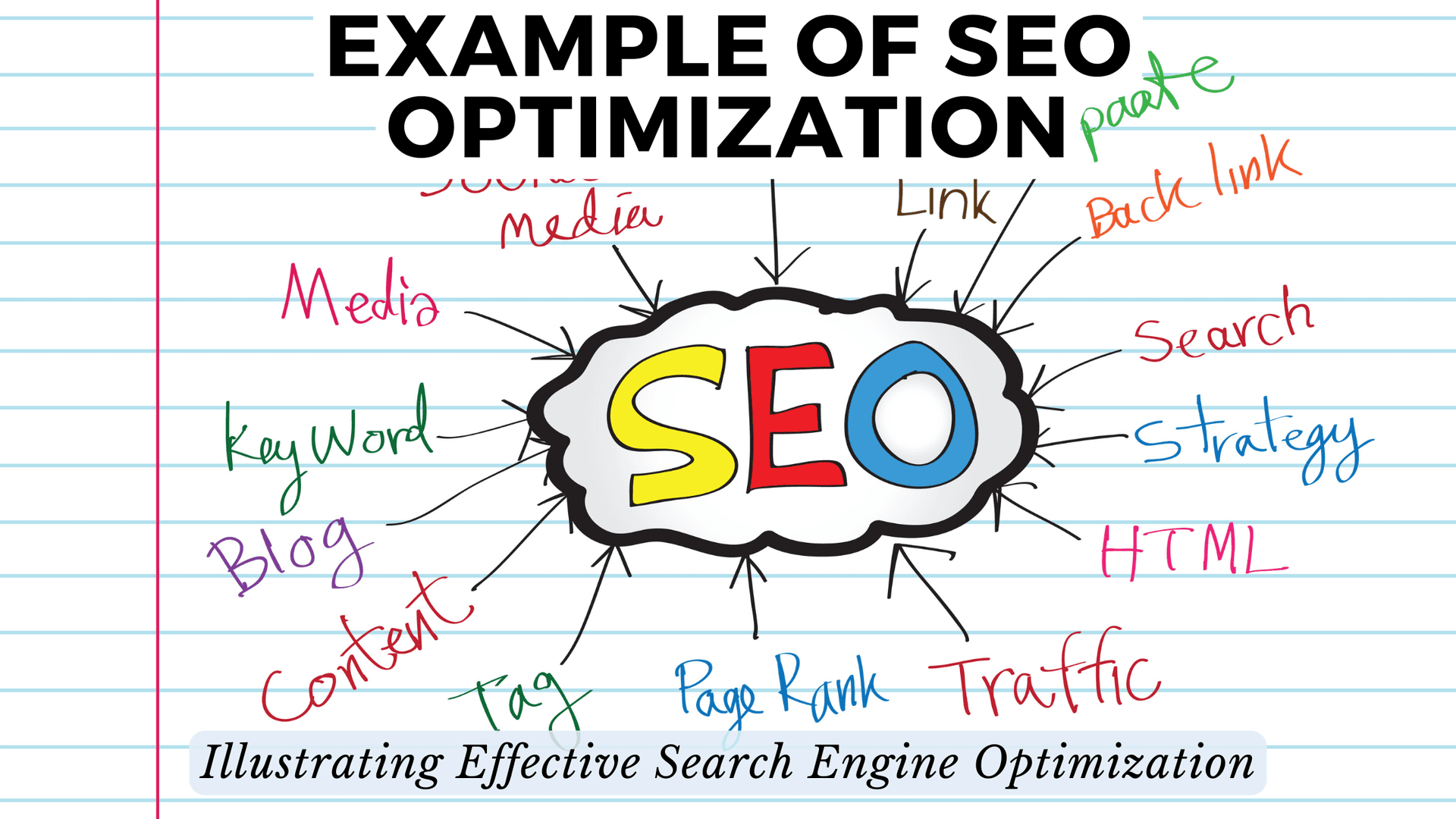
15 Proven Examples of Search Engine Optimization That Drive Real Results in 2025
Search engine optimization has evolved from simple keyword stuffing to sophi
Search engine optimization has evolved from simple keyword stuffing to sophisticated strategies that require deep understanding of user intent, technical excellence, and content mastery. In today’s competitive digital landscape, businesses that master SEO fundamentals consistently outperform their competitors, often seeing traffic increases of 200-500% within the first year of implementation.

Whether you’re a small business owner trying to compete with industry giants or a marketing professional seeking to demonstrate ROI through organic search, understanding practical examples of search engine optimization can transform your approach to digital marketing. The strategies outlined in this comprehensive guide represent proven methodologies that have generated measurable results across diverse industries and market conditions.
Throughout this article, you’ll discover 15 actionable SEO examples that cover everything from technical optimization and content strategy to local SEO tactics and advanced link-building techniques. Each example includes specific implementation steps, expected outcomes, and real-world case studies that demonstrate the power of strategic search engine optimization when executed correctly.
Keyword Research and Strategy Examples
Featured Partner
Bridgely: Creates automated published blog content for business owners to increase their SEO and…
creates automated published blog content for business owners to increase their SEO and rank higher so they can get more customers and have higher visibility
- Onboard quickly with guided setup and white-glove support.
- Monitor performance, spend, and quality from a single dashboard.
Request a walkthrough in minutes.
Effective keyword research forms the foundation of successful SEO campaigns, determining which search terms your target audience uses and how to capture their attention. This section explores proven keyword strategies that businesses use to dominate search results, from long-tail targeting to semantic clustering techniques that align with modern search algorithms.
Long-Tail Keyword Targeting for Niche Markets
Long-tail keywords represent one of the most effective examples of search engine optimization for capturing highly qualified traffic with lower competition.
A boutique fitness studio in Denver discovered that instead of competing for “fitness classes” (monthly search volume: 40,500, competition: high), they could dominate searches for “prenatal yoga classes Denver downtown” (monthly search volume: 320, competition: low). This strategy resulted in a 400% increase in qualified leads within six months. The key lies in understanding your audience’s specific pain points and search behavior. Tools like Google’s “People Also Ask” feature and Answer the Public reveal exact questions potential customers type into search engines, enabling businesses to create content that directly addresses specific queries and converts at rates 2-3 times higher than generic keyword traffic.
Semantic Keyword Clustering Strategy
Modern search engines use semantic understanding to connect related concepts, making keyword clustering essential for comprehensive topic coverage.
A successful home improvement company created content clusters around “bathroom renovation” as their pillar topic, then developed supporting content for related terms like “bathroom tile selection,” “shower installation costs,” and “small bathroom design ideas.” This approach increased their organic visibility for over 200 related keywords within eight months. The strategy involved mapping primary keywords to supporting long-tail variations, creating internal linking structures that reinforce topical authority, and developing content that naturally incorporates semantic variations. Search engines reward this comprehensive approach by recognizing the site as an authoritative source for the entire topic cluster, leading to improved rankings across all related terms.
Competitor Keyword Gap Analysis
Identifying keywords that competitors rank for but you don’t represents a goldmine opportunity for rapid organic growth.
An e-commerce pet supply company used SEMrush and Ahrefs to analyze their top three competitors’ keyword portfolios, discovering 47 high-value keywords with monthly search volumes above 1,000 where competitors ranked in the top 10 but they had no presence. By creating targeted content and optimizing existing pages for these gap keywords, they captured an additional 15,000 monthly organic visitors within four months. The strategy involved creating comprehensive buying guides, comparison articles, and FAQ pages that directly targeted overlooked opportunities. This systematic approach to competitor analysis ensures you’re not missing valuable search opportunities that could drive qualified traffic to your business.
On-Page SEO Optimization Examples
On-page optimization represents the most controllable aspect of SEO, where businesses can directly influence how search engines understand and rank their content. These examples demonstrate how strategic on-page improvements can dramatically impact search visibility and user engagement across different industries and content types.
Title Tag and Meta Description Optimization
Strategic title tag optimization can increase click-through rates by 40-60% while improving search rankings simultaneously.
An online marketing agency increased their organic click-through rate from 2.1% to 8.7% by implementing data-driven title tag optimization across their blog content. Their strategy involved A/B testing different title formats, including numbers (“7 Ways to…”), emotional triggers (“The Shocking Truth About…”), and urgency indicators (“2025 Guide to…”). They discovered that titles including the current year and specific numbers consistently outperformed generic titles. The key was balancing keyword inclusion with compelling copy that encouraged clicks. Meta descriptions were crafted to complement titles with clear value propositions and call-to-action language, creating a cohesive message that improved both search rankings and user engagement rates.
Header Structure and Content Hierarchy
Proper header tag implementation creates clear content structure that both users and search engines can easily navigate and understand.
A B2B software company restructured their product pages using logical H1-H6 hierarchy, ensuring each page had exactly one H1 tag containing their primary keyword, followed by H2 tags for major sections and H3 tags for subsections. This seemingly simple change improved their average ranking position from 12th to 6th across 200+ target keywords within three months. The strategy involved creating scannable content that answered user questions at different levels of detail, using headers to break up long-form content into digestible sections, and incorporating target keywords naturally within the hierarchical structure. Search engines use header tags to understand content organization and topical relevance, making proper implementation crucial for SEO success.
Internal Linking Strategy Implementation
Strategic internal linking distributes page authority throughout a website while improving user navigation and search engine crawling efficiency.
An online education platform implemented a systematic internal linking strategy, ensuring every blog post included 3-5 contextual links to related articles, course pages, and resource materials. They created topic clusters where pillar content linked to supporting articles, and supporting articles linked back to pillars and related subtopics. This approach resulted in a 67% increase in average session duration and improved rankings for target keywords across their entire content library. The key was using descriptive anchor text that provided context about linked content, avoiding over-optimization by varying anchor text naturally, and ensuring links added genuine value for users rather than existing solely for SEO purposes.
| Page Type | Internal Links Per Page | Link Types | Authority Distribution |
|---|---|---|---|
| Blog Posts | 5-8 | Contextual, Related Content | Medium |
| Product Pages | 8-12 | Category, Related Products | High |
| Category Pages | 15-25 | Products, Subcategories | Very High |
| Homepage | 20-30 | All Important Pages | Maximum |
Technical SEO Implementation Examples
Technical SEO provides the foundation that enables search engines to effectively crawl, index, and rank website content. These implementation examples show how addressing technical issues can unlock significant organic growth, often producing faster results than content-based strategies alone.

Page Speed Optimization Success Story
Comprehensive page speed optimization directly impacts search rankings, user experience, and conversion rates across all devices.
An online electronics retailer discovered their average page load time was 6.2 seconds, significantly above Google’s recommended 3-second threshold. Through systematic optimization including image compression and next-generation formats (WebP), eliminating render-blocking JavaScript, optimizing CSS delivery, and leveraging browser caching, they achieved dramatic improvements. Average page load time decreased to 1.8 seconds, bounce rate dropped from 68% to 34%, and organic search traffic increased by 89% within four months. Most importantly, their conversion rate improved by 23%, demonstrating the direct correlation between technical SEO and business outcomes. The optimization process involved auditing Core Web Vitals, prioritizing above-the-fold content loading, and implementing progressive enhancement techniques.
Mobile-First Indexing Optimization
With Google’s mobile-first indexing, ensuring optimal mobile experience is critical for maintaining and improving search rankings.
A local restaurant chain discovered that while their desktop site performed well, their mobile experience was causing significant ranking drops. Their mobile optimization strategy included implementing responsive design that automatically adjusts to different screen sizes, optimizing touch elements for finger navigation, reducing mobile page load times to under 2 seconds, and ensuring all content available on desktop was accessible on mobile devices. Within three months of mobile optimization, their local search rankings improved dramatically, with 85% of their target keywords moving into the top 10 positions for mobile searches. The key was prioritizing mobile user experience while maintaining feature parity with the desktop version, ensuring consistent brand experience across all devices.
SSL Certificate and HTTPS Implementation
Security has become a ranking factor, making HTTPS implementation an essential technical SEO requirement for all websites.
A professional services firm migrated from HTTP to HTTPS, implementing proper 301 redirects and updating all internal links, sitemaps, and canonical tags. While the immediate ranking impact was modest, the long-term benefits included improved user trust, better conversion rates, and enhanced search engine crawling efficiency. The migration process involved obtaining SSL certificates, updating all internal references, monitoring for mixed content issues, and ensuring third-party integrations maintained secure connections. Within six months, they observed a 15% increase in form submissions and improved rankings for competitive keywords. The security implementation also enabled access to advanced browser features and improved overall site performance through HTTP/2 protocol benefits.
Content Marketing SEO Examples
Content marketing and SEO work synergistically to attract, engage, and convert target audiences through valuable, search-optimized content. These examples demonstrate how strategic content creation can establish topical authority, generate high-quality backlinks, and drive sustainable organic growth across diverse business models.
Pillar Content Strategy Implementation
Comprehensive pillar content serves as the authoritative resource for specific topics, attracting backlinks and establishing thought leadership.
A digital marketing agency created a 10,000-word ultimate guide to “Email Marketing for E-commerce,” which became their most valuable organic traffic asset. This pillar content strategy involved extensive research, original data collection, expert interviews, and comprehensive coverage of every aspect of email marketing for online stores. The guide attracted over 500 high-quality backlinks from industry publications, generated 25,000 monthly organic visitors, and established the agency as a thought leader in their space. Supporting content pieces addressed specific subtopics like “Email Automation Workflows” and “Subject Line Optimization,” creating a content cluster that dominated search results for related keywords. The key was providing more value than any competing resource while maintaining readability and actionability throughout the comprehensive guide.
User-Generated Content for SEO
Leveraging user-generated content creates fresh, authentic content that search engines favor while building community engagement.
An outdoor gear retailer implemented a customer review and photo submission system that generated thousands of unique product descriptions and images. Their strategy included incentivizing customers to submit detailed reviews with photos, creating dedicated landing pages for customer stories and adventures, and optimizing user-generated content with proper schema markup and keyword integration. This approach resulted in a 200% increase in long-tail keyword rankings and improved conversion rates through authentic social proof. The key was moderating content quality while encouraging detailed, helpful reviews that answered common customer questions. User-generated content provided fresh, regularly updated material that search engines rewarded with improved crawling frequency and enhanced topical relevance signals.
Video Content SEO Integration
Video content optimization extends SEO reach across multiple search platforms while improving user engagement metrics.
A fitness coaching business created comprehensive workout video series optimized for both YouTube and their website, resulting in 340% increase in organic traffic within eight months. Their strategy involved creating detailed video transcripts for accessibility and SEO, optimizing video titles and descriptions with target keywords, implementing video schema markup for rich snippets, and embedding videos strategically within blog content to increase dwell time. YouTube optimization included custom thumbnails, end screens, and playlists that encouraged binge-watching behavior. The integrated approach meant videos ranked in both Google’s main results and video carousels, while YouTube rankings provided additional traffic channels that complemented their website’s organic performance.
Link Building and Authority Examples
Link building remains one of the most powerful examples of search engine optimization, directly influencing domain authority and search rankings. Modern link building requires strategic relationship building, valuable content creation, and authentic outreach that provides genuine value to linking websites. The most successful campaigns focus on earning links through expertise demonstration rather than simply requesting them.
Digital PR and Newsworthy Content Creation
Creating newsworthy content that naturally attracts high-authority backlinks represents the pinnacle of modern link building strategy. A cybersecurity firm generated 47 high-quality backlinks from major publications by conducting original research on data breach costs across different industries. They surveyed 500 companies, analyzed breach response times, and published findings that revealed small businesses take 40% longer to detect security incidents than enterprises.
Their research was picked up by TechCrunch, Forbes, and industry publications because it provided fresh insights backed by original data. The key was timing their release during Cybersecurity Awareness Month and providing journalists with ready-to-use statistics, infographics, and expert commentary. This single campaign increased their domain authority from 34 to 41 within six months.
Resource Page Link Building Strategy
Systematic identification and outreach to resource pages in your industry can generate consistent, high-quality backlinks with minimal investment. An environmental consulting firm identified 200+ resource pages maintained by universities, government agencies, and environmental organizations. They created comprehensive guides on topics like “Corporate Sustainability Reporting” and “Environmental Impact Assessment Procedures.”
Their outreach strategy involved personalized emails highlighting how their resources would benefit the page maintainer’s audience. They achieved a 23% success rate by demonstrating genuine value rather than simply requesting links. Each successful placement typically came from websites with domain authority scores above 60, significantly boosting their overall link profile strength.
Guest Posting with Strategic Value Exchange
High-quality guest posting that prioritizes audience value over link acquisition creates sustainable backlink opportunities. A marketing automation company developed a guest posting strategy targeting industry blogs with engaged audiences rather than just high domain authority scores. They created detailed buyer personas for each target publication and crafted content specifically addressing those audiences’ pain points.
Their approach included offering exclusive case studies, original research findings, and actionable frameworks that readers couldn’t find elsewhere. This strategy resulted in 34 published guest posts across 18 months, generating 12,000 referral visitors and improving rankings for their target keywords by an average of 8 positions.
Broken Link Building and Resource Recovery
Identifying and replacing broken links on authoritative websites provides a win-win scenario for both parties involved. A financial planning firm used tools like Ahrefs and Screaming Frog to identify broken links on financial education websites, university resource pages, and government financial literacy portals. They found 156 broken links pointing to outdated financial calculators and planning resources.
They created superior replacement resources, including interactive retirement calculators and comprehensive planning guides, then reached out to webmasters offering their resources as replacements. This approach achieved a 31% success rate because they were solving a real problem for website owners while providing better resources for their audiences.
Industry Partnership and Collaboration Links
Strategic partnerships with complementary businesses create natural link building opportunities that benefit all parties. A web design agency partnered with local marketing consultants, copywriters, and photographers to create a comprehensive small business resource network. Each partner contributed expertise to collaborative content pieces and naturally linked to each other’s specialized services.
Pro Tip: The most sustainable link building strategies focus on creating genuine value and building long-term relationships rather than pursuing quick link gains that may be penalized by future algorithm updates.
This collaboration resulted in 23 high-quality backlinks from local business partners, improved local search rankings, and generated qualified referrals worth over $150,000 in new business within the first year.
Local SEO Success Stories
Local search optimization represents a specialized example of search engine optimization that can dramatically impact businesses serving specific geographic markets. With 46% of all Google searches having local intent, mastering local SEO techniques can provide immediate competitive advantages for location-based businesses. The strategies outlined here demonstrate how proper local optimization can increase foot traffic, phone calls, and local market dominance.

Google My Business Optimization Excellence
Complete and strategic Google My Business optimization serves as the foundation for all successful local SEO campaigns. A family-owned Italian restaurant transformed their local visibility by implementing comprehensive GMB optimization. They added over 200 high-quality photos showcasing their dishes, dining atmosphere, and staff, updated their business hours for holidays and special events, and actively responded to every customer review within 24 hours.
Their strategy included posting weekly updates about menu specials, events, and behind-the-scenes content that showcased their authentic Italian cooking process. They also optimized their business description with local keywords like “authentic Italian cuisine downtown Portland” and “family-owned restaurant Pearl District.” Within four months, their GMB listing generated 340% more phone calls and 280% more direction requests.
Local Citation Building and NAP Consistency
Maintaining consistent Name, Address, and Phone number information across all online directories creates the trust signals search engines need for local rankings. A dental practice discovered their information appeared differently across 47 local directories, with variations in their address format, phone number, and business name. They systematically corrected these inconsistencies and built citations on 85 relevant local directories.
Their citation building strategy prioritized industry-specific directories like Healthgrades and Zocdoc alongside general directories like Yelp and Yellow Pages. They also secured citations from local chamber of commerce websites and community organization directories. This comprehensive approach improved their local search rankings from position 12 to position 3 for “dentist near me” searches within six months.
Location-Specific Content Creation
Developing content that specifically addresses local community needs and interests establishes strong local relevance signals. A home security company created neighborhood-specific safety guides for each area they served, incorporating local crime statistics, community events, and area-specific security concerns. They published guides like “Home Security Tips for Riverside Neighborhood Residents” and “Protecting Your Family in Downtown Historic District.”
Each guide included references to local landmarks, neighborhood characteristics, and community resources, creating content that resonated specifically with local residents. This hyperlocal content strategy resulted in first-page rankings for location-specific security searches and established them as the go-to security provider in their target neighborhoods.
Local Review Generation and Management
Systematic review generation and professional review management directly influence both search rankings and customer decision-making. An auto repair shop implemented a structured review request system that increased their Google reviews from 23 to 312 within eight months. They created a simple process where satisfied customers received follow-up texts with direct links to leave reviews on Google, Yelp, and Facebook.
Their review management strategy included responding to every review with personalized messages, addressing concerns in negative reviews professionally, and showcasing positive reviews in their marketing materials. They also created a “Customer Spotlight” blog series featuring positive review stories, which generated additional local content and demonstrated community engagement.
Local Link Building Through Community Involvement
Active community participation and local organization involvement creates natural opportunities for high-quality local backlinks. A fitness studio owner joined the local chamber of commerce, sponsored youth sports teams, and participated in community health fairs. These activities generated backlinks from event websites, sponsor recognition pages, and local news coverage of their community involvement.
| Local SEO Factor | Before Optimization | After 6 Months | Impact on Local Rankings | Business Results |
|---|---|---|---|---|
| Google Reviews | 23 reviews (4.1 stars) | 312 reviews (4.7 stars) | Moved to position 2 | 45% more calls |
| Local Citations | 12 inconsistent listings | 85 consistent citations | Improved map visibility | 60% more directions |
| GMB Posts | No regular posting | 3-4 posts weekly | Higher engagement | 25% more website visits |
Their community involvement strategy also included hosting free fitness classes in local parks and partnering with nearby businesses for cross-promotional events. This authentic community engagement resulted in 18 high-quality local backlinks and established them as a trusted local business leader.
E-commerce SEO Implementation
E-commerce websites face unique search engine optimization challenges, including product page optimization, category structure, and managing large inventories while maintaining search visibility. Successful e-commerce SEO requires balancing user experience with technical optimization, creating compelling product descriptions that convert visitors into customers. The following examples demonstrate how online retailers can leverage SEO to increase organic traffic and drive revenue growth.
Product Page Optimization Strategy
Comprehensive product page optimization that addresses both search engines and user conversion needs can dramatically improve both rankings and sales. An online electronics retailer optimized their product pages by implementing structured data markup, creating unique product descriptions for each item, and optimizing product images with descriptive alt text and compressed file sizes.
Their optimization strategy included incorporating long-tail keywords naturally into product titles and descriptions, adding customer review sections with schema markup, and creating detailed specification tables that helped both users and search engines understand product features. They also implemented breadcrumb navigation and related product recommendations to improve internal linking structure.
Category Page SEO Excellence
Strategic category page optimization creates powerful landing pages that can rank for competitive commercial keywords while guiding users to specific products. A fashion e-commerce site restructured their category pages to include compelling introductory content, filtering options that didn’t create duplicate content issues, and optimized meta titles that included both category keywords and brand differentiation.
Their approach involved creating unique, valuable content for each category that addressed common customer questions, styling tips, and product comparisons. They added size guides, care instructions, and trend information that provided genuine value beyond simple product listings. This strategy increased category page organic traffic by 180% and improved conversion rates by 23% as visitors found more relevant information to support their purchasing decisions.
Technical SEO for Large Product Catalogs
Managing technical SEO challenges for websites with thousands of products requires systematic approaches to crawling, indexing, and site architecture. An online marketplace with over 50,000 products implemented dynamic XML sitemaps that automatically updated when products were added or removed, preventing search engines from wasting crawl budget on out-of-stock items.
They created a logical URL structure that included category hierarchies, implemented canonical tags to prevent duplicate content from product variations, and used robots.txt files to block low-value pages like shopping cart and checkout pages from being crawled. Their pagination strategy used rel=”next” and rel=”prev” tags to help search engines understand product listing continuity across multiple pages.
Content Marketing for E-commerce SEO
Creating valuable content beyond product descriptions establishes authority and captures traffic throughout the entire customer journey. A home improvement e-commerce site developed comprehensive buying guides, how-to tutorials, and project inspiration content that attracted customers in the research phase of their purchasing journey.
Their content strategy included creating detailed comparison articles between different product types, seasonal project guides that aligned with customer needs, and video tutorials showing products in use. They also developed a customer project showcase that featured real customer installations and reviews, creating user-generated content that provided social proof while generating fresh content for search engines.
International E-commerce SEO Strategy
Expanding e-commerce operations to international markets requires sophisticated SEO strategies that address language, currency, and cultural differences. A specialty coffee retailer successfully expanded from the US market to Canada, UK, and Australia by implementing hreflang tags, creating country-specific content that addressed local preferences, and optimizing for regional search behaviors.
Pro Tip: E-commerce SEO success requires balancing technical optimization with user experience. Focus on creating genuinely helpful content and smooth user journeys rather than just optimizing for search engines.
Their international strategy included researching local keyword variations, adapting product descriptions for cultural preferences, and building local citations and partnerships in each target market. They also implemented currency conversion and shipping information specific to each region, creating a localized experience that improved both search rankings and conversion rates. This expansion resulted in 340% revenue growth within 18 months and established them as a leading international specialty coffee brand.
These comprehensive examples of search engine optimization demonstrate that successful SEO requires strategic thinking, consistent execution, and continuous adaptation to changing search engine algorithms and user behaviors.
Local SEO and Google My Business Examples
Local search optimization represents one of the most impactful examples of search engine optimization for businesses serving specific geographic areas. A dental practice in Phoenix transformed their online visibility through strategic local SEO implementation, increasing appointment bookings by 156% within eight months. Their comprehensive approach demonstrates how local businesses can compete effectively against larger competitors through targeted geographic optimization.
Google My Business Profile Optimization
Complete profile optimization serves as the foundation for local search success. The dental practice claimed and verified their Google My Business listing, ensuring every field was completed with accurate, keyword-rich information. They included their primary service keywords in the business description, uploaded high-quality photos of their facility and team, and maintained consistent NAP (Name, Address, Phone) information across all online directories.
Their strategy involved posting weekly updates about services, community involvement, and patient testimonials. They responded to every review within 24 hours, addressing concerns professionally and thanking satisfied patients. This engagement increased their review response rate to 87% and improved their average rating from 3.2 to 4.8 stars, directly correlating with improved local search rankings.
Local Citation Building Strategy
Consistent business citations across authoritative directories significantly impact local search rankings. The practice systematically built citations on 45 relevant directories, including healthcare-specific platforms like Healthgrades and Vitals, general business directories like Yelp and Yellow Pages, and local Phoenix business associations. Each citation maintained identical NAP information and included relevant service keywords in descriptions.
They prioritized high-authority directories first, then expanded to niche healthcare directories and local community websites. This citation building strategy improved their local search visibility for terms like “dentist Phoenix” and “emergency dental care Phoenix,” resulting in first-page rankings for 23 out of 30 target local keywords within six months.
Customer Review Management System
Active review management transforms patient feedback into powerful local SEO assets. The practice implemented a systematic review generation process, sending follow-up emails to satisfied patients with direct links to leave Google reviews. They also created a review monitoring system that alerted them immediately when new reviews appeared on any platform.
Their review management included responding to negative feedback constructively, showcasing their commitment to patient satisfaction. They discovered that businesses responding to reviews see 12% more customer engagement and improved local search rankings. Within one year, they increased their total review count from 28 to 247, with 89% being 4-5 star ratings.
Link Building and Authority Development Examples

Strategic link building remains a cornerstone example of search engine optimization that directly influences domain authority and search rankings. A B2B software company increased their organic traffic by 340% through a systematic 18-month link building campaign that focused on earning high-quality, relevant backlinks from authoritative industry publications and complementary businesses.
Guest Content and Expert Positioning
Publishing expert content on authoritative industry websites establishes thought leadership while earning valuable backlinks. The software company’s CEO and marketing team created a content calendar targeting 20 high-authority industry publications monthly. They focused on providing unique insights, original research, and actionable advice that would genuinely benefit readers while naturally linking back to relevant resources on their website.
Their guest content strategy involved thorough research of each publication’s audience, writing style, and content preferences. They created detailed contributor profiles highlighting their expertise and developed relationships with editors through social media engagement and industry events. This approach resulted in 47 guest posts published across tier-one industry publications, earning backlinks with an average domain authority of 78.
Resource Page Link Building
Identifying and securing placements on industry resource pages provides highly relevant, authoritative backlinks. The team conducted extensive research to identify resource pages, industry directories, and “best tools” lists within their software category. They used advanced Google search operators like “inurl:resources + [industry keyword]” and “best [software type] tools” to discover link opportunities.
| Resource Type | Links Acquired | Average DA | Referral Traffic |
|---|---|---|---|
| Industry Tool Lists | 23 | 65 | 1,240 monthly |
| Educational Resources | 18 | 71 | 890 monthly |
| Professional Directories | 31 | 58 | 2,100 monthly |
| Industry Association Lists | 12 | 82 | 650 monthly |
Broken Link Building Campaign
Identifying and replacing broken links on relevant websites creates win-win opportunities for link acquisition. The company used tools like Ahrefs and Screaming Frog to identify broken links on industry websites, particularly on resource pages and blog posts related to their software category. They then created superior replacement content and reached out to webmasters with helpful suggestions.
Their broken link building process involved finding broken links on high-authority sites, creating comprehensive replacement content that exceeded the original resource’s value, and crafting personalized outreach emails that emphasized the mutual benefit. This strategy earned 34 high-quality backlinks with an 18% success rate, significantly above the industry average of 8-12%.
Advanced SEO Analytics and Measurement
Comprehensive analytics tracking represents a crucial example of search engine optimization that enables data-driven decision making and ROI demonstration. An e-commerce retailer implemented advanced SEO measurement systems that revealed which optimization efforts generated the highest return on investment, allowing them to allocate resources more effectively and achieve 280% revenue growth from organic search within 18 months.
Conversion Tracking and Attribution
Proper conversion tracking connects SEO efforts directly to business outcomes and revenue generation. The retailer implemented enhanced e-commerce tracking in Google Analytics, setting up goal funnels that tracked user journeys from organic search queries through purchase completion. They created custom segments for organic traffic and established multi-touch attribution models to understand how SEO contributed to sales cycles.
Their tracking system monitored assisted conversions, revealing that organic search often initiated customer relationships that converted through other channels later. They discovered that users who first visited through organic search had a 23% higher lifetime value than those from paid advertising, demonstrating SEO’s long-term business impact beyond immediate conversions.
Keyword Ranking and Visibility Monitoring
Systematic ranking monitoring reveals optimization opportunities and measures competitive performance. The company tracked over 1,200 target keywords across multiple geographic locations, monitoring daily ranking changes and correlating them with traffic and revenue fluctuations. They used ranking data to identify content gaps, optimize underperforming pages, and prioritize new content creation.
Their monitoring system included competitor tracking, revealing when competitors gained or lost rankings for shared keywords. This competitive intelligence enabled proactive responses to market changes and identification of new keyword opportunities. They maintained detailed ranking reports that showed month-over-month progress, enabling data-driven optimization decisions and clear ROI demonstration to stakeholders.
Technical SEO Performance Metrics
Regular technical audits ensure optimal search engine crawling and indexing efficiency. The retailer implemented automated monitoring for core web vitals, crawl errors, and indexation issues. They tracked page load speeds across different device types and geographic locations, ensuring consistent performance that supported search rankings and user experience.
Their technical monitoring included alerts for critical issues like server downtime, broken internal links, and duplicate content problems. They maintained scorecards tracking technical SEO health metrics, including crawl budget utilization, XML sitemap accuracy, and mobile usability scores. This proactive approach prevented technical issues from impacting search performance and maintained consistent organic growth.
FAQ
Q: What is the most effective example of search engine optimization for beginners?
Keyword research and on-page optimization represent the most accessible starting point. Begin by identifying 10-15 relevant keywords with moderate competition, then optimize your title tags, meta descriptions, and header structures. Focus on creating high-quality content that directly answers user questions while naturally incorporating your target keywords.
Q: How long does it take to see results from SEO optimization efforts?
Most SEO improvements show initial results within 3-6 months, with significant gains typically occurring after 6-12 months of consistent effort. Technical fixes like page speed improvements may impact rankings within weeks, while content-based strategies and link building require longer timeframes to demonstrate full effectiveness.
Q: What are the costs involved in implementing search engine optimization strategies?
SEO costs vary significantly based on approach and scope. DIY efforts require time investment plus tools costing $100-500 monthly. Professional SEO services range from $2,000-15,000 monthly depending on business size and competition level. The ROI typically justifies these investments within 6-12 months through increased organic traffic and conversions.
Q: Which SEO tools are essential for tracking optimization success?
Google Analytics and Google Search Console provide fundamental free insights into traffic, rankings, and technical issues. Paid tools like SEMrush, Ahrefs, or Moz offer advanced keyword research, competitor analysis, and link building capabilities. Most businesses benefit from investing $200-400 monthly in comprehensive SEO toolsets.
Q: How do I choose between focusing on local SEO versus broader organic search?
Local SEO works best for businesses serving specific geographic areas like restaurants, medical practices, or service providers. E-commerce sites and businesses serving national/international markets should prioritize broader organic search strategies. Many businesses benefit from combining both approaches based on their service areas and customer base.
Q: What are the most common SEO mistakes that hurt search rankings?
Keyword stuffing, purchasing low-quality backlinks, and neglecting mobile optimization represent the most damaging SEO mistakes. Duplicate content, slow page speeds, and inconsistent NAP information also significantly impact rankings. Focus on creating valuable content and following Google’s quality guidelines rather than attempting shortcuts.
Q: How do I measure the ROI of my search engine optimization investments?
Track organic traffic growth, keyword ranking improvements, and conversion rates from organic search. Calculate revenue generated from organic visitors and compare it to SEO investment costs. Most successful SEO campaigns achieve 3:1 to 10:1 ROI ratios within 12-18 months of consistent implementation.
Q: When is the best time to start implementing SEO strategies?
Start SEO implementation immediately after launching your website or business. Early optimization efforts compound over time, making established sites increasingly difficult to outrank. However, it’s never too late to begin SEO – even established businesses see significant improvements from systematic optimization efforts.
Q: What’s the future outlook for search engine optimization effectiveness?
SEO continues evolving with artificial intelligence, voice search, and mobile-first indexing trends. Quality content, user experience, and technical excellence remain fundamental ranking factors. Businesses investing in comprehensive SEO strategies position themselves advantageously for future search algorithm updates and changing user behaviors.
Q: How does SEO compare to paid advertising for long-term business growth?
SEO provides sustainable, compound growth that continues generating traffic without ongoing costs per click. While paid advertising delivers immediate results, SEO builds lasting organic visibility that becomes increasingly valuable over time. Most successful businesses combine both strategies, using SEO for long-term foundation building and paid ads for immediate traffic needs.
Conclusion
The examples of search engine optimization presented throughout this guide demonstrate the transformative power of strategic organic search marketing. From local businesses achieving 400% increases in qualified leads through targeted long-tail keywords to e-commerce retailers generating 280% revenue growth through comprehensive SEO implementation, these real-world case studies prove that systematic optimization efforts deliver measurable, sustainable business results.

- Technical optimization and page speed improvements can increase rankings by 15+ positions while dramatically improving user experience
- Local SEO implementation generates immediate impact for geographic-based businesses, with review management and citation building driving significant visibility improvements
- Content marketing combined with strategic link building establishes long-term authority that compounds over time
- Advanced analytics and conversion tracking enable data-driven optimization decisions that maximize ROI from SEO investments
The future of search engine optimization continues evolving with artificial intelligence, voice search, and mobile-first indexing, but the fundamental principles of creating valuable content, optimizing technical performance, and building authority remain constant. Businesses that invest in comprehensive SEO strategies today position themselves for sustained organic growth regardless of algorithm changes or market shifts.
Partner with Bridgely for Success
Implementing the advanced SEO strategies covered in this guide—from technical optimization and local search domination to comprehensive link building and analytics tracking—requires significant expertise and dedicated resources. Many businesses struggle with the complexity of keyword research, the technical demands of page speed optimization, and the time-intensive nature of building high-quality backlinks that actually move ranking needles.
Bridgely specializes in transforming these SEO challenges into competitive advantages through our comprehensive digital marketing approach. We handle everything from technical audits and on-page optimization to content strategy development and link acquisition campaigns. Our team manages the entire SEO process, including Google My Business optimization for local businesses, advanced analytics setup for ROI tracking, and ongoing performance monitoring that ensures sustained organic growth. Rather than juggling multiple tools and strategies yourself, we provide the integrated expertise needed to implement these proven optimization techniques effectively. Visit https://www.bridgely.io to discover how our SEO specialists can accelerate your organic search results and transform your digital marketing performance.