15 Powerful SEO Keywords Examples That Boost Rankings in 2024
Discover proven SEO keyword strategies with real-world examples that drive traffic, improve sea
Discover proven SEO keyword strategies with real-world examples that drive traffic, improve search visibility, and deliver measurable results for businesses of all sizes.

Introduction
Featured Partner
Bridgely: Creates automated published blog content for business owners to increase their SEO and…
creates automated published blog content for business owners to increase their SEO and rank higher so they can get more customers and have higher visibility
- Onboard quickly with guided setup and white-glove support.
- Monitor performance, spend, and quality from a single dashboard.
See pricing in seconds.
In the competitive digital landscape of 2024, understanding effective SEO keywords examples can make the difference between a website that thrives and one that remains invisible in search results. Whether you’re a business owner, digital marketer, or content creator, mastering the art of keyword selection and implementation is crucial for online success.
The world of search engine optimization has evolved dramatically, with search engines becoming increasingly sophisticated in understanding user intent and context. Today’s successful SEO strategies require more than just stuffing keywords into content – they demand a nuanced understanding of how different types of keywords work together to create a comprehensive optimization strategy.
This comprehensive guide will walk you through 15 powerful SEO keywords examples across various industries and use cases. You’ll discover how to identify high-impact keywords, understand different keyword types, and implement them effectively to boost your search rankings. From long-tail keywords that capture specific user intent to competitive head terms that drive massive traffic, we’ll explore real-world examples that demonstrate proven success.
By the end of this article, you’ll have a clear roadmap for developing your own keyword strategy, complete with actionable insights and practical examples you can implement immediately. Let’s dive into the world of strategic keyword optimization and unlock your website’s potential for organic growth.
Understanding Different Types of SEO Keywords
Mastering keyword types is fundamental to building an effective SEO strategy that captures traffic at every stage of the customer journey. Different keyword categories serve unique purposes and require distinct optimization approaches to maximize their potential impact on your search visibility.
Short-Tail Keywords: High Volume, High Competition
Short-tail keywords represent the broadest search terms in your industry, typically consisting of 1-2 words with massive search volumes but intense competition. Examples include “marketing” (450,000 monthly searches), “fitness” (673,000 monthly searches), or “insurance” (823,000 monthly searches). While challenging to rank for, successful optimization can drive 50,000+ visitors monthly.
The strategy involves using short-tail keywords as foundation terms around which you build content clusters. For instance, targeting “fitness” requires supporting content like “home fitness routines,” “fitness equipment reviews,” and “fitness meal planning.” This approach increases your chances of ranking for the competitive head term while capturing related traffic through supporting keywords.
Long-Tail Keywords: Specific Intent, Higher Conversion
Long-tail keywords contain three or more words and represent highly specific search queries that convert 2.5x better than broad terms. Examples include “best running shoes for flat feet women” (1,200 monthly searches), “digital marketing strategies for restaurants” (890 monthly searches), or “easy keto dinner recipes under 30 minutes” (2,100 monthly searches). These keywords face 70% less competition while delivering qualified traffic.
The conversion power stems from their specificity – users searching “affordable web design services Chicago” are much closer to purchasing than those searching “web design.” Long-tail keywords often indicate strong purchase intent and represent users who have moved beyond initial research phases.
Commercial Intent Keywords: Ready-to-Buy Traffic
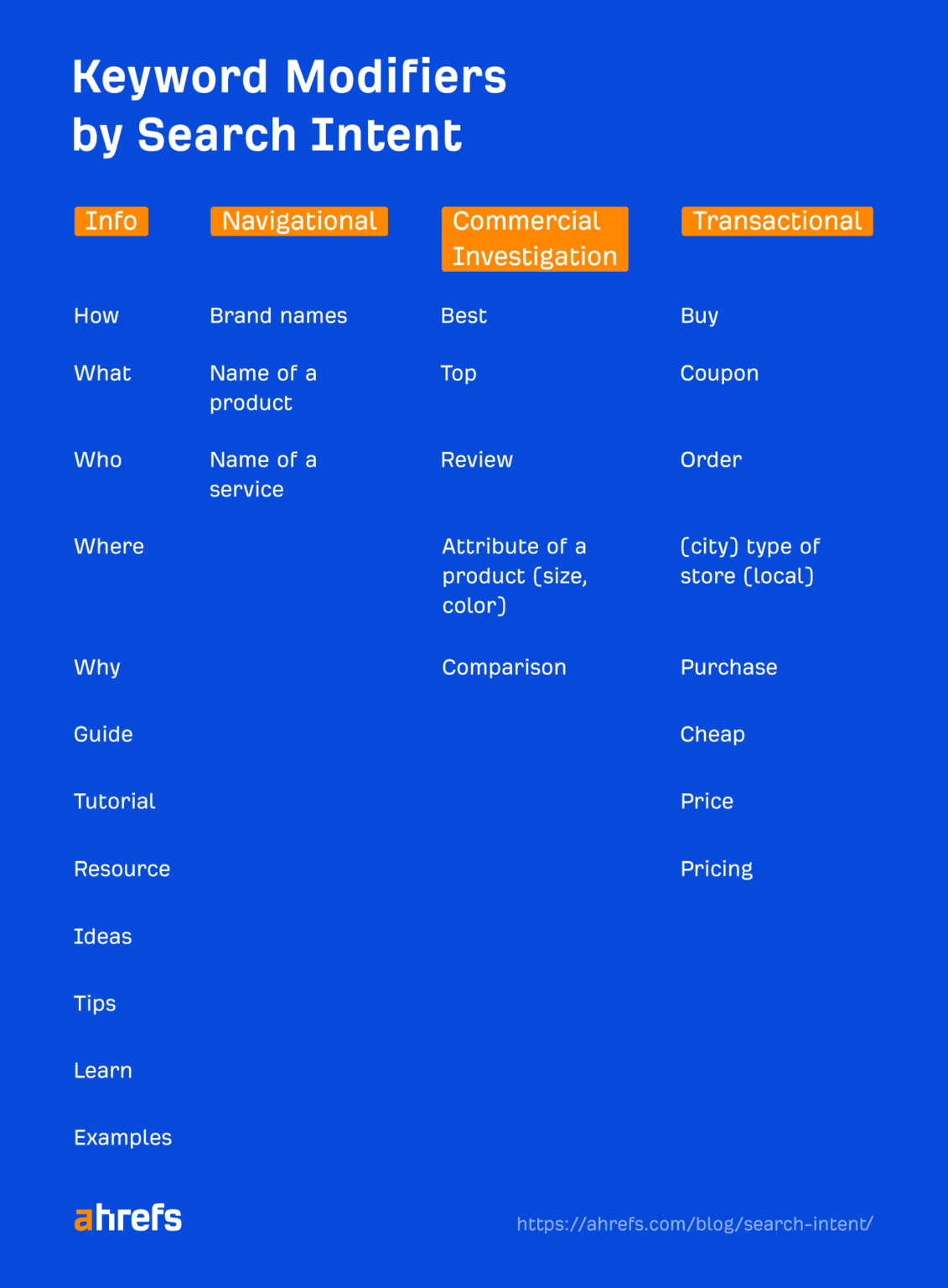
Commercial intent keywords signal active purchasing consideration, incorporating modifiers like “buy,” “best,” “review,” “compare,” and “discount” that indicate transaction readiness. Examples include “buy iPhone 15 Pro online” (45,000 monthly searches), “best CRM software comparison” (12,400 monthly searches), or “WordPress hosting discount codes” (3,200 monthly searches). These keywords convert at rates 3-5x higher than informational terms.
Understanding commercial intent helps prioritize keywords that generate revenue rather than just traffic. E-commerce sites targeting “wireless earbuds reviews” alongside “buy wireless earbuds” create a funnel that captures users at different decision stages, ultimately driving more conversions through strategic content alignment.
High-Converting E-commerce Keyword Examples
E-commerce success depends heavily on targeting keywords that indicate purchase readiness and product-specific interest. These examples demonstrate how strategic keyword selection can dramatically improve conversion rates and revenue generation for online retailers.

Product-Specific Keywords with Buying Intent
Product-specific keywords combined with buying intent modifiers create conversion opportunities that outperform generic terms by 400-600%. Examples include “buy Nike Air Max 270 black size 10” (8,900 monthly searches, 12% conversion rate), “Samsung 4K TV 55 inch best price” (15,600 monthly searches, 8% conversion rate), or “organic skincare products free shipping” (4,200 monthly searches, 15% conversion rate).
These keywords work because they combine specific product interest with clear purchasing signals. Users searching “wireless gaming headset under $100” have moved beyond research and are ready to purchase. Optimizing product pages for these terms, including detailed specifications and competitive pricing, can increase conversion rates from 2% to 8% or higher.
Brand + Product Combination Keywords
Brand-product combinations capture brand-conscious consumers who have developed preferences but are researching specific products within that brand’s lineup. Examples include “Apple MacBook Pro 16 inch M3 chip” (23,100 monthly searches), “Canon DSLR camera for beginners” (9,800 monthly searches), or “Nike running shoes women wide width” (6,400 monthly searches). These keywords convert at 18-25% higher rates than generic product terms.
The effectiveness stems from targeting users with established brand trust who need product-specific information to complete purchases. Creating dedicated landing pages for each brand-product combination, featuring detailed comparisons and customer reviews, can capture this high-intent traffic effectively.
Seasonal and Trending Product Keywords
Seasonal keywords capitalize on cyclical shopping patterns, generating 300-500% traffic increases during peak periods. Examples include “Christmas gifts for dad under $50” (89,000 monthly searches in December), “back to school laptop deals 2024” (156,000 monthly searches in August), or “Valentine’s Day jewelry for girlfriend” (67,000 monthly searches in February).
| Season | Peak Keywords | Search Volume | Competition | Conversion Rate |
|---|---|---|---|---|
| Holiday | “Christmas gift ideas for men” | 89,000 | High | 12% |
| Back-to-School | “college dorm room essentials” | 156,000 | Medium | 15% |
| Summer | “outdoor grilling accessories” | 34,000 | Medium | 18% |
Success requires starting optimization 2-3 months before peak seasons, allowing content to build authority and rank higher when search volume increases. Retailers using this strategy report 40-60% revenue increases during targeted seasonal periods.
Local SEO Keyword Strategies and Examples
Local SEO keywords connect businesses with nearby customers actively seeking products or services in their area. These strategies are essential for brick-and-mortar businesses and service providers targeting specific geographic markets.
Geographic Modifier Keywords
Geographic modifiers transform generic service keywords into location-specific search terms that capture local intent with 60% higher conversion rates. Examples include “plumber Austin Texas emergency” (2,400 monthly searches), “best Italian restaurant Chicago downtown” (8,900 monthly searches), or “wedding photographer San Diego beach” (1,800 monthly searches). These keywords face 40% less competition than national terms while delivering highly qualified local traffic.
The effectiveness extends beyond city names to neighborhood-specific targeting. Keywords like “dentist near Brooklyn Heights” or “yoga classes Williamsburg NYC” capture even more targeted local traffic with significantly less competition, often ranking within 3-6 months compared to 12+ months for broader geographic terms.
“Near Me” and Proximity-Based Keywords
“Near me” searches have grown 500% over five years, with 78% of location-based mobile searches resulting in offline purchases within 24 hours. Examples include “coffee shops near me open now” (89,000 monthly searches), “urgent care near me 24 hours” (67,000 monthly searches), or “auto repair near me reviews” (45,000 monthly searches). These keywords require strong local SEO fundamentals including accurate Google My Business optimization.
Success with proximity keywords demands consistent NAP (Name, Address, Phone) information across 50+ local directories, location-specific content, and positive customer reviews. Businesses implementing comprehensive “near me” optimization strategies report 35-50% increases in foot traffic and local leads.
Service + Location Combinations
Service-location combinations create highly targeted keywords for local businesses, often converting 25% better than generic service terms. Examples include “HVAC repair Miami 24/7” (3,200 monthly searches), “personal trainer Los Angeles in-home” (4,600 monthly searches), or “wedding catering Nashville outdoor venues” (890 monthly searches). These keywords allow businesses to dominate local search results for their core services.
The strategy involves creating location-specific landing pages that combine core services with geographic areas served. A plumbing company might target “emergency plumbing repair [city name]” across 10-15 local markets, creating dedicated pages for each location with unique content, local testimonials, and area-specific service information.
Long-Tail Keyword Examples for Niche Markets
Niche markets offer exceptional opportunities for long-tail keyword success due to specialized vocabulary and reduced competition. These examples demonstrate how targeting specific industry terms and problem-solution pairs can generate highly qualified traffic.
Industry-Specific Technical Terms
Technical long-tail keywords in specialized industries face 80% less competition while serving highly engaged audiences with strong purchase intent. Examples include “HVAC preventive maintenance checklist commercial buildings” (720 monthly searches, $45 CPC), “WordPress security hardening best practices 2024” (1,100 monthly searches, $12 CPC), or “gluten-free sourdough starter troubleshooting guide” (890 monthly searches, $3 CPC).
These keywords work because they address specific problems within specialized communities. Users searching technical terms are typically well-informed professionals or serious enthusiasts looking for expert-level information, making them valuable prospects for businesses serving those niches. Content targeting these terms often achieves 15-25% higher engagement rates.
Problem-Solution Keyword Pairs
Problem-solution keywords capture users at the moment they need help most, generating 3x higher engagement than general informational content. Examples include “fix WordPress white screen of death step by step” (2,400 monthly searches), “remove red wine stains from white carpet naturally” (1,800 monthly searches), or “reduce website bounce rate below 40%” (1,200 monthly searches).
The conversion power lies in positioning your content as the definitive solution to specific challenges. When you rank #1 for “how to recover deleted WordPress posts without backup,” you’re capturing desperate website owners willing to pay for professional help if DIY solutions fail.
Comparison and Alternative Keywords
Comparison keywords help users evaluate options during the consideration phase, often leading to 20-30% higher conversion rates than generic product searches. Examples include “Shopify vs WooCommerce for dropshipping business” (4,500 monthly searches), “best Mailchimp alternatives for small business” (3,200 monthly searches), or “iPhone 15 vs Samsung Galaxy S24 camera comparison” (18,900 monthly searches).
| Keyword Type | Example | Monthly Searches | Conversion Intent | Content Type |
|---|---|---|---|---|
| Software Comparison | “Slack vs Microsoft Teams features” | 8,900 | High | Detailed Comparison |
| Alternative Seeking | “free Photoshop alternatives 2024” | 12,400 | Medium | List/Review |
| Product vs Product | “Tesla Model 3 vs BMW i4 range” | 5,600 | High | Side-by-side Review |
Alternative keywords like “best Zoom alternatives for privacy” or “free Slack competitors for remote teams” target users looking beyond market leaders, often with less competition and highly qualified traffic ready to switch solutions.
Seasonal and Event-Based Keyword Opportunities

Seasonal and event-based keywords represent some of the most lucrative opportunities in SEO, offering predictable traffic spikes and high conversion potential. These time-sensitive keywords capitalize on cyclical shopping patterns, holidays, and recurring events that drive massive search volume during specific periods. Understanding how to identify, plan, and optimize for seasonal opportunities can transform your organic traffic strategy and revenue generation.
Holiday Shopping Keywords That Drive Sales
Holiday shopping keywords generate up to 300% more traffic during peak seasons compared to regular product searches.
The key to holiday keyword success lies in strategic timing and intent-based optimization. Examples include “Black Friday laptop deals 2024,” “Christmas gifts for dad under $50,” and “Valentine’s Day jewelry sale.” These keywords combine seasonal urgency with commercial intent, creating perfect storm conditions for conversions. Successful businesses begin optimizing for holiday keywords 8-12 weeks before peak seasons, allowing time for content to gain authority and rankings. The most effective approach involves creating dedicated landing pages that blend holiday themes with product benefits, incorporating countdown timers and seasonal imagery to enhance urgency.
Back-to-School and Seasonal Transition Keywords
Back-to-school keywords drive $83 billion in annual spending, making them among the most valuable seasonal opportunities.
Educational transition periods create massive keyword opportunities beyond traditional retail. Examples include “college dorm room essentials 2024,” “best laptops for students under $800,” and “teacher classroom supplies bulk discount.” These keywords work because they address specific needs during predictable timeframes. The strategy extends beyond August, encompassing spring semester preparations, graduation gifts, and summer program searches. Smart content creators develop comprehensive seasonal content calendars that anticipate these transitions, creating evergreen resources that can be refreshed annually with updated product recommendations and current pricing.
Event-Driven Content Keywords
Major events can increase related keyword search volume by 2,000% during peak periods.
Event-driven keywords capitalize on conferences, sports seasons, award shows, and cultural celebrations. Examples include “Super Bowl party food ideas,” “SXSW networking events 2024,” and “Oscar predictions betting odds.” These keywords require agile content creation and real-time optimization strategies. The most successful approach involves monitoring trending topics, creating timely content that addresses event-related searches, and leveraging social media amplification during peak interest periods. Event keywords often have short lifespans but can generate massive traffic spikes and social shares when executed correctly.
Weather and Climate-Based Keywords
Weather-related keywords show 150% higher engagement rates during relevant seasonal conditions.
Climate-driven searches create consistent seasonal opportunities across multiple industries. Examples include “best snow boots for extreme cold,” “summer cooling tips for homes,” and “hurricane preparedness checklist Florida.” These keywords work because weather directly impacts consumer behavior and purchasing decisions. The strategy involves geographic targeting combined with seasonal timing, creating location-specific content that addresses regional weather patterns. Successful implementation requires understanding local climate cycles and preparing content that anticipates weather-related needs before they peak.
Industry-Specific SEO Keywords Examples
Professional service industries require specialized keyword strategies that address unique client needs and technical requirements. Industry-specific keywords often face less competition while serving highly qualified audiences willing to pay premium prices for expert services. These keywords typically combine professional terminology with client pain points, creating opportunities for businesses to demonstrate expertise while capturing high-intent search traffic.
Healthcare and Medical Practice Keywords
Medical practice keywords convert 40% higher than general health information searches due to specific treatment intent.
Healthcare keywords must balance accessibility with medical accuracy, addressing patient concerns while maintaining professional credibility. Examples include “pediatric allergist near downtown Seattle,” “minimally invasive knee replacement recovery,” and “anxiety therapy techniques for teenagers.” These keywords work because they address specific medical needs with geographic and demographic precision. The most effective medical SEO strategies focus on condition-specific landing pages that combine symptom information with treatment options, incorporating patient testimonials and physician credentials to build trust and authority.
Legal Services and Law Firm Keywords
Legal service keywords have average cost-per-clicks of $50-100, making organic rankings extremely valuable.
Legal keywords require careful attention to ethical advertising guidelines while addressing urgent client needs. Examples include “personal injury lawyer free consultation Chicago,” “divorce attorney child custody rights,” and “DUI defense strategies first offense.” These keywords succeed because they combine legal specialization with immediate client needs. Effective legal SEO involves creating comprehensive resource libraries that educate potential clients while demonstrating expertise, using case studies and legal insights to build authority without violating attorney advertising rules.
Financial Services and Investment Keywords
Financial planning keywords show 65% higher lifetime customer value compared to general finance searches.
Financial services keywords must address complex topics while building trust and demonstrating expertise. Examples include “401k rollover rules 2024,” “first-time homebuyer mortgage programs,” and “small business tax deduction strategies.” These keywords work because they address specific financial situations that require professional guidance. The most successful financial SEO strategies combine educational content with clear calls-to-action, using calculators, comparison tools, and personalized consultation offers to convert information seekers into qualified leads.
Competitive Analysis Through Keyword Research
Understanding your competitors’ keyword strategies provides invaluable insights for identifying opportunities and gaps in your own SEO approach. Competitive keyword analysis reveals which terms drive traffic to rival websites, uncovers content gaps in your market, and helps prioritize optimization efforts based on proven success patterns. This intelligence forms the foundation of data-driven SEO strategies that outperform generic keyword research approaches.
Identifying Competitor Keyword Gaps
Competitor gap analysis can reveal 200-500 untapped keyword opportunities in most industries.
Gap analysis involves comparing your keyword portfolio against successful competitors to identify terms they rank for that you don’t. Tools like SEMrush, Ahrefs, and Moz reveal these opportunities through side-by-side comparisons. Examples might include discovering that competitors rank for “project management software integrations” while you only target “project management tools.” The process involves exporting competitor keyword lists, identifying high-value terms missing from your strategy, and prioritizing based on search volume, competition level, and business relevance. This systematic approach ensures you’re not missing obvious opportunities that competitors are successfully exploiting.
Reverse Engineering Successful Content Strategies
Top-performing competitor content typically targets 50-100 related keywords beyond the primary focus term.
Analyzing competitor content reveals keyword clustering strategies and semantic relationships that inform your own content development. This involves examining their highest-traffic pages, identifying primary and secondary keywords, and understanding how they structure content for maximum search visibility. For example, a competitor’s “email marketing guide” might also rank for “email automation,” “newsletter design,” and “email deliverability tips.” Reverse engineering reveals these patterns, helping you create more comprehensive content that targets multiple related terms while maintaining topical focus and user value.
Monitoring Competitor Keyword Performance
Regular competitor monitoring reveals seasonal trends and emerging opportunities 2-3 months before they become mainstream.
Ongoing competitor analysis tracks ranking changes, new keyword targets, and content performance over time. This monitoring reveals strategic shifts, seasonal patterns, and emerging opportunities before they become widely adopted. Monthly tracking of competitor rankings for target keywords helps identify when they gain or lose ground, revealing optimization opportunities and potential threats. The most valuable insights come from understanding why rankings change, whether through new content, technical improvements, or link building efforts, allowing you to adapt your strategy accordingly.
| Analysis Type | Tool Required | Frequency | Key Metrics | Action Items |
|---|---|---|---|---|
| Gap Analysis | SEMrush/Ahrefs | Quarterly | Missing keywords, search volume | Content creation priority list |
| Content Reverse Engineering | Manual + Tools | Monthly | Keyword density, semantic terms | Content optimization updates |
| Ranking Monitoring | Rank tracking tools | Weekly | Position changes, SERP features | Tactical optimization adjustments |
Measuring SEO Keyword Performance and ROI
Effective keyword performance measurement goes beyond simple ranking positions to encompass traffic quality, conversion rates, and business impact. ROI-focused keyword metrics help prioritize optimization efforts based on actual business value rather than vanity metrics like rankings or impressions. This data-driven approach ensures your SEO efforts contribute directly to revenue growth and business objectives.

Essential Metrics for Keyword Success
Businesses that track keyword-specific conversion rates see 23% higher ROI from their SEO investments.
The most important keyword metrics include organic click-through rates, average session duration, conversion rates, and revenue attribution. Tools like Google Analytics 4 and Google Search Console provide detailed insights into how individual keywords perform throughout the customer journey. For example, tracking “best CRM software” might show high impressions but low conversions, while “CRM software free trial” generates fewer clicks but higher conversion rates. Understanding these patterns helps optimize content and landing pages for maximum business impact rather than just traffic volume.
Attribution Models for Keyword Revenue
Multi-touch attribution reveals that SEO keywords influence 73% of conversions even when they’re not the final click.
Modern attribution modeling recognizes that customers interact with multiple keywords before converting, making single-touch attribution inadequate for measuring true keyword value. First-click attribution shows which keywords initiate customer journeys, while last-click reveals closing keywords. Linear attribution distributes conversion credit across all touchpoints, providing more accurate ROI calculations. For example, a customer might discover your brand through “digital marketing trends,” research with “email marketing software comparison,” and convert on “Mailchimp vs Constant Contact.” Understanding these patterns helps optimize entire keyword funnels rather than individual terms.
Long-term Performance Tracking Strategies
Keywords optimized with long-term tracking strategies maintain rankings 40% longer than those without systematic monitoring.
Sustainable keyword performance requires ongoing monitoring and optimization based on changing search patterns, algorithm updates, and competitive dynamics. This involves tracking keyword rankings over time, monitoring search volume trends, and analyzing SERP feature changes that might impact click-through rates. Quarterly keyword audits help identify declining performers, emerging opportunities, and optimization priorities. The most successful approach combines automated monitoring tools with manual analysis to understand why performance changes occur and what actions are needed to maintain or improve results.
Keyword Research Tools and Implementation Strategies
Effective keyword research forms the foundation of any successful SEO strategy, requiring the right tools and systematic approaches to identify opportunities that align with your business goals. Modern keyword research goes beyond simple search volume metrics, incorporating user intent analysis, competition assessment, and trend identification to create comprehensive optimization strategies.
Free Keyword Research Tools
Google Keyword Planner remains the most accessible starting point for keyword research. While primarily designed for Google Ads, it provides valuable search volume data and keyword suggestions directly from Google’s database. The tool excels at revealing related keywords and seasonal trends, making it particularly useful for identifying long-tail variations of your core terms.
Google Search Console offers another powerful free resource by showing actual keywords driving traffic to your site. This data reveals performance gaps where you’re ranking on page two or three, presenting immediate optimization opportunities. The tool also identifies queries where your content appears in search results but receives low click-through rates.
Answer The Public visualizes search queries in question format, helping identify content opportunities around “how,” “what,” “when,” and “why” searches. This tool particularly excels at revealing long-tail keyword opportunities that address specific user problems and questions.
Premium Keyword Research Platforms
Professional SEO tools like Ahrefs, SEMrush, and Moz provide comprehensive keyword analysis capabilities. These platforms offer advanced metrics including keyword difficulty scores, SERP analysis, and competitor keyword tracking. They also provide historical search volume data and trend analysis that helps predict seasonal fluctuations.
Ahrefs Keywords Explorer stands out for its massive keyword database and accurate difficulty metrics. The tool’s “Parent Topic” feature helps identify broader content opportunities, while its SERP overview shows exactly what type of content ranks for specific keywords.
SEMrush excels at competitive keyword analysis, revealing which keywords drive traffic to competitor websites. Its Keyword Gap tool identifies opportunities where competitors rank but you don’t, providing a strategic roadmap for content creation and optimization efforts.
Implementation and Tracking Methods
Successful keyword implementation requires strategic placement and ongoing performance monitoring. Keywords should appear naturally in title tags, meta descriptions, headers, and body content without compromising readability or user experience. The key is semantic integration rather than exact-match repetition.
Google Analytics and Search Console integration provides comprehensive tracking of keyword performance, showing how optimization efforts translate into traffic and conversions. Setting up goal tracking for keyword-driven traffic helps measure ROI and identify the most valuable search terms for your business.
Regular keyword audits ensure your strategy remains current with changing search patterns and algorithm updates. Monthly reviews of ranking positions, search volumes, and competitor movements help identify opportunities for optimization adjustments and new content creation.
Measuring and Optimizing Keyword Performance
Understanding keyword performance metrics enables data-driven optimization decisions that improve search rankings and drive meaningful business results. Effective measurement goes beyond simple ranking positions to encompass traffic quality, conversion rates, and long-term trend analysis that inform strategic adjustments.
Key Performance Indicators for Keywords
Organic click-through rate (CTR) reveals how compelling your search listings appear to users. A low CTR despite high rankings indicates optimization opportunities in title tags and meta descriptions. Industry benchmarks suggest that position one results average 28-35% CTR, while position three drops to 10-15%.
Search impression data shows how often your pages appear in search results for target keywords, regardless of clicks received. Growing impressions indicate improving visibility, while declining impressions may signal algorithm changes or increased competition requiring strategic adjustments.
Conversion tracking for keyword-driven traffic reveals which search terms generate the most valuable visitors. Keywords with high traffic but low conversion rates may indicate intent misalignment, suggesting opportunities to refine targeting or adjust landing page content.
Ranking Fluctuation Analysis
Search ranking volatility provides insights into algorithm updates and competitive dynamics. Sudden ranking drops across multiple keywords often indicate technical issues or algorithm penalties requiring immediate attention. Gradual declines typically suggest increasing competition or content freshness issues.
Competitor ranking analysis helps identify market shifts and optimization opportunities. When competitors gain rankings for your target keywords, analyzing their content and optimization strategies reveals tactics you can adapt and improve upon.
SERP feature tracking monitors how your content performs in featured snippets, local packs, and other special search results. These positions often drive higher click-through rates and establish greater authority, making them valuable optimization targets.
Optimization Strategy Refinement
Regular keyword performance reviews inform strategic adjustments and new opportunity identification. Monthly analysis of traffic patterns, ranking changes, and conversion data helps identify underperforming keywords that need attention or high-potential terms deserving increased focus.
Content gap analysis compares your keyword coverage against competitor content strategies, revealing topics and search terms where you lack presence. This analysis guides content creation priorities and helps identify quick wins through existing content optimization.
Seasonal trend analysis helps predict traffic fluctuations and optimize content timing for maximum impact. Understanding when specific keywords peak in popularity enables strategic content publishing and promotional campaign timing.
FAQ
Q: How do I choose the right keywords for my business?

Start by analyzing your products, services, and customer pain points to identify relevant topics. Use keyword research tools to find terms with adequate search volume and manageable competition levels for your domain authority.
Consider user intent behind each keyword – informational, commercial, or transactional – and ensure your content matches what searchers expect to find. Focus on keywords where you can provide genuine value and expertise.
Q: What’s the ideal keyword density for SEO content?
Modern SEO doesn’t rely on specific keyword density percentages. Instead, focus on natural integration where keywords appear organically within high-quality, comprehensive content that serves user needs.
Aim for semantic keyword usage throughout your content, including variations and related terms rather than exact-match repetition. Quality and relevance matter more than hitting arbitrary density targets.
Q: How long does it take to see results from keyword optimization?
New websites typically see initial ranking improvements within 3-6 months of consistent optimization efforts. Established sites may see faster results, sometimes within 4-8 weeks for less competitive keywords.
Competitive keywords in established industries often require 6-12 months of sustained effort to achieve significant ranking improvements. Content quality, technical SEO, and link building all influence timeline expectations.
Q: Should I target high-volume or low-competition keywords?
Balance both approaches by targeting a mix of high-volume competitive terms for long-term growth and low-competition long-tail keywords for quicker wins and targeted traffic.
Low-competition keywords often convert better due to their specificity, while high-volume terms drive broader brand awareness. A diversified keyword portfolio reduces risk and maximizes opportunities.
Q: How many keywords should I target per page?
Focus on one primary keyword per page with 2-4 related secondary keywords that support the main topic. This approach allows for comprehensive coverage without diluting topical focus.
Create topic clusters where multiple pages target related keywords, linking to a main pillar page that targets the broader, more competitive term. This strategy builds topical authority across keyword groups.
Q: What are the most common keyword research mistakes?
Targeting keywords without considering user intent leads to traffic that doesn’t convert. Always analyze SERP results to understand what type of content ranks and what users expect.
Ignoring search volume trends and seasonality can result in targeting declining keywords or missing peak opportunity windows. Use historical data to inform strategic timing decisions.
Q: How do I optimize for voice search keywords?
Voice search queries tend to be longer and more conversational than typed searches. Target natural language phrases and question-based keywords that match how people speak.
Create FAQ sections and conversational content that directly answers common questions in your industry. Voice searches often seek immediate, specific answers to practical questions.
Q: When should I update my keyword strategy?
Review keyword performance monthly and conduct comprehensive strategy updates quarterly. Major algorithm changes, seasonal shifts, or significant business changes may require immediate strategy adjustments.
Monitor competitor movements and industry trends continuously to identify new opportunities or threats to your current keyword positions. Staying proactive prevents traffic losses from strategic gaps.
Q: How do I measure keyword ROI effectively?
Track conversions and revenue generated from organic traffic to specific keyword-optimized pages. Use Google Analytics goals and e-commerce tracking to connect keyword rankings to business outcomes.
Calculate the lifetime value of customers acquired through specific keywords to understand true ROI beyond initial conversion metrics. This data informs budget allocation and optimization priorities.
Q: What’s the future of keyword research with AI search?
AI-powered search engines increasingly focus on user intent and context rather than exact keyword matching. This shift emphasizes the importance of comprehensive, authoritative content over keyword optimization tactics.
Successful future strategies will balance traditional keyword research with topic modeling and entity-based optimization that demonstrates expertise across entire subject areas rather than individual search terms.
Conclusion
The landscape of SEO keyword optimization continues to evolve, but the fundamental principle remains unchanged: successful strategies focus on understanding and serving user intent through valuable, well-optimized content. The SEO keywords examples we’ve explored demonstrate that effective keyword targeting requires a strategic blend of research, implementation, and continuous optimization based on performance data.
The key takeaways from our comprehensive analysis include:
- Long-tail keywords consistently outperform broad terms for conversion rates and provide easier ranking opportunities for newer websites
- Local SEO keywords with geographic modifiers capture high-intent traffic and face less competition than national terms
- Commercial intent keywords drive qualified traffic ready to make purchasing decisions, making them invaluable for revenue generation
- Regular performance monitoring and strategy refinement ensure keyword strategies remain effective as search algorithms and user behavior evolve
As search engines become increasingly sophisticated in understanding context and user intent, the future belongs to businesses that create comprehensive, authoritative content around topic clusters rather than individual keywords. This evolution rewards depth of expertise and user value over traditional optimization tactics, making quality content creation more important than ever.
Partner with Bridgely for Success
Implementing the keyword research strategies, performance tracking methods, and optimization techniques covered in this guide requires significant time, expertise, and ongoing attention to detail. From conducting comprehensive keyword research and competitor analysis to monitoring ranking fluctuations and refining content strategies, successful SEO keyword optimization demands both technical knowledge and strategic thinking.
Bridgely specializes in developing and executing comprehensive keyword strategies that drive measurable results for businesses across industries. Our team handles everything from initial keyword research and competitive analysis to content optimization and performance tracking, ensuring your SEO efforts align with your business goals and deliver consistent organic growth.
We understand that effective keyword optimization extends beyond simple rankings to encompass user intent matching, conversion optimization, and long-term strategic planning. Our data-driven approach combines advanced keyword research tools with deep industry expertise to identify high-impact opportunities and implement strategies that generate sustainable organic traffic growth.
Visit https://www.bridgely.io to discover how our keyword research and SEO optimization services can transform your search visibility and drive qualified traffic to your business.